
Today’s post is Part III of the “Saving Money in the Kitchen” series that began Tuesday. You can read Part I here and Part II here.
I had planned to cover points four through nine today, but I’ll focus on four and five for now. Between the tips, the recipe and the giveaway there’s too much to fit comfortably into one post—and my iron is low and I’m sleepy. So I’ll save the rest for Monday. There’s a giveaway at the end of this post, and a recipe too.
Let’s take a closer look at practical ways to save money in the kitchen.
Plan your meals and make the most of what you already have before you shop.
Good meal planning starts with three important steps:
- Decide how many days ahead you’ll plan. Start small—four days to a week is manageable. Planning too far ahead led me to waste money and food when my tastes changed mid-plan. A shorter planning window reduces waste and keeps meals appealing.
- Inventory your fridge, pantry and cabinets. Note what you already have, then compare that list to your family’s favorite meals. If you already own most ingredients for certain meals, schedule those for the upcoming days.
- Account for all meals and snacks. Don’t forget breakfasts, lunches and snacks. I’ve learned the hard way that skipping snacks leads to emergency runs to the store and impulse buys. Planning snacks in advance makes it easier to choose healthier, budget-friendly options like carrot sticks or crackers with yogurt dill dip instead of chips and dip.
Once you’ve chosen meals for the next few days, think about logistics:
- Note evenings or weekends with limited time and plan quicker meals for those days. Be realistic—don’t schedule a two-hour meal on a night you’ll be exhausted.
- Identify steps that must be completed one or two days ahead and mark them on your schedule.
- If you pack lunches, prepare them the night before so mornings are less hectic.
Know what you need beyond what you already have.
For example, if you plan broiled salmon with soba noodles, ginger-scallion sauce and cucumber salad and you already have salmon and noodles but lack ginger, scallions and cucumbers, add those to your shopping list. To make this easier, keep a standardized grocery list template where you can quickly jot down items as you run out or as you think of them.
A simple list divided into sections—Produce, Grocery (shelf-stable items like pasta, canned tomatoes, flour), Dairy/Frozen, Meat/Deli, and Household/Miscellaneous—works well. Keep this list on the fridge or inside a cabinet with a pencil handy so everyone in the household can add items as they notice them. This prevents duplicate purchases and last-minute runs to the store.
I’ll return Monday to explain why flexibility is crucial in meal plans and why it’s important not to take everything too seriously. For now, here’s the recipe I promised, followed by a giveaway.
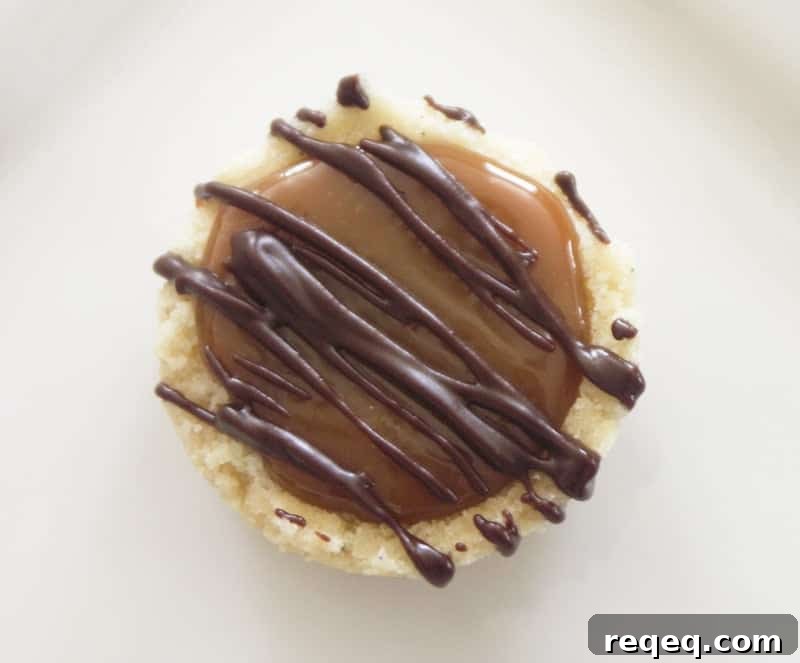
Homemade Twix Cookies
These bite-sized cookies are dangerously good: buttery shortbread filled with dulce de leche and coated in chocolate. They keep best chilled and develop deeper flavor after a day in the fridge. If you have self-control, chill them for 24 hours before eating.
Ingredients:
- 1 cup plus 2 tablespoons unsalted butter, at room temperature, divided
- 1 teaspoon kosher salt
- 3/4 cup granulated sugar
- 2 cups unbleached, all-purpose flour
- 1 teaspoon vanilla extract or ground vanilla
- one batch dulce de leche (homemade or purchased)
- 12 ounces semi-sweet chocolate chips
- 1 tablespoon heavy cream
Instructions:
Cream 1 cup of the butter with the salt, sugar and vanilla until well combined. Add the flour and blend until the mixture resembles moist sand with pea-sized pieces. When squeezed, it should hold together.
Preheat the oven to 300°F. Lightly butter or spray a 36-cup mini-muffin pan. Press the dough into each cup, then use a small tamper or your fingers to form a well in the center of each cookie.
Bake about 15 minutes, until edges are golden. Cool 10 minutes in the pan before removing; cool completely on a rack before filling. Fill each well with dulce de leche, then place the cookies on a rimmed tray lined with parchment or a silicone mat and freeze for two hours.
When ready to coat, combine the remaining butter, heavy cream and chocolate chips in a microwave-safe bowl. Microwave 30 seconds, stir, then continue in 10-second bursts, stirring until smooth. Dip the bottom half of each frozen cookie into the chocolate, letting excess drip off, then return cookies to the tray and freeze 30 minutes.
If the chocolate firms too quickly, warm it briefly in 10-second increments to keep it fluid. Work quickly when dipping or drizzling—the dulce de leche softens as it warms, which can make the process messy. Store leftover cookies loosely wrapped in the refrigerator.
Giveaway
I want to help stock your pantry with a spice I love: Korintje Cinnamon. This Indonesian cinnamon is sweet and fragrant, and a high-quality option if you’re used to bargain spices. I’m giving away a one-pound bag of Korintje Cinnamon from Frontier Herbs. To enter, leave a comment on this post with your money-saving kitchen tips, or tell me where you could use help—menu planning, grocery shopping, choosing meals based on family preferences, or other topics you’d like covered. One entry per person. I’ll draw a name next Wednesday when I complete the “Better Living List” installment of the series.