Recipes 5 min read
Smoky Roasted Salsa Recipe — Bold Fire-Roasted Tomato Salsa
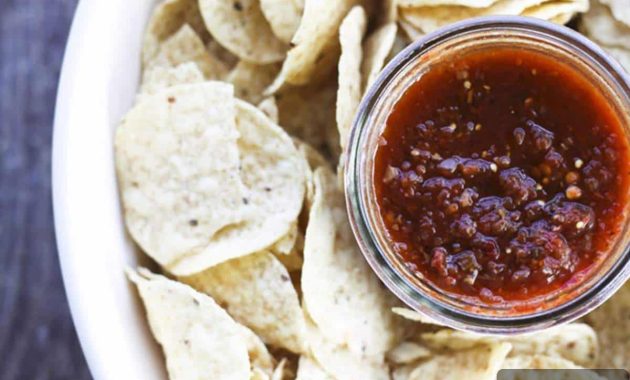
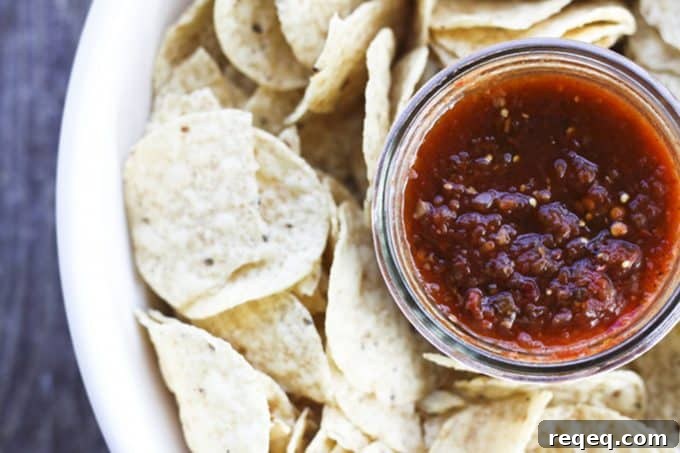
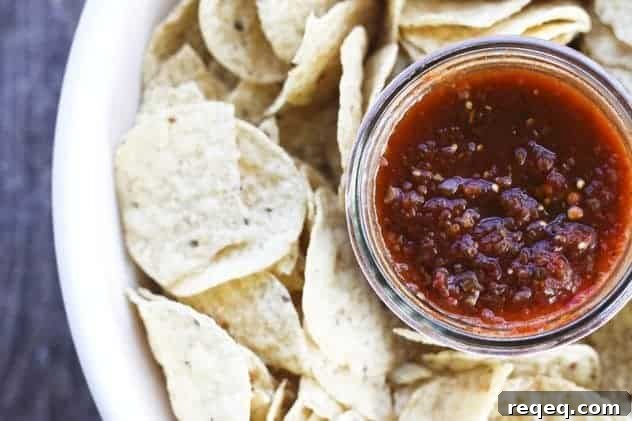
This Smoky Roasted Salsa is the little black dress of the salsa world: non-traditional, smoky, finely textured, and mildly spicy with a bold flavor that’ll knock you out. It’s perfect with chips, spooned over slow-cooked meats, or baked on enchiladas. I haven’t found a store-bought salsa that rivals it for depth and complexity. I make this salsa in large batches every summer—often a bushel each of tomatillos and plum tomatoes—because my family disappears into despair if we run out before the season ends. While it’s best when ingredients are at their peak, you can make it year-round if a salsa emergency strikes. Trust me: if you run out, it’s an emergency.
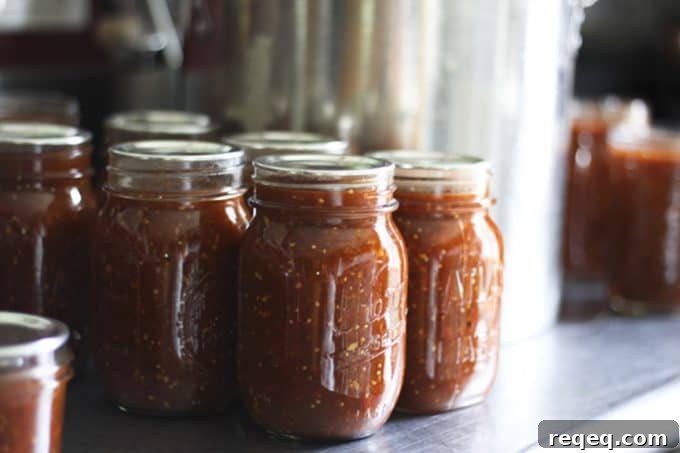
It’s salsa season—time for tomatoes to step up and shine. Whether you chant “salsa” or not, this roasted version deserves your attention.
I’m particularly enthusiastic about Smoky Roasted Salsa. Aside from fresh salsas like pico de gallo, this is the salsa every other variety wishes to become. It’s smoky, thick, and brick-red from guajillo and chipotle chiles, roasted tomatoes and tomatillos, and mellowed garlic. Unlike jarred salsas, it has a layered, homemade complexity that makes people stop and ask, “Where did you get this?”—and when they do, be proud to say, “I made it.” Be prepared to get asked how much you’d charge for a jar. Also be prepared for family members who will try to sweet-talk a free jar out of you with wildly unrelated confessions.
In short: be prepared. And maybe make extra.
Cook’s Notes
- Use dried, rehydrated chiles rather than fresh or powdered peppers; they give the flavor and texture this recipe needs.
- If your dried chiles look dusty, wipe them with a damp paper towel before toasting to remove debris.
- Roast tomatillos, tomatoes, onions, and garlic on a rimmed baking sheet so juices don’t spill. Add those pan juices to the food processor—no flavor waste.
- When handling roasted onions and garlic, remember they stay hot inside and can be slippery. Rough chopping is fine since everything will be pulsed.
- Pulse the roasted tomatoes to your preferred texture. We like a mostly smooth salsa with a few bits of tomato remaining for body.
- Very fresh tomatoes can be high in natural pectin, which may thicken the salsa in the jar. If that happens, a quick stir with a fork will loosen it.
- Choose ripe tomatillos by checking the papery husk; a split husk and greenish fruit yield the most tangy flavor. Yellow or purple tomatillos will be milder and sweeter.
- This is a “ground” salsa: instead of fine chopping by hand, use a food processor and pulse until the mixture is small but not completely liquid. This texture makes the salsa versatile—great as a condiment, marinade, or slow-cooker sauce for shredding meats.
- My final advice: double the recipe. You’ll thank yourself later when you avoid guarding the last jar like a treasure or mourning the empty shelf.
Tools
- Rimmed sheet pan for roasting
- Food processor or blender for pulsing
- Large stainless pot for simmering
- Long-handled spoon and ladle
- Water-bath canner and pint jars if you plan to preserve
Smoky Roasted Salsa
Rebecca Lindamood
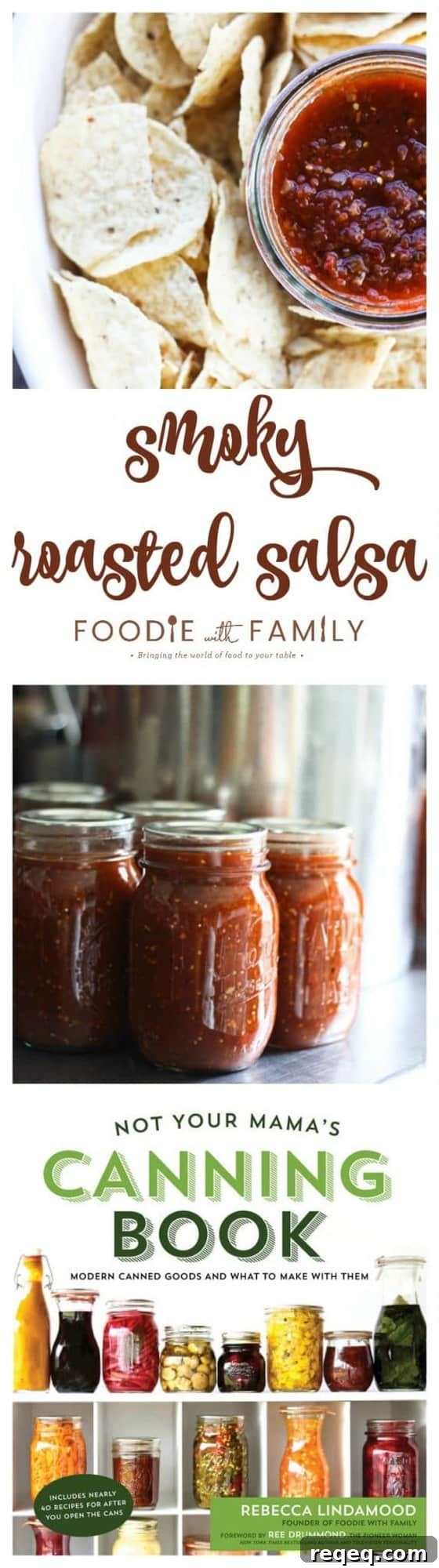
Reprinted from “Not Your Mama’s Canning Book”
Ingredients
- 12 dried chipotle peppers, stems and seeds removed
- 12 dried guajillo peppers, stems and seeds removed
- 2 cups boiling water
- 2 small to medium onions
- 1 head garlic, separated into cloves but not peeled
- 2 lbs plum or Roma tomatoes
- 2 lbs tomatillos, husks removed
- 1 cup bottled lime juice
- 1 tablespoon honey, agave, or raw sugar
- 1 1/2 teaspoons kosher salt
Instructions
- Toast the dried chiles in a heavy, dry skillet in batches until they become pliable. Transfer to a heatproof bowl, pour the boiling water over them, and weigh them down with a plate or small lid. Let soak 20 minutes.
- Place tomatillos, tomatoes, onions, and the whole head of garlic on a rimmed sheet pan under the broiler. Turn occasionally until the skins blister and are blackened in spots.
- Move tomatillos to a blender or food processor and pulse until smooth. Add this purée to a large stockpot. Transfer onions and garlic to a cutting board; leave the tomatoes covered in the pan to cool slightly.
- Peel and roughly chop the roasted onions and the garlic cloves (they will be soft). Pulse in the blender or processor until finely chopped or smooth, then add to the stockpot with the tomatillos.
- Add the soaked chiles to the blender or processor. Strain the chile soaking liquid through a fine mesh sieve to remove grit and add the strained liquid to the blender. Blend until smooth and add the chile purée to the stockpot.
- Peel the tomato skins away (they should slip off easily). Add the tomatoes and their juices to the blender and pulse to your desired texture—chunky or mostly smooth—then add to the stockpot.
- Stir in the lime juice, honey (or agave or sugar), and salt. Bring to a boil, stirring frequently to prevent scorching. Reduce heat and simmer about 15 minutes, until slightly less thick than ketchup.
- Ladle hot salsa into prepared pint or half-pint jars, leaving 1/2 inch headspace. Seal with lids. Process jars in a boiling water bath with water covering jars by 2 inches; boil for 15 minutes. Remove jars and cool completely (at least 12 hours) before removing bands, wiping, and labeling. Store in a cool, dark place up to one year.
Nutritional information is an estimate. Calculate nutrition using the exact ingredients you use if needed.
Did you make this recipe?
Share your version on Instagram and tag @foodiewithfam with the hashtag #foodiewithfamily so the author can see it.
Originally published September 14, 2011. Updated September 2017 with refined notes, tools, and the adapted recipe as it appears in Not Your Mama’s Canning Book.