
Mmmmm. Oranges. I love them dearly.
Sometimes a squeeze of fresh orange is enough to brighten a dish, but other times you need something more concentrated and complex. Classic orange liqueur — Grand Marnier being the best-known example — is essentially orange essence married to brandy. A small amount of alcohol can unlock aromatic compounds that water or heat can’t, revealing deeper, more rounded flavors in fruits like oranges, berries, peaches, and tomatoes. A judicious splash can elevate a recipe from very good to spectacular.
A few weeks ago I shared my Blueberry Tiramisu recipe, and many readers asked how to make a Homemade Grand Marnier Clone. Whether you want to refill an empty bottle after hosting a party or you enjoy proving you can make something better than the commercial version, this recipe delivers. Be aware: the one real constraint is patience. Homemade orange liqueur benefits from aging — plan on 2–6 months for the best results. If you’re using it in frozen blended cocktails, you can be more flexible, but for sipping or in delicate desserts like tiramisu, pastry cream, or crêpes, the slow maturation makes a big difference.
If you want to give it as a gift, decant the finished liqueur into a pretty bottle with a stopper, add a ribbon, and watch it impress friends and food lovers. I once gave a sample to a discerning friend who declared it “better than Grand Marnier.”
Homemade Grand Marnier Clone
This project is simple to make but requires planning. At a minimum allow two months to age; four to six months yields a smoother, more complex result. If impatience strikes, divide the batch and open one portion early while letting the rest continue to age. You can also scale the recipe up — a larger batch costs about the same as a single 750 ml bottle of store-bought liqueur and can be even more satisfying.
Ingredients:
- Zest of 8 oranges (wash and dry oranges first; remove zest only — avoid the white pith)
- 1 cup granulated white sugar
- 4 cups brandy (or cognac for a smoother, more refined finish)
- Optional: 1 teaspoon liquid vegetable glycerine for a silkier mouthfeel
Method:
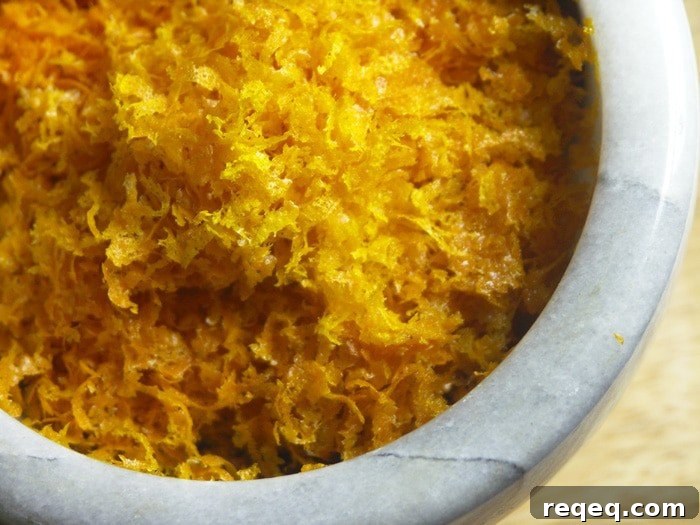
1. Place about 1/4 cup of the sugar in a medium bowl or mortar with the orange zest. Gently rub or muddle the zest into the sugar with a pestle or the back of a heavy spoon. Continue adding sugar in 1/4 cup increments and working the mixture until it becomes almost paste-like and very fragrant.
2. Transfer the sugar-and-zest mixture to a large, clean jar with a tight-fitting lid.
3. Pour the brandy over the zest mixture and stir well to combine.
4. Cap the jar tightly and store it in a cool, dark place to age. Shake the jar gently once a week. Age for at least 1–3 months, with longer aging (up to 6 months) producing a noticeably smoother, deeper flavor.
5. After a minimum of 4 weeks, strain the infused spirit through a fine-mesh stainless steel strainer into a bowl or measuring cup with a spout. Rinse the strainer and the aging jar to capture every last drop. Line the strainer with cheesecloth or a clean tea towel and pour the liqueur back into the jar for a final clarification.
6. If using liquid glycerine, stir it in now to improve texture. Seal the jar and continue aging for an additional 1–3 months, shaking periodically.
When the liqueur has reached your preferred balance of aroma and smoothness, decant it into bottles and seal. Use it to sip neat, enhance desserts, soak ladyfingers for tiramisu, add to pastry creams, or drizzle over crêpes before flambéeing. Properly aged, this homemade clone offers rich orange character and a satisfying warmth from the brandy.
To make a photoless, printer-friendly version of this recipe, use the streamlined version provided where you store your recipes.