
Disclosure: I was provided with this all-inclusive trip to Tuscany by DaVinci Wine. As usual, all opinions and recipes are my own. All photography is mine, unless otherwise noted.
During my trip to Tuscany as a DaVinci Storyteller I felt overwhelmed by how much I wanted to remember — the people, the history, the landscape, the art, and the food. On my first day I snapped photos and took notes constantly, then realized I needed to put my devices down and simply absorb the experience. I still recorded moments, but I concentrated on the larger picture: the resilience, generosity, and joy expressed everywhere in Tuscan life.
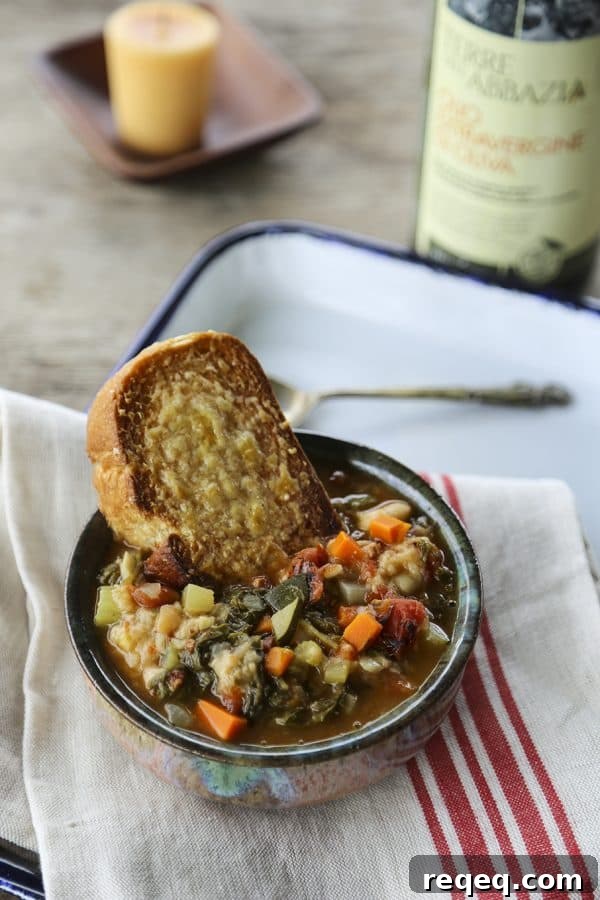
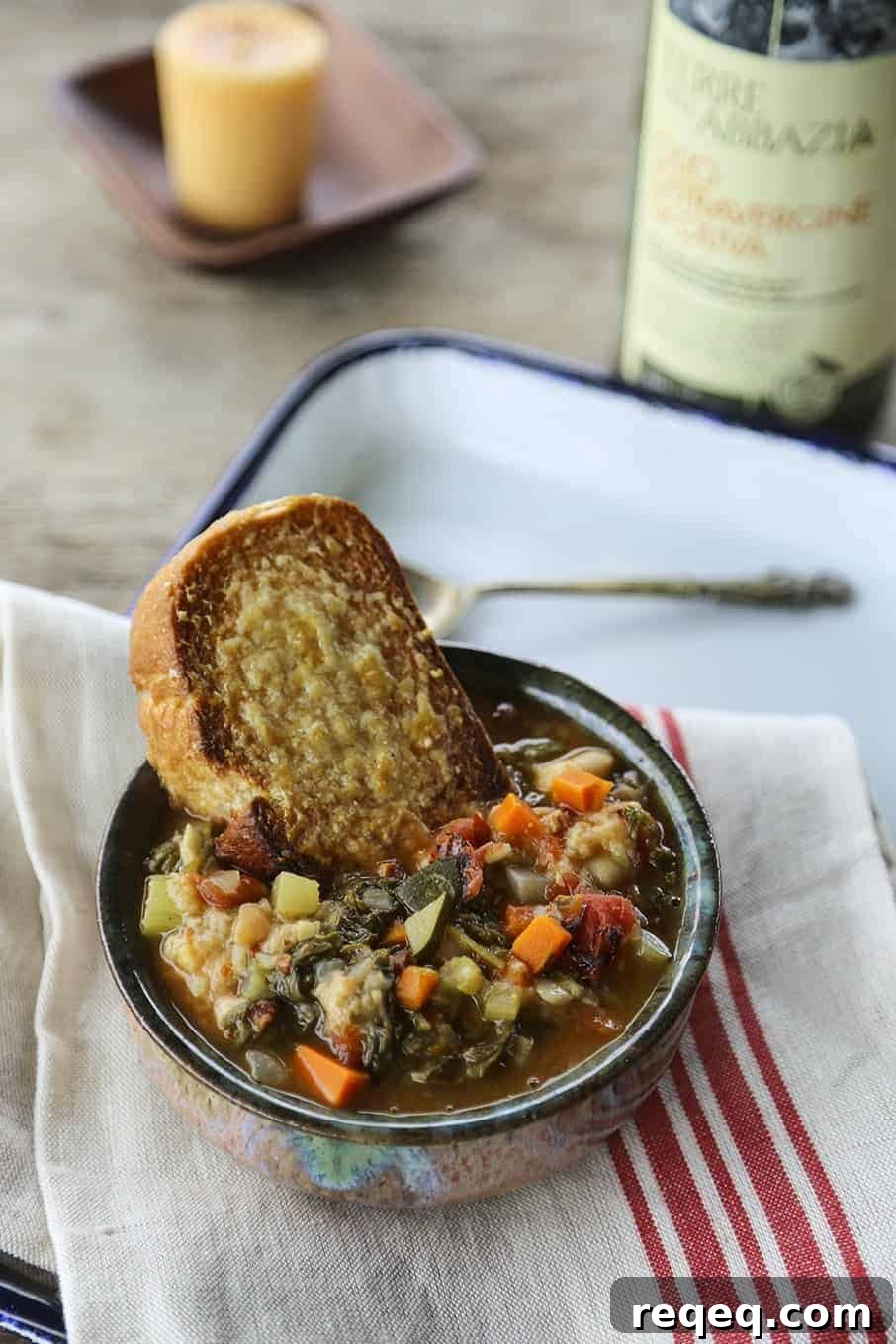
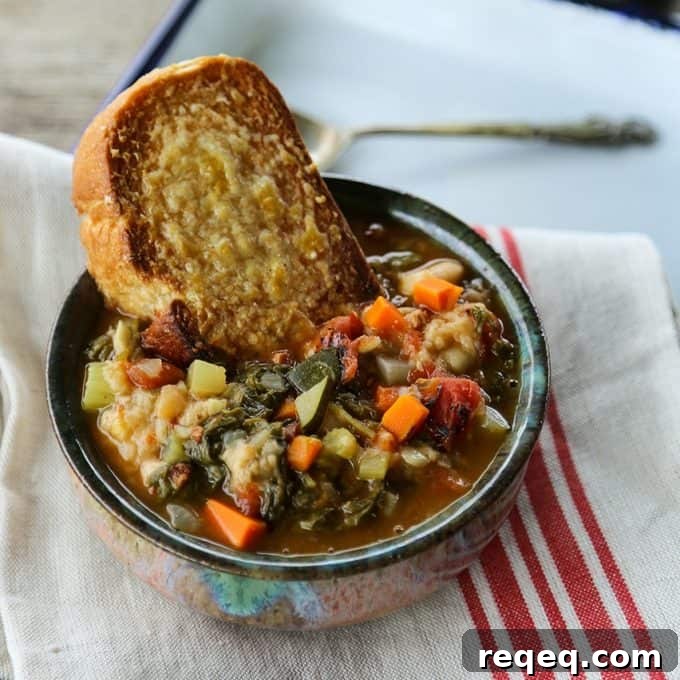
Ribollita — the classic Tuscan vegetable and bean soup — captures that spirit perfectly.
Tuscany honors its past by making the most of seasonal, locally available ingredients. Carolina, our translator and guide, brought that tradition to life through stories of art, agriculture, and local economy. She explained that ribollita began as a peasant dish born of necessity: no scrap of edible food could be wasted. Tuscan bread was traditionally made without salt and went stale quickly. Instead of discarding hardened bread, people re-boiled a vegetable and bean soup, tearing the stale bread into it to thicken and enrich the dish. In Italian, ribollita literally means “re-boiled.”
Because of its humble origins, ribollita was sometimes dismissed by the culinary elite. But recent economic challenges have prompted chefs to return to straightforward, honest foods and elevate them in restaurants. These dishes—born from scarcity and creativity—celebrate the land and provide real nourishment. That story is part of what makes the food so meaningful.
For more photos of my trip to Tuscany as a DaVinci Storyteller and more of what I learned from my new Tuscan friends, scroll below the recipe!
Cook’s Notes
- Don’t be intimidated by the ingredient list. The work is mostly chopping vegetables. Once everything is prepped, the recipe comes together in stages.
- There are many vegetables in this soup — that’s the charm. It makes a large batch and improves after a day or two in the fridge.
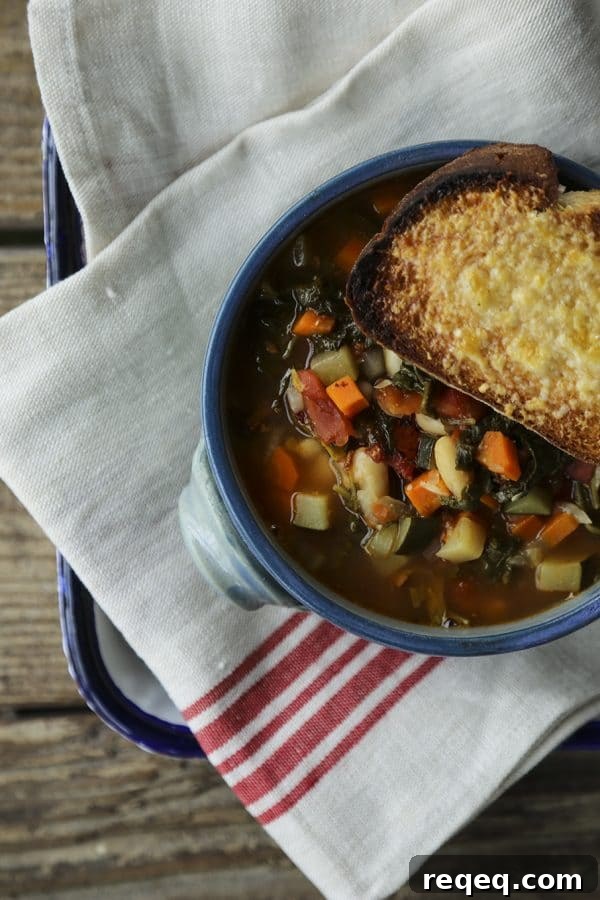
- Traditionally ribollita is made on day one and re-boiled on day two with bread added to thicken it. It’s especially good this way, though still tasty on the first day without the bread.
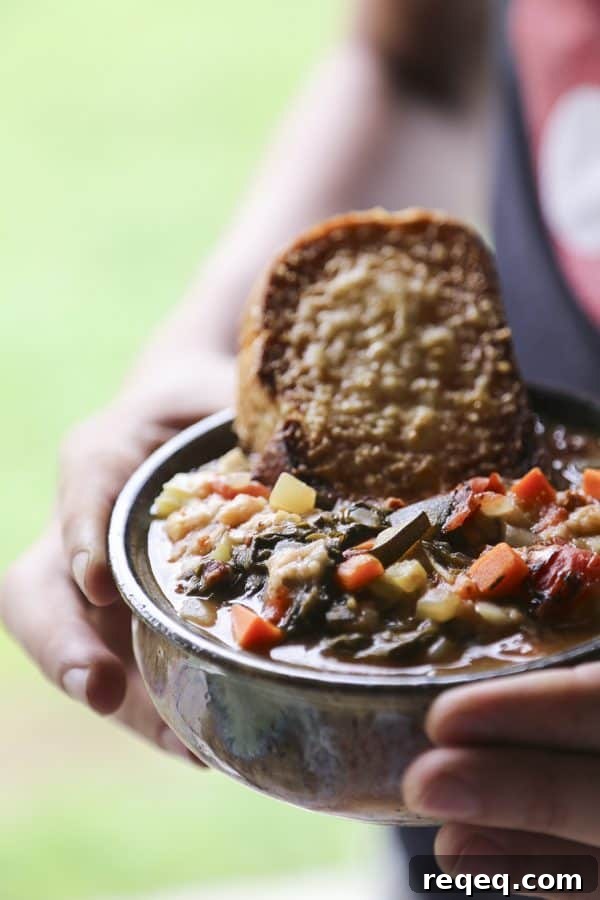
- In Italy ribollita is quite thick — more like a stew than a thin soup.
- The Parmesan soup croutons are not traditional, but they’re a delicious addition. You can omit them and still have a wonderful dish.
Connect with Foodie with Family
facebook | pinterest | instagram
twitter | G+
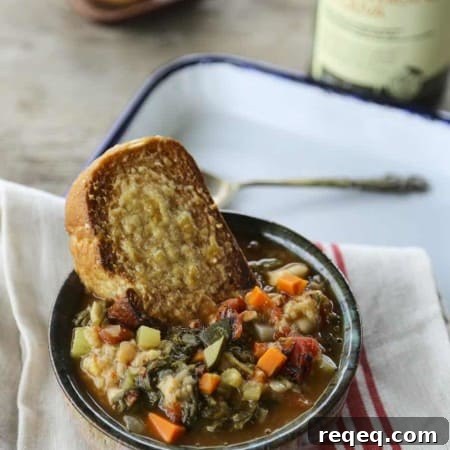
Ribollita – Tuscan Vegetable Bean Soup
Rebecca Lindamood
Ingredients
For the Ribollita:
- 4 ounces pancetta or bacon, diced
- 2 tablespoons pure olive oil
- 1 large yellow onion, peeled and diced
- 2 large carrots, scrubbed and diced
- 2 ribs celery, with leaves if available, diced
- 3 large cloves garlic, minced
- 1 teaspoon kosher salt
- Pinch crushed red pepper flakes
- 1 medium zucchini, diced
- 2 cups cooked cannellini beans (or 1 can, drained and rinsed)
- 1 can diced tomatoes (14.5 ounces)
- 2 tablespoons tomato paste
- 11 ounces baby kale or chopped kale
- 4 cups chicken stock or broth
- 1 sprig fresh rosemary (or 1/2 teaspoon dried)
- 1 sprig fresh thyme (or 1/2 teaspoon dried)
- 1 sprig fresh parsley (or 1/2 teaspoon dried)
- Optional: Parmesan rind
- 4 one-inch-thick slices stale Tuscan or Italian bread, crusts removed and cut into cubes
- 4 large fresh basil leaves, chiffonade
For the Parmesan Soup Croutons:
- 6 to 8 slices fresh Tuscan or Italian bread, 3/4-inch thick
- Extra virgin olive oil
- About 2 tablespoons freshly grated Parmesan cheese per slice
Instructions
- Place pancetta in a large pot over medium heat. Cook until golden and fat renders. Add olive oil, then onion, carrots, celery, garlic, salt, and red pepper flakes. Reduce heat to medium-low and sweat the vegetables for 7–10 minutes. Add zucchini and cook 3 more minutes.
- Add cannellini beans, diced tomatoes, and tomato paste. Stir, then add kale, chicken stock, rosemary, thyme, parsley, and Parmesan rind. Bring to a boil over medium-high heat, then reduce to a gentle simmer for 20 minutes.
- Remove thyme and rosemary sprigs. Add bread cubes and simmer 10 minutes, until the bread breaks down and thickens the soup. Remove from heat and stir in basil chiffonade.
To prepare the Parmesan soup croutons:
- Preheat the broiler on high. Brush both sides of bread slices with olive oil. Toast 6 inches under the broiler until golden. Flip, top each slice with about 2 tablespoons grated Parmesan, and return to broiler until the cheese bubbles and browns.
To serve:
- Ladle ribollita into bowls and top each serving with a Parmesan crouton.
Nutritional information is an estimate. Calculate values with the ingredients you use if needed.
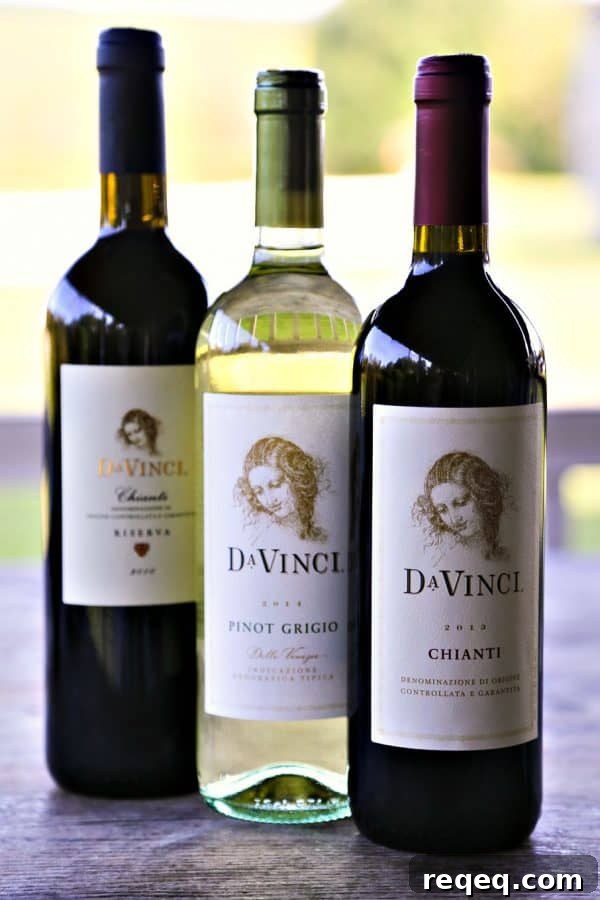 These are three of DaVinci Wine’s popular offerings in the United States: the Chianti, Pinot Grigio, and Chianti Riserva.
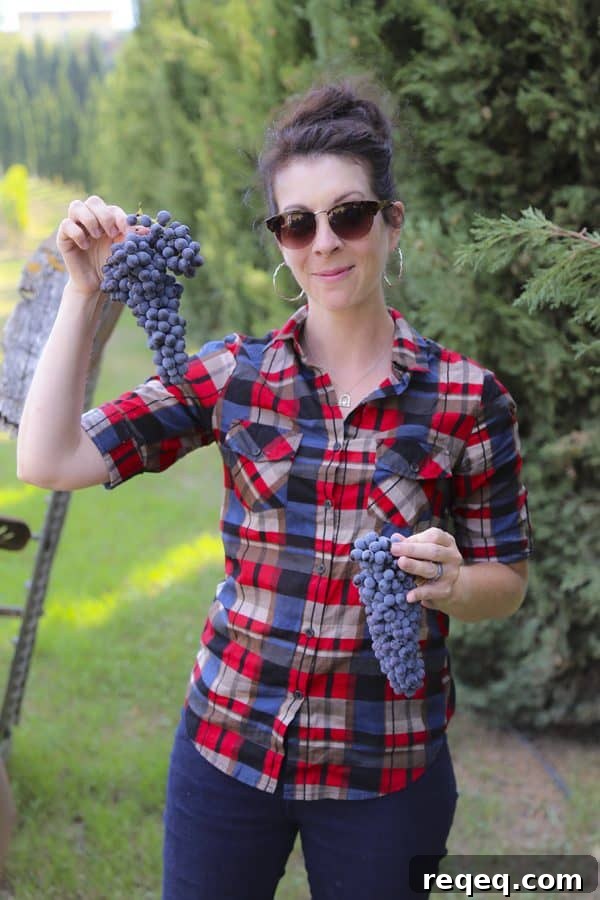
Here I am picking Sangiovese grapes with DaVinci agronomist Andrea Meini. Those grapes will become DaVinci Chianti in a future vintage — an unforgettable moment to harvest grapes that will go into a wine I love. Photo credit: Alana Kysar.
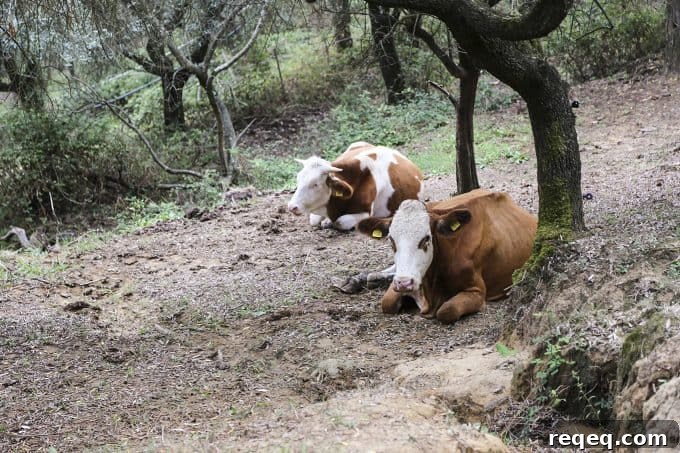
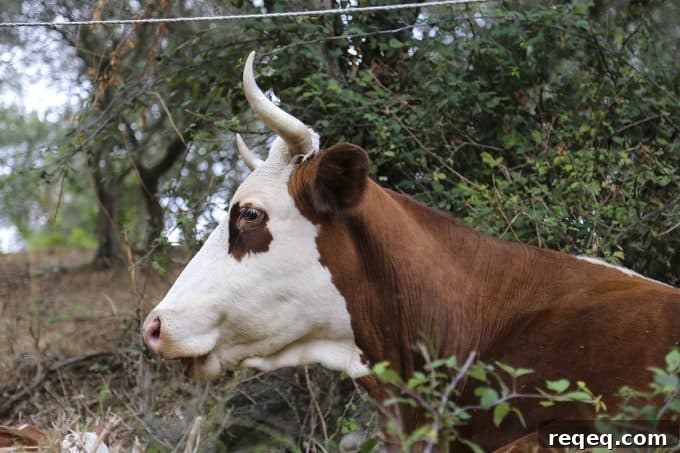
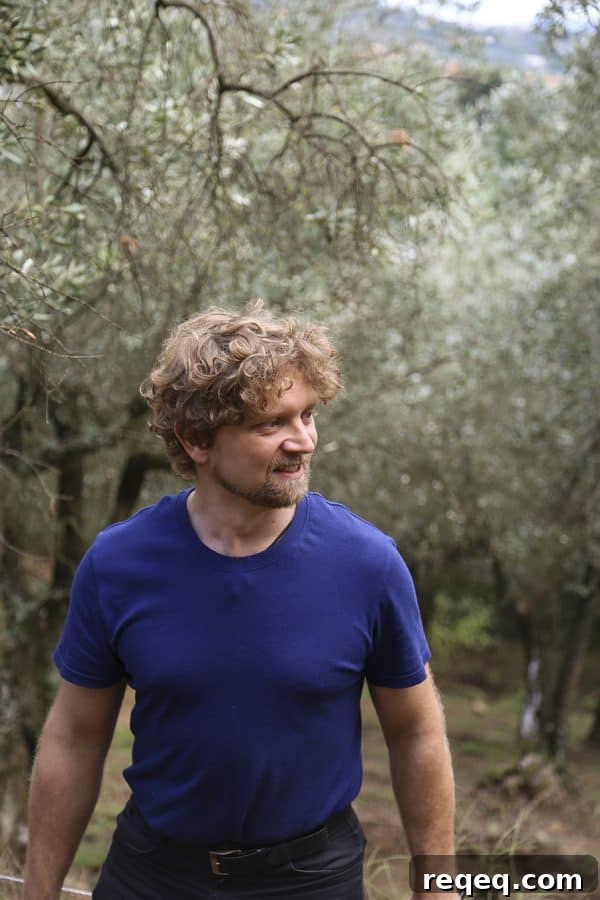
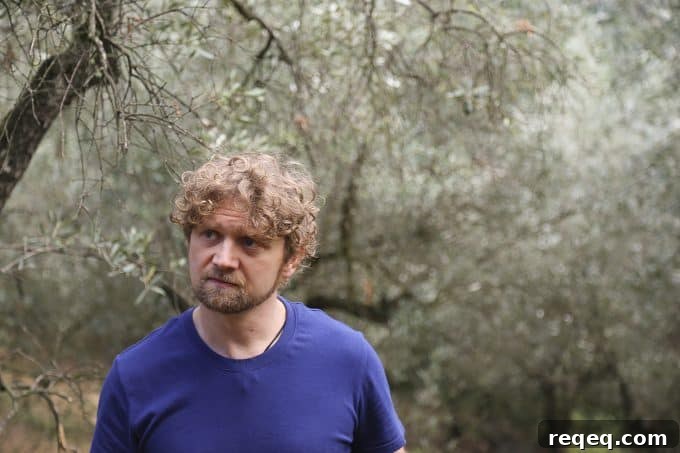
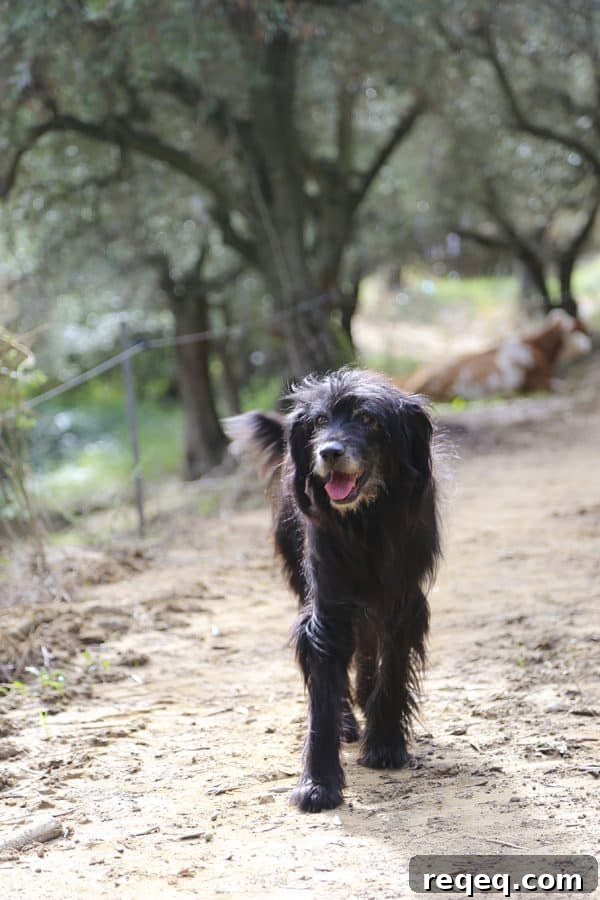
These photos show Francesco Bagnoli of Il Due Falcetti, an artisan cheesemaker between Lucca and Florence, his cows, and his loyal 13-year-old dog who joined us on a tour of the grounds.
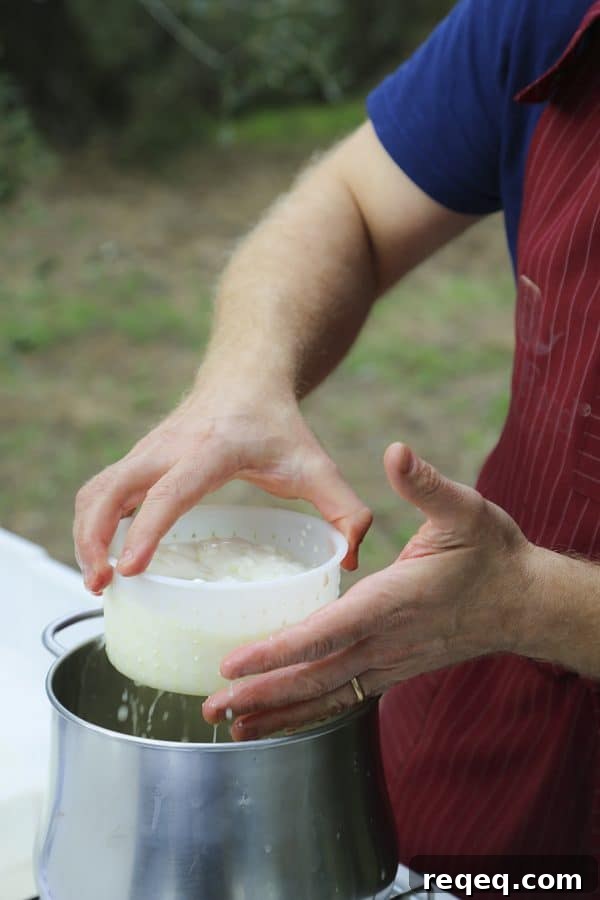

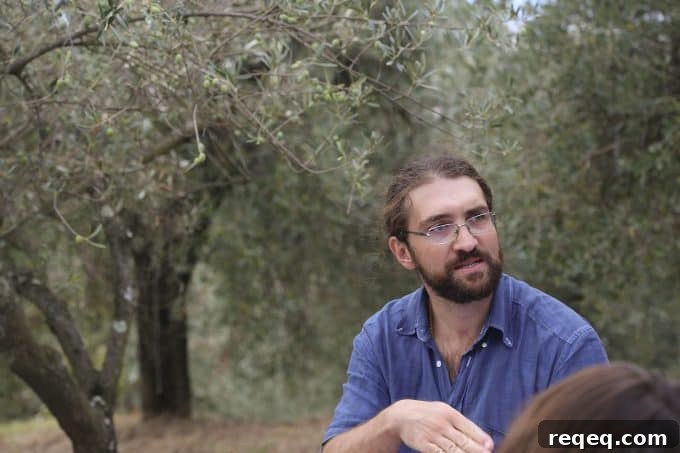
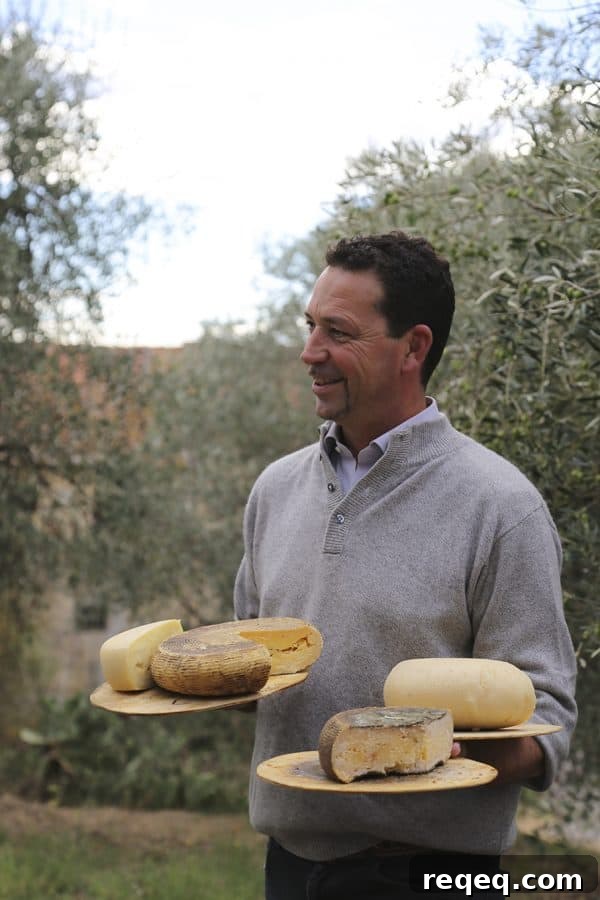
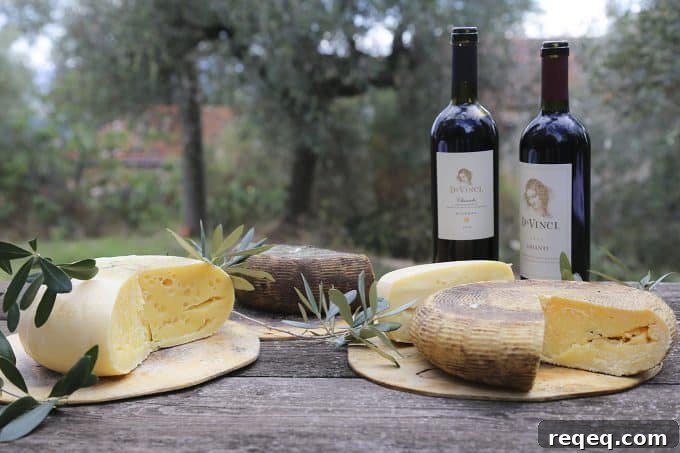
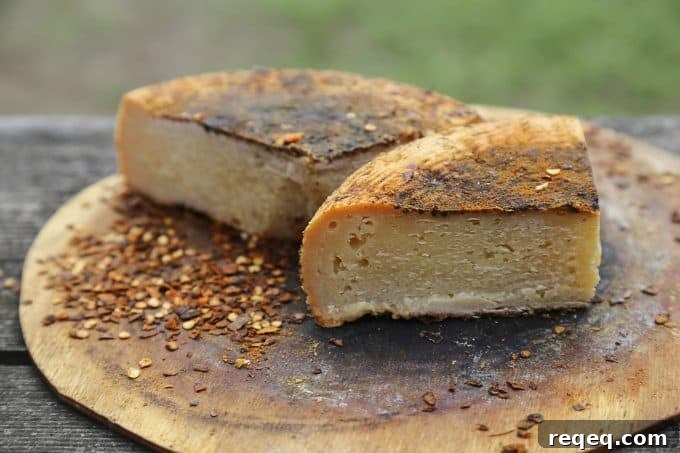
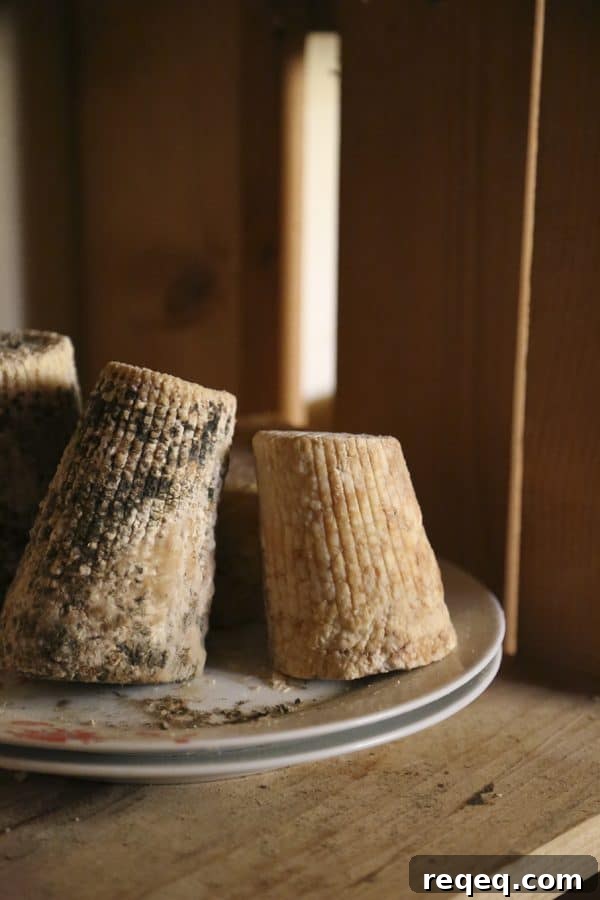
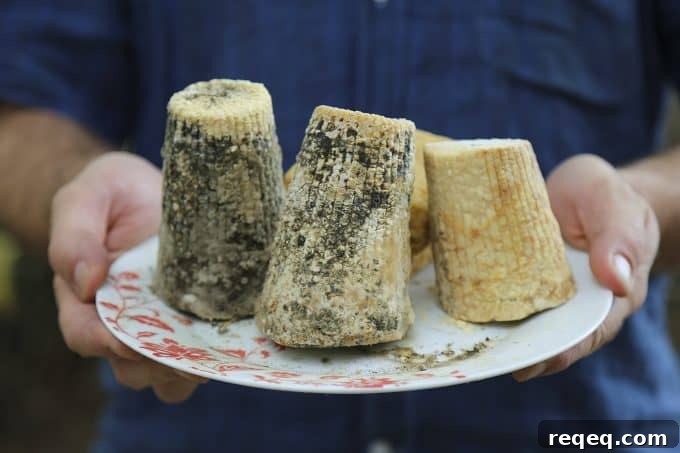
Francesco and his brother led an open-air cheesemaking demonstration, then paired several of their cheeses with DaVinci wines. Giacomo Alari, DaVinci’s export manager and wine educator, suggested pairings that highlighted a simple rule of thumb: pair young wines with young cheeses and aged wines with aged cheeses.
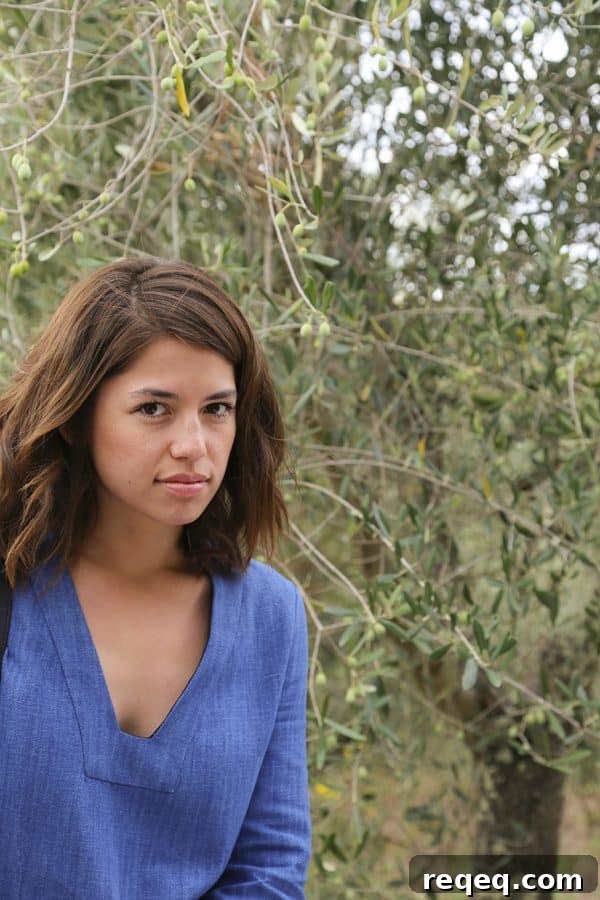
I caught Molly Yeh of My Name is Yeh just before she cracked a grin and stuck out her tongue — a brief, Mona Lisa-like smile that made the moment memorable.
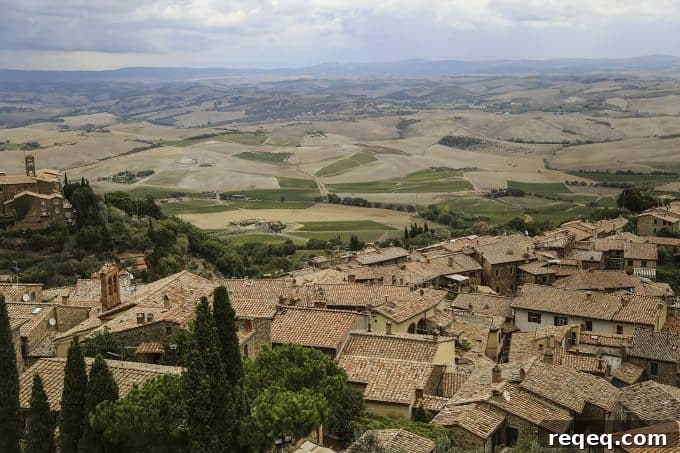
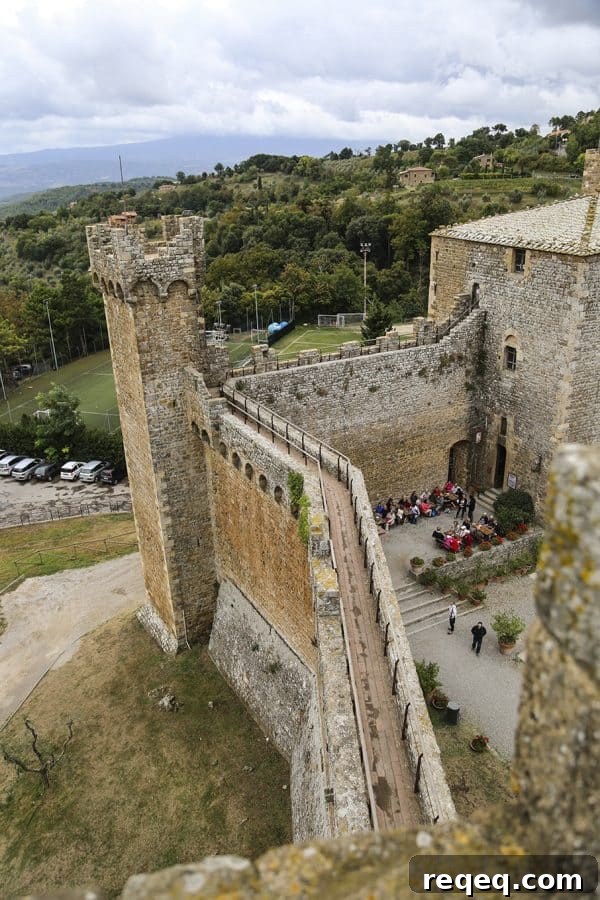
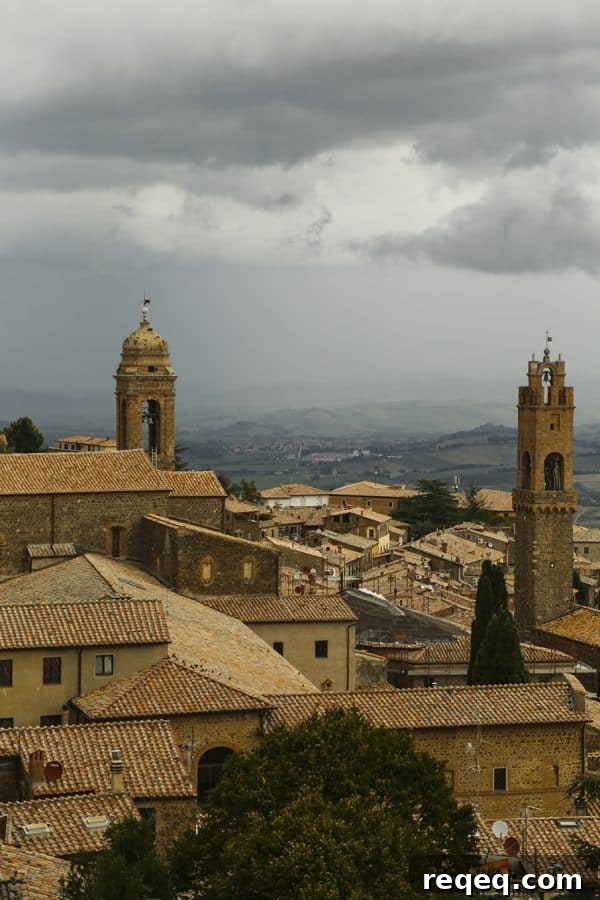
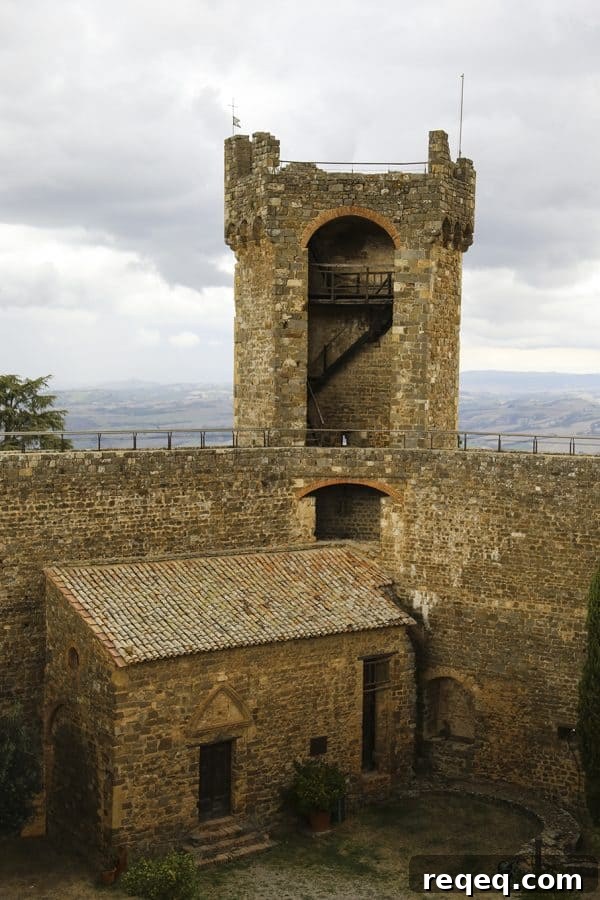
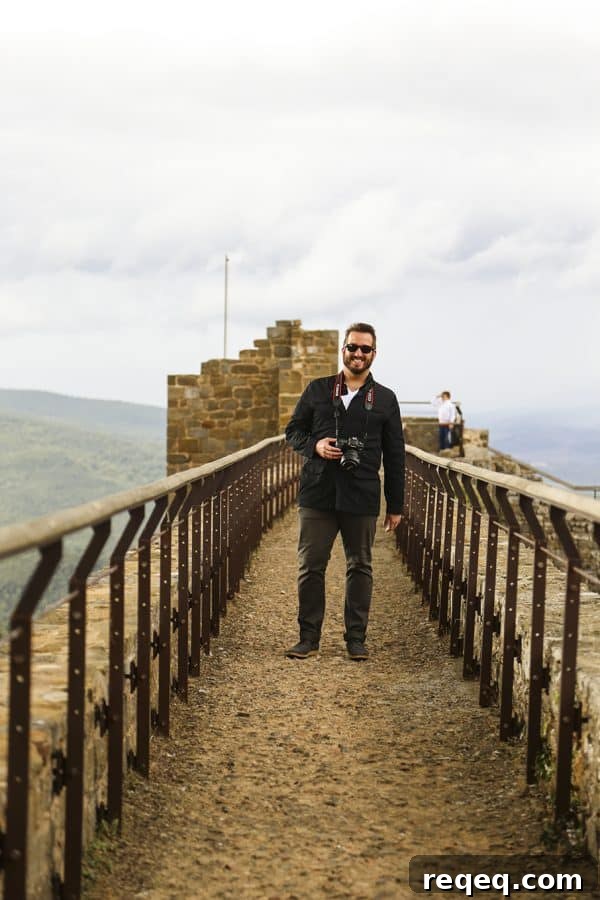
Brandon, Molly, Alana, and I climbed the watchtower overlooking Montalcino just before a sudden rain sent us in search of shoes and gelato — a very Tuscan response to an afternoon shower.
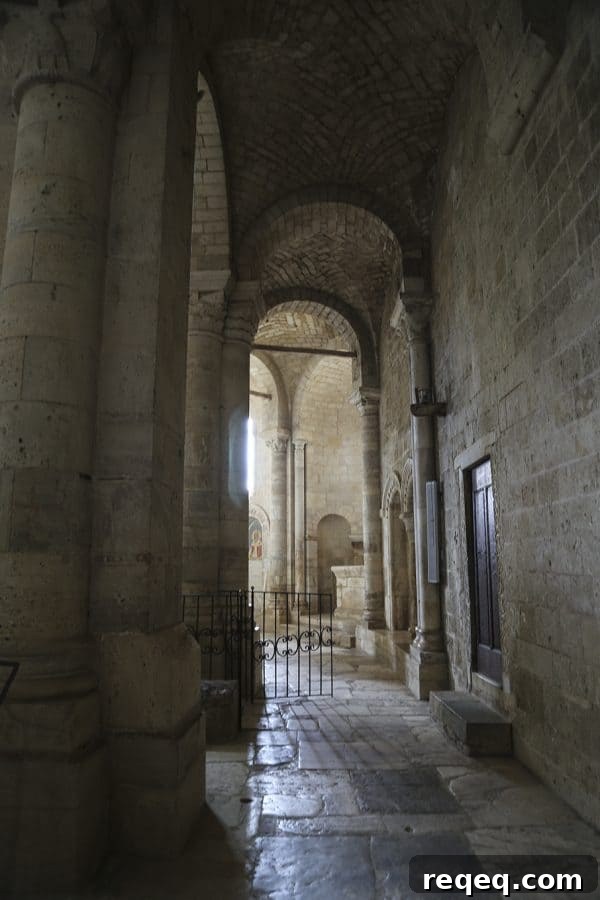
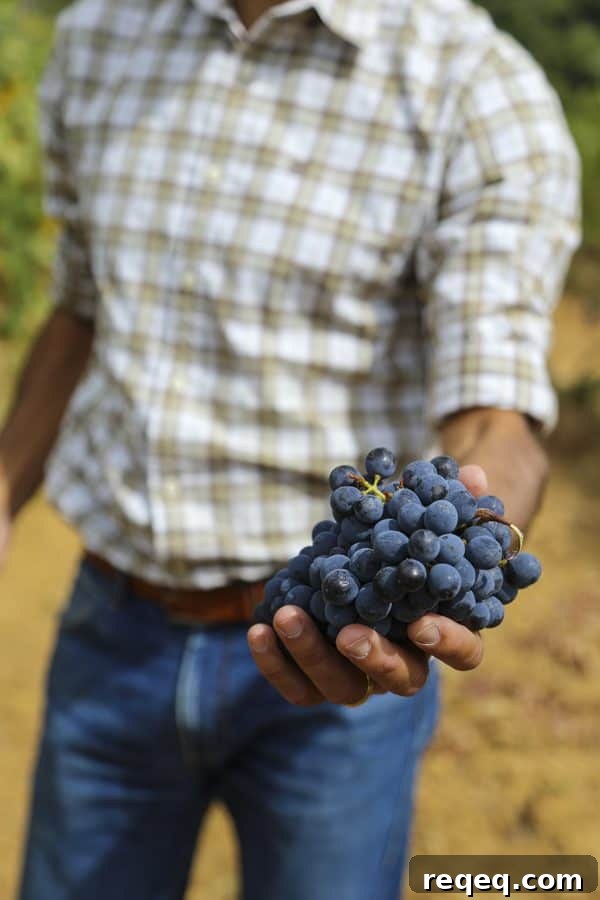
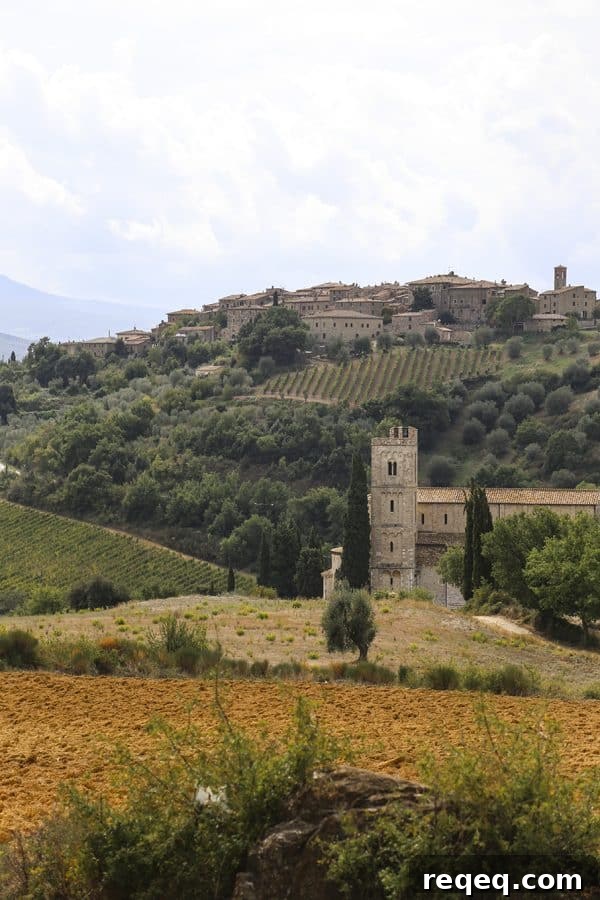
Throughout the trip I was struck by how fully growers, winemakers, and agronomists understand and appreciate the landscape that surrounds them. Lorenzo Danielli, DaVinci’s Montalcino agronomist, held a cluster of Sangiovese Grosso grapes destined for Brunello di Montalcino and proclaimed, “I don’t make wine. I make Brunello!” His pride and reverence for the work were unmistakable.
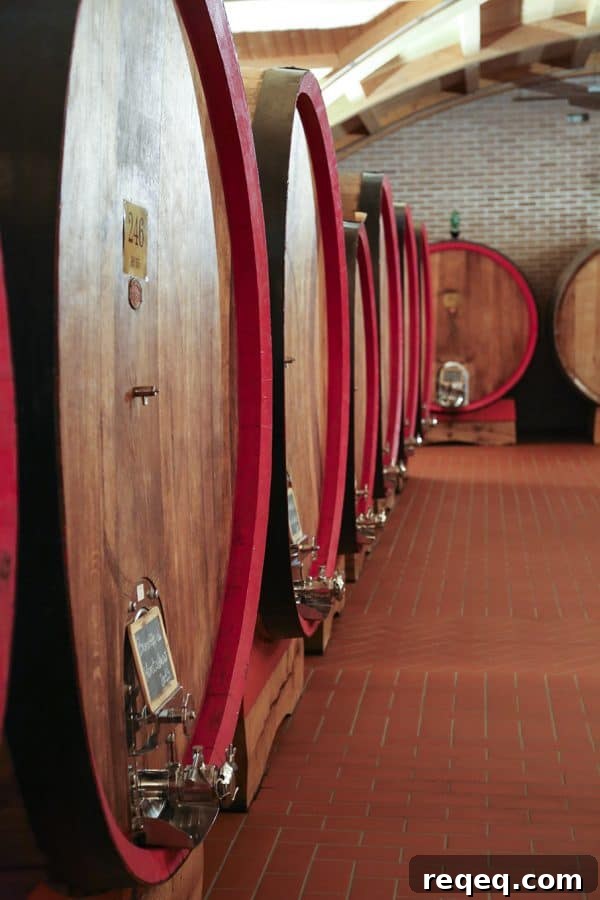
We toured DaVinci’s barrel room in Montalcino, enjoyed lunch among the barrels, and tasted verticals including the 2011 Brunello (not yet on the market at the time), the 2010 Brunello di Montalcino, and older vintages.
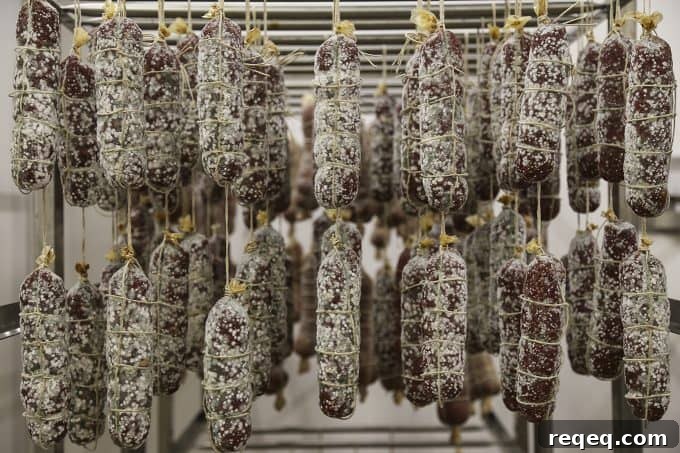
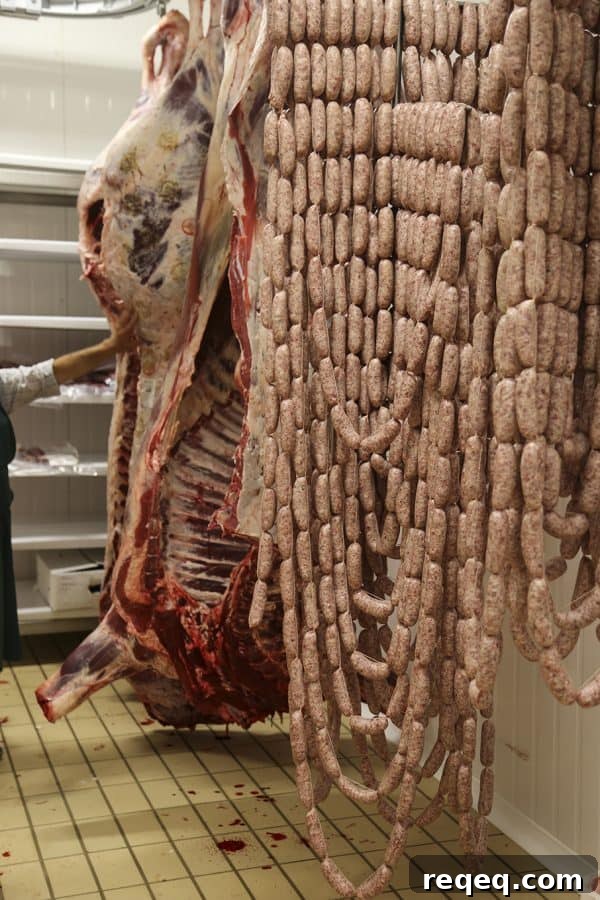
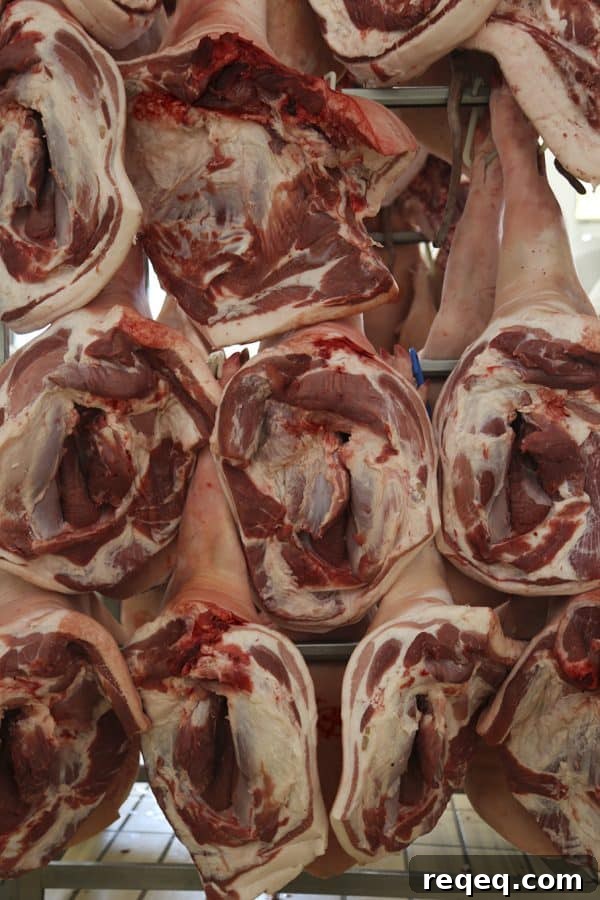
Later we visited Macelleria Falaschi to meet Signor Falaschi and tour his prosciutto production facilities.
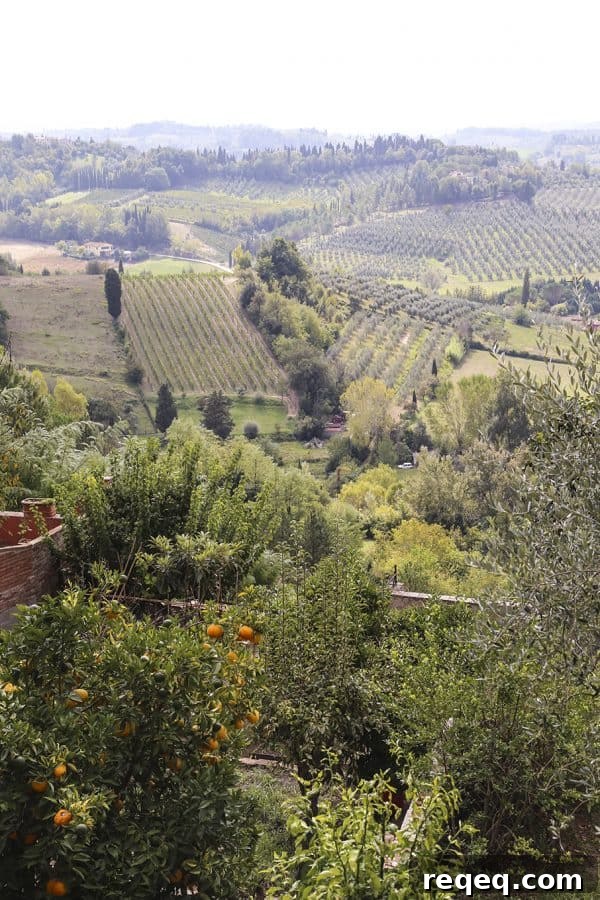
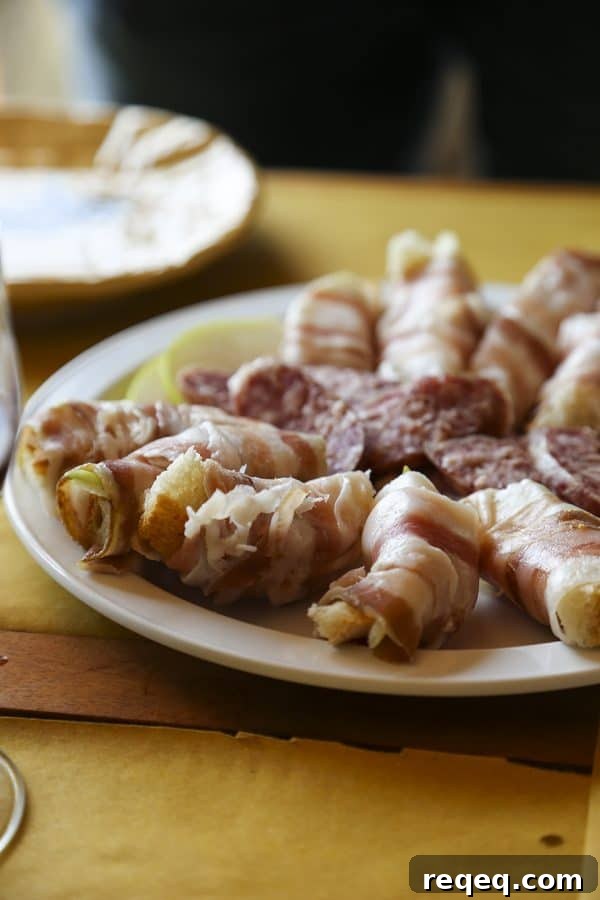
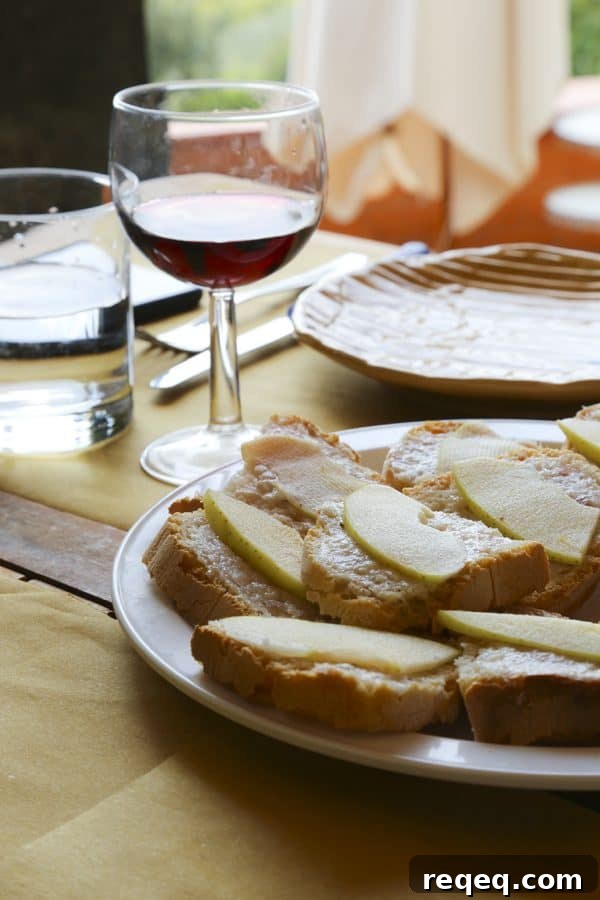
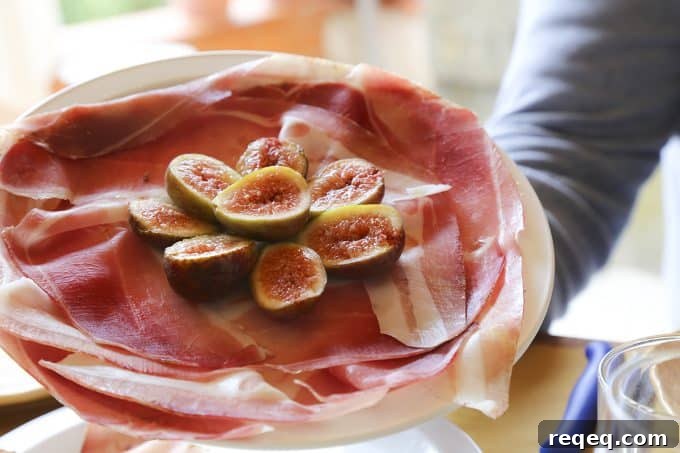
After a detailed look at traditional prosciutto production, we enjoyed a special lunch on the back porch of the butcher shop in San Miniato, with views of olive groves, vineyards, and cypresses. Signor Falaschi’s wife passed a series of exceptional dishes followed by a braised beef course that I’ll share here soon.
I’m deeply grateful to the people of Tuscany, my hosts at DaVinci Wine, and my fellow Storytellers for an incredible experience I will remember through both memory and food for the rest of my life. Grazie, mille grazie, Tuscany and DaVinci!
Disclosure: I was provided with this all-inclusive trip to Tuscany by DaVinci Wine. As usual, all opinions and recipes are my own. All photography is mine, unless otherwise noted.