Recipes 5 min read
Why Tomatoes Are So Good for You and How to Enjoy Them
Best Thing Tomatoes are one of the simplest and most effective ways to preserve ripe tomatoes. This intense, concentrated purée of roasted tomatoes with garlic, onions, and herbs adds deep, complex flavour to any dish.
My friend Caroline and I often talk about food while our sons are in ballet class together. We both drive quite a distance to the conservatory, far enough that leaving and returning during class is impractical, so we use the time to catch up—and inevitably talk about recipes.
Caroline is an extraordinarily talented baker and cook, and one afternoon she told me about an accidental discovery. She’d put a few trays of inexpensive tomatoes into the oven to roast and then completely forgot about them. Hours later she remembered, pulled them out, and saw the tomatoes had shrivelled and developed dark edges. She assumed they were ruined, but in true thrifty fashion she tossed them into the blender with a splash of balsamic and a bit of wine just to see if they could be salvaged.
To her surprise, the result was incredible. She’d created what she calls The Best Thing to Do with Tomatoes. It was rich, concentrated, and packed with flavor—like a wildly improved tomato paste.
She brought me a sample, and it exceeded her description. The purée was thick and intensely tomatoey; every spoonful tasted like condensed summer. I wanted more, so I refined the process at home and settled on consistent quantities and timing.
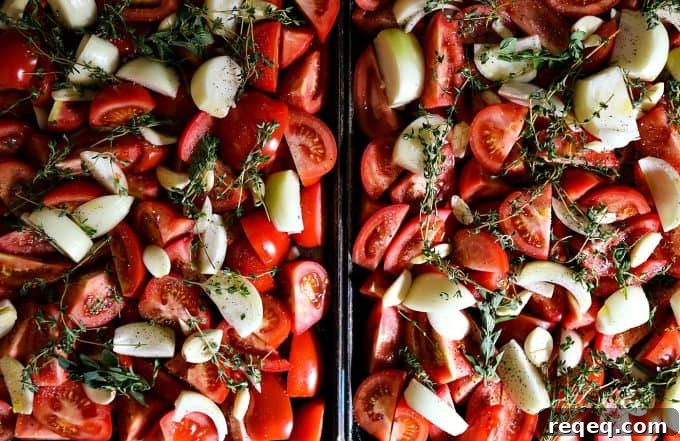
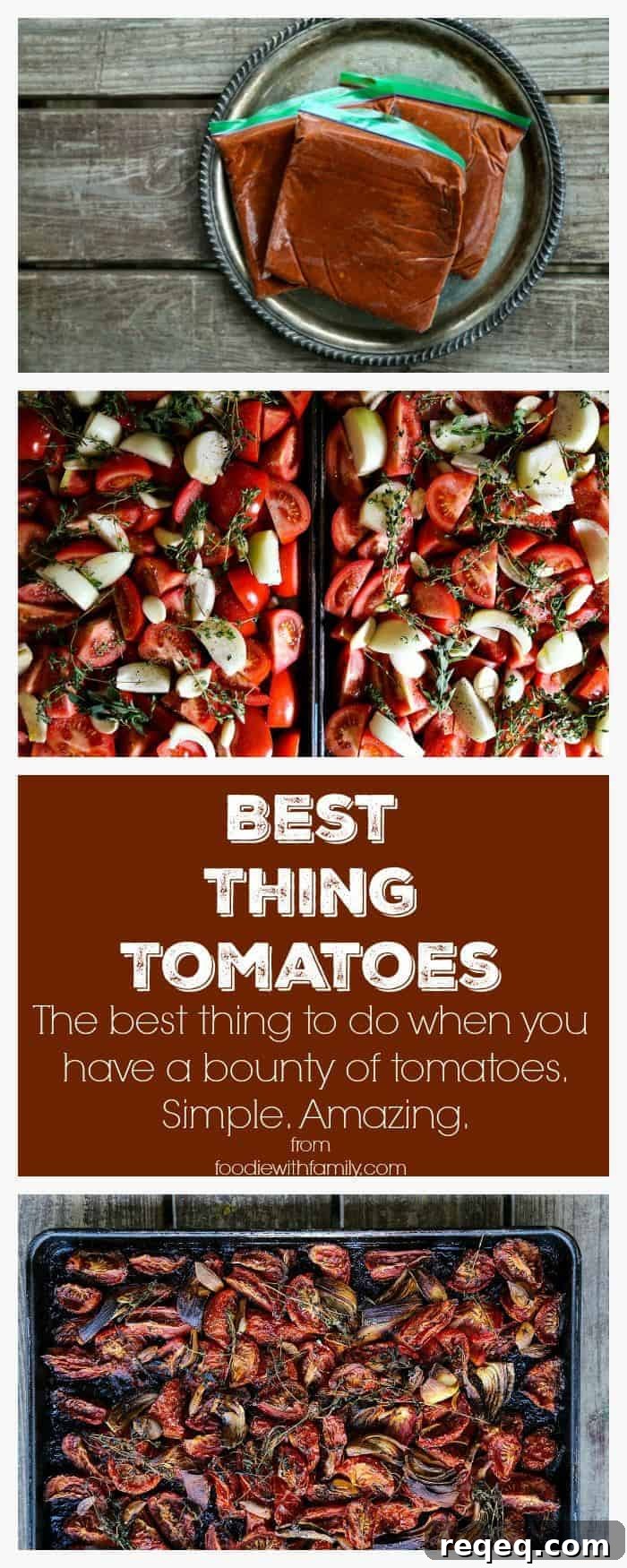
The method is straightforward: core and quarter tomatoes, cut a couple of onions into wedges, peel a head of garlic, strip herb leaves, then toss everything with salt, pepper, and olive oil. Spread on a rimmed sheet pan and roast at a moderate temperature for several hours until everything is deeply caramelized and concentrated.
The one caveat is patience. While Caroline left the house and lost track of time, I stayed and watched. The roast develops an intoxicating aroma that will make you very hungry, but you don’t need to check it constantly. On a well-calibrated oven you can leave it for a couple of hours; for the most concentrated flavour plan on around four to four and a half hours.
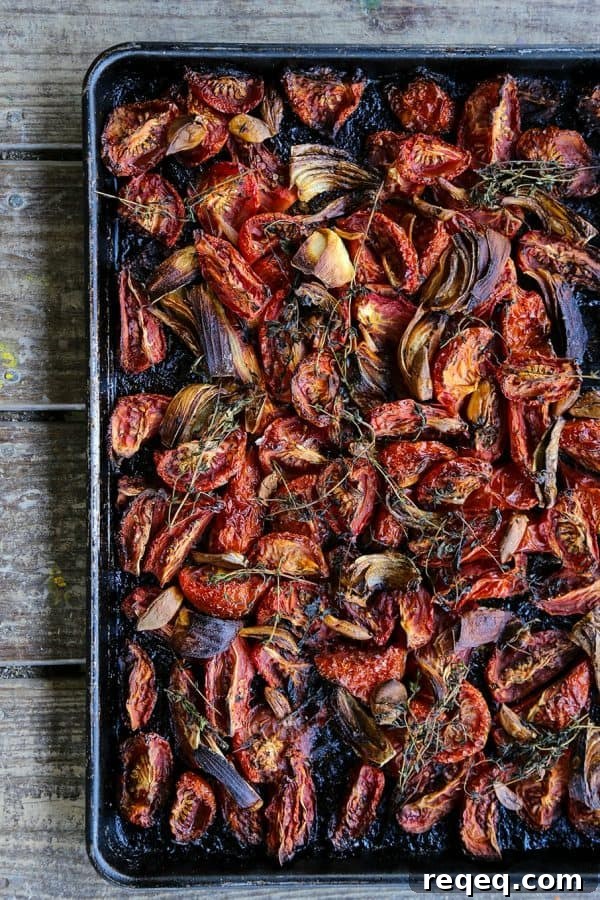
Even when the tomatoes look dark and a little blackened at the edges, that’s exactly the texture and flavour you want: caramelized, concentrated, and deeply umami. Blend the roasted vegetables with a splash of wine or diluted balsamic and you’ll have a silky, intensely flavoured purée perfect for freezing or immediate use.
It truly is one of the best ways to preserve tomatoes, transforming humble fruit into an all-purpose paste that elevates sauces, soups, and simple weeknight meals.
How to use Best Thing Tomatoes:
- Substitute it 1:1 for tomato paste in recipes for greater depth and complexity.
- Use it as a stand-alone pizza sauce or thin slightly with a bit of pasta water for an instant pizza base.
- Toss 1/4 cup into a hot skillet, thin with reserved pasta water, and toss with freshly cooked pasta. Finish with plenty of grated cheese and chopped parsley. Stir in leftover shredded chicken if you like.
- Add a spoonful or more to soups and stews—near the end for brightness or at the start for rich tomato depth.
- Spread on toasted Italian bread, top with a fried egg and grated Asiago or Romano for a hearty breakfast or light lunch.
- Use as a dip for fried mozzarella sticks, arancini, or as a topping for pizza-style frittatas.
How would you serve Best Thing Tomatoes?
Cook’s Notes
Note: This recipe is intended for a standard oven. Convection ovens cook faster—often about 30% quicker—so check for doneness much earlier if you’re using convection.
If you dislike any char, start checking the tomatoes around two hours. I prefer the deeper caramelization closer to four and a half hours because it concentrates the flavour the most.
Wine or balsamic both work well: Pinot Noir or Pinot Grigio are lovely choices, or use a mix of balsamic and water if you prefer. Either option adds acidity and depth—choose what you enjoy.
Strip herb leaves from stems before roasting to save time and make cleanup easier. It’s less messy than trying to pull woody stems from toasted herbs afterward.
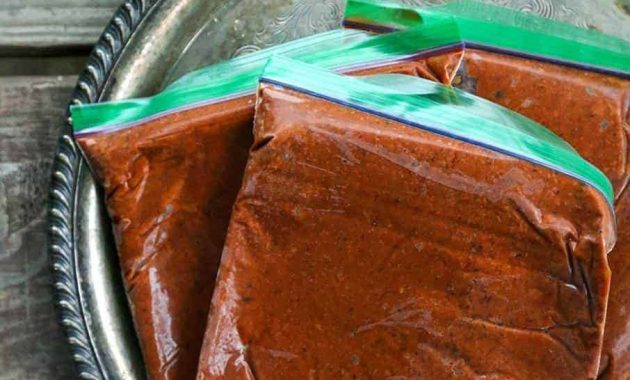
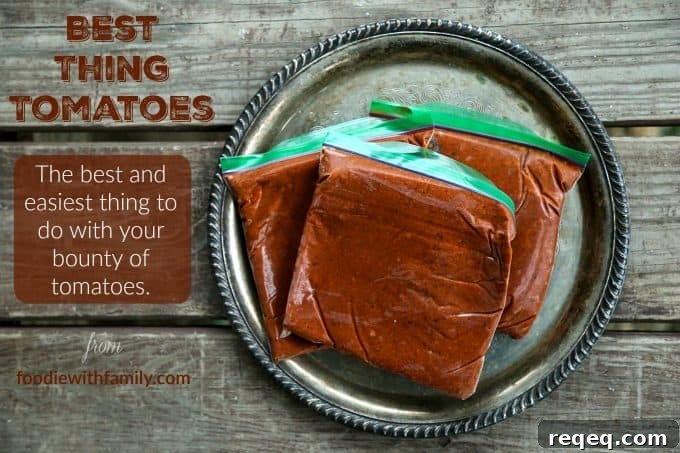
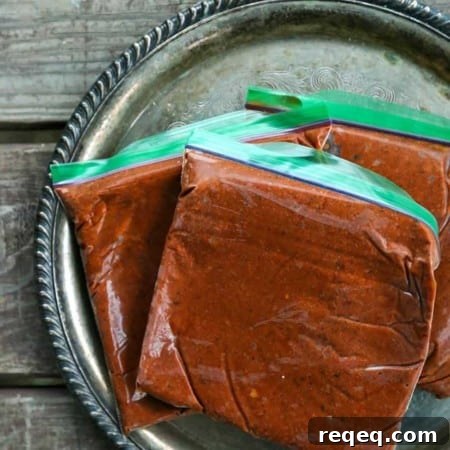
Once blended, pack the purée into sandwich-size zipper bags (flatten to freeze more compactly) or small jars or containers. Remove excess air from bags, freeze until solid, then store frozen bags in a larger resealable bag. Label clearly—tomato purée can look like other frozen items, so labeling helps prevent mix-ups.
Connect with Foodie with Family
facebook | pinterest | instagram
Best Thing Tomatoes
Rebecca Lindamood
Ingredients
Per Half Sheet Pan:
- 3 to 4 pounds roma tomatoes cored and quartered
- 3 to 4 pounds beefsteak or vine ripe tomatoes cored and quartered
- 2 onions peeled, root end removed, cut into wedges
- 1 head garlic peeled and left whole
- 1 bunch thyme leaves stripped from the stems
- 1 bunch oregano leaves stripped from the stems
- 1 tablespoon kosher salt
- 1 teaspoon freshly ground black pepper
- 1/4 cup extra virgin olive oil
Also needed:
- 1 cup to 1 3/4 cups pinot noir or pinot grigio or 3/4 cup balsamic vinegar mixed with 1/2 cup water
Instructions
-
Arrange tomatoes on a rimmed half sheet pan. Scatter onion wedges, whole garlic cloves, stripped herb leaves, salt, and pepper over the tomatoes. Drizzle evenly with olive oil. Place the pan (or multiple pans if you have them) in the oven and set to 350°F (standard oven).
Roast for at least 4 hours and 30 minutes*, or until the tomatoes have shriveled, are deeply caramelized, and smell intensely of roasted tomato. There should be some darkening at the edges and caramelized onions and garlic. Remove from the oven and scrape the contents into a blender or food processor. Add the wine or the balsamic-and-water mixture and blend until smooth. Portion into small freezer bags or containers and freeze up to a year.
Notes
If you prefer no char, check around two hours. For the deepest concentrated flavour, roast closer to four and a half hours.
Nutrition
Nutritional information is an estimate. Calculate with your specific ingredients if needed.
Did you make this recipe?
Tag @foodiewithfam on Instagram and use #foodiewithfamily so the author can see your results.
Save