
I partnered on this post with the Iowa Corn promotion board. All photos, recipes, and opinions are my own.
I was fortunate to visit Iowa in September for a concise but memorable overview of the many uses of corn. At first glance, you might think, “Well, of course—corn is food.” I thought the same before the trip. Now I’m surprised by how many foods and products actually contain corn, which suits me fine since I love it.
What foods is corn in?
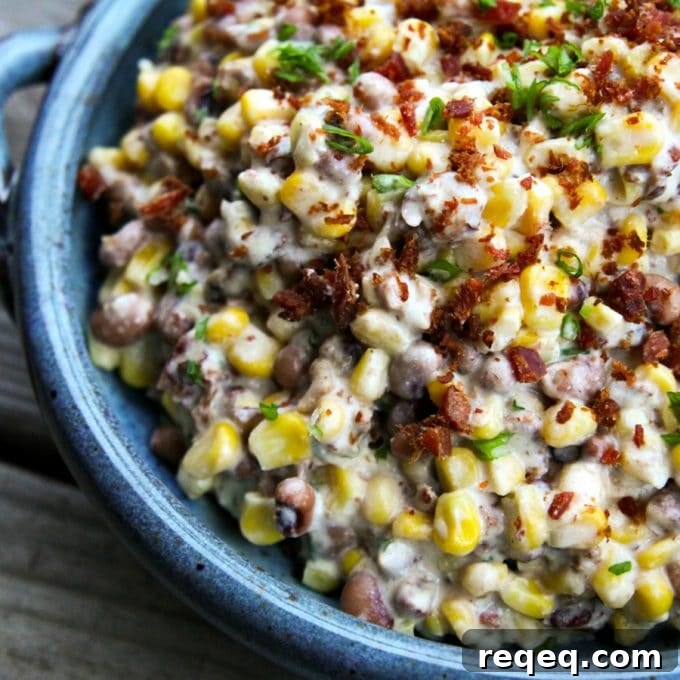
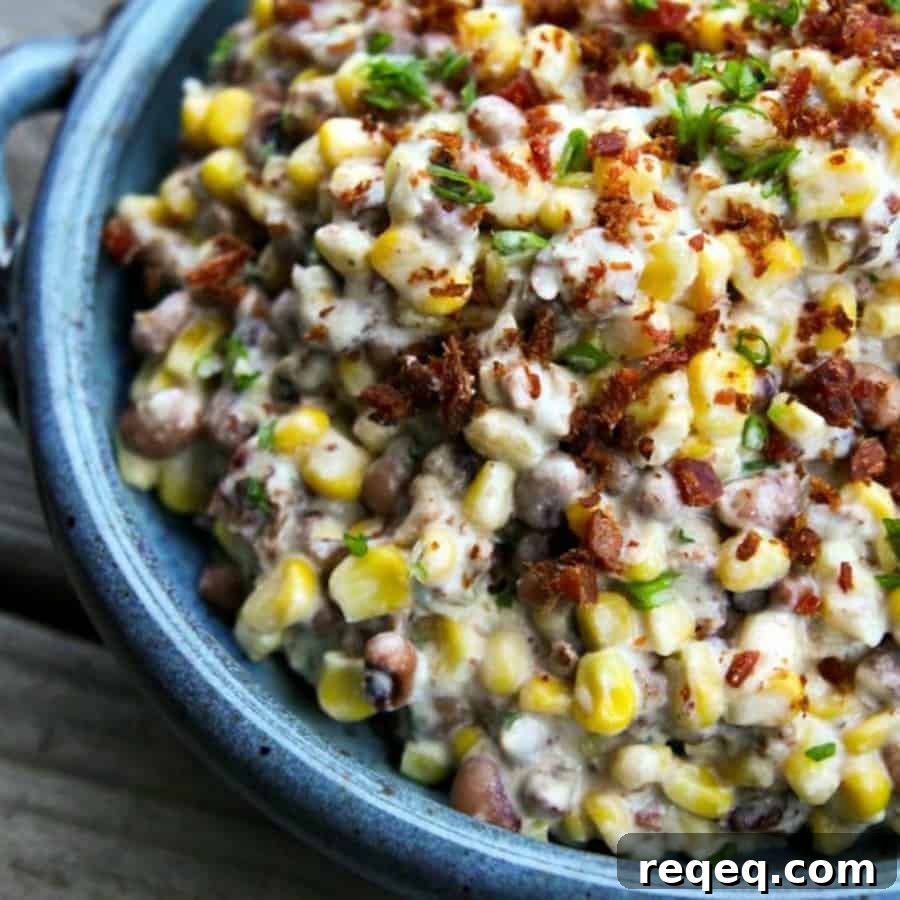
Corn appears in both obvious and surprising places. On my site I have over 300 corn recipes, including favorites like Hot Corn Dip, Slow Cooker Black Bean Bacon Corn Dip, Black Bean and Corn Tacos, Salted Caramel Corn, and Roasted Corn Potato Chowder.
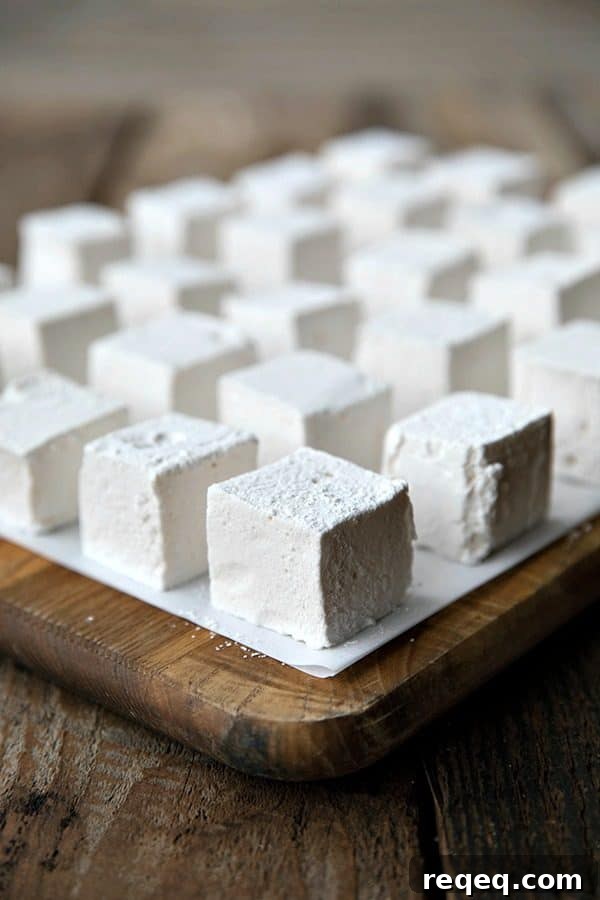
Beyond dishes that feature whole corn kernels, many foods rely on corn ingredients: cornmeal (Grandma’s Buttermilk Cornbread), corn syrup (homemade marshmallows), and cornstarch (Cheater Sesame Chicken). Tortilla chips, Fritos, corn flakes, polenta, corn oil, and products containing maltodextrin or treacle are all corn-based. Realizing how much of my diet includes corn was eye-opening.
What else is corn in?
Corn’s uses extend well beyond the kitchen. Cornstarch can appear in cosmetics and pharmaceuticals, but that’s only the beginning. Corn goes into livestock feed, bio-plastics (biodegradable utensils and packaging), batteries, matches, textiles (including carpet), crayons, and ethanol fuel.
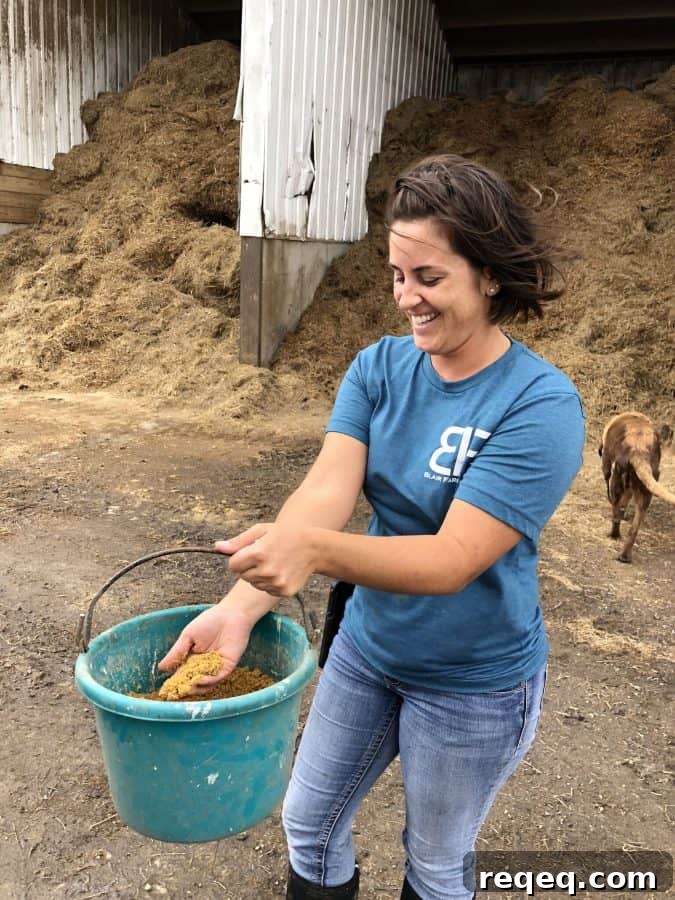
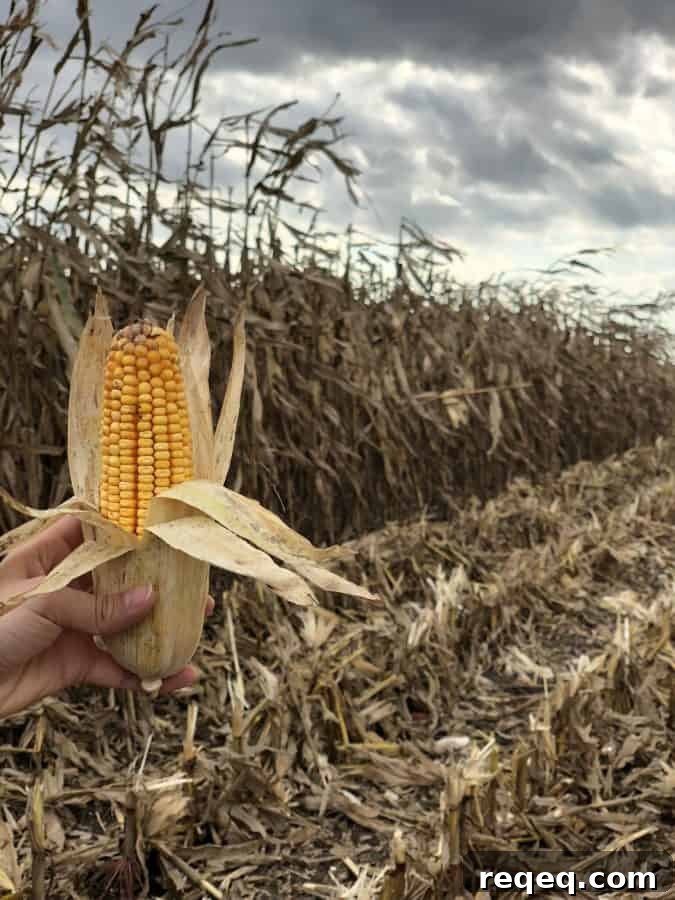
During our Iowa visit we toured multi-generational corn farms where farmers explained how they use the whole plant to support livestock. It’s not only the kernels—the stalks and other parts are valuable, too.

We also rode in the pace car at the Iowa Speedway—my kids were jealous. The ride topped 120 mph and felt a lot faster than it looked on video. Before the thrill, we learned about corn’s connection to fuel in the United States.
What is ethanol?
Ethanol is a fuel produced by fermenting corn. It’s commonly blended with gasoline in the United States to reduce particulate emissions and improve combustion characteristics.
Doesn’t ethanol take food from animals?
Not exactly. Corn processed for ethanol generates co-products that feed animals. When corn is fermented and distilled, the ethanol is recovered as the liquid fuel, while the remaining non-fermentable components—protein, germ, and fiber—become distillers grains. These co-products are nutrient-dense feed ingredients for livestock.
What about the waste in ethanol?
Distillers grains are roughly 40% protein and high in fiber, making them a valuable feed source. So the parts of the corn that don’t turn into ethanol still support animal nutrition. Even the carbon dioxide produced during ethanol production is captured and reused for applications like freezing ice cream and making dry ice. Farmers and ethanol producers describe the process as “sweeping the floor clean,” because very little goes to waste.
Is ethanol clean?
During our trip, the American Lung Association demonstrated differences between gasoline and ethanol combustion. In a simple test using two small lamps—one burning gasoline and the other ethanol—the gasoline lamp produced visible black smoke and particulates, while the ethanol lamp burned cleanly with no noticeable smoke. This demonstration highlighted ethanol’s potential to reduce particulate emissions when used responsibly.
If you’re curious about corn’s many roles—from food to fuel—Iowa Corn is a great resource for more information.