
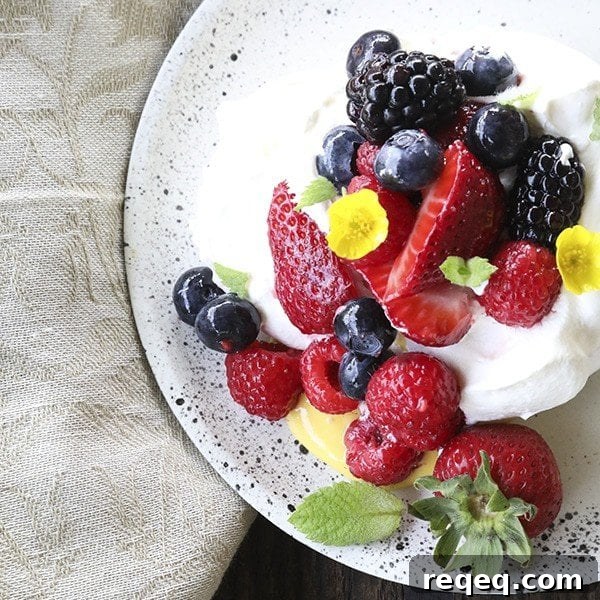
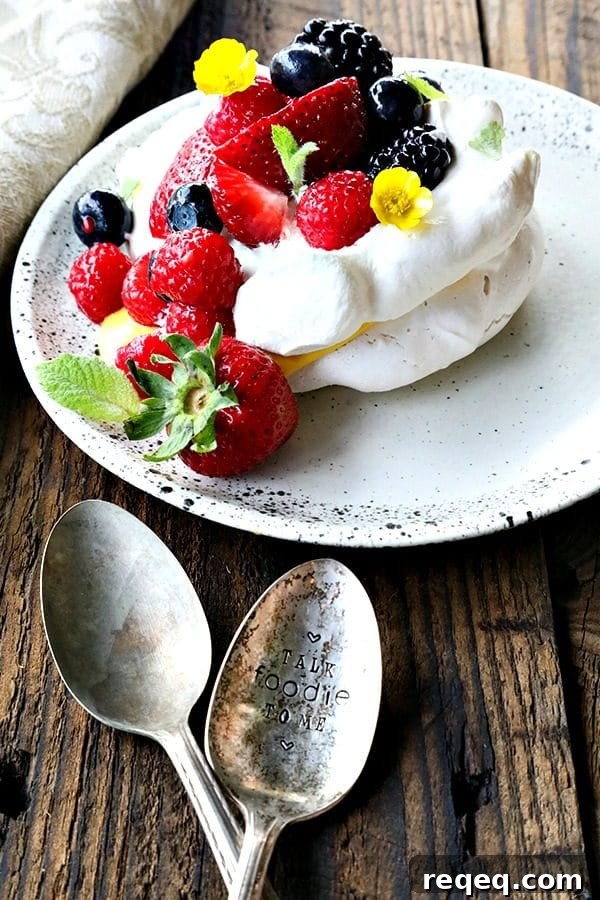
Ethereally light, crisp on the outside, and marshmallowy on the inside, my Mini Pavlova Recipe is as simple as it is stunning. If you can whip cream, you can make a perfect Mini Pavlova.
This post was inspired by pavlovas I enjoyed on a Caribbean cruise. All recipes, photos, and opinions are my own.
Pavlovas: you either love them or haven’t tried them. These Mini Pavlovas are delicate yet sturdy, with a crisp shell and soft, marshmallowy center. They’re surprisingly easy to make at home.
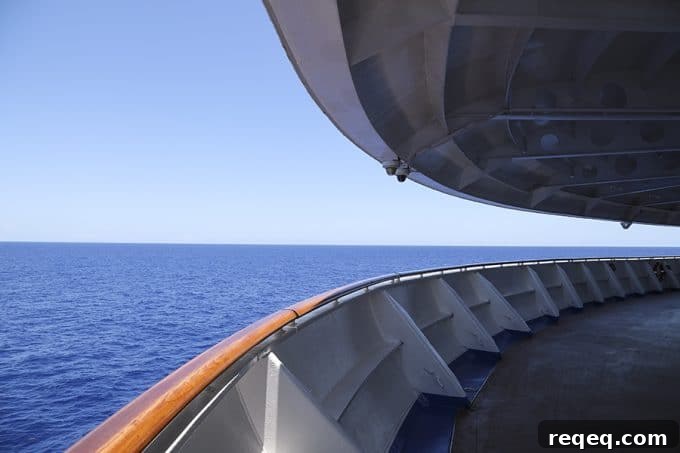
I first decided to recreate these tiny pavlovas after sampling them on a Princess Cruises trip. I picked one up from the ship’s International Marketplace and took it to a quiet spot on deck to read. It held up beautifully on the buffet in warm weather, which made me curious about how it was made.
Knowing that cruise chefs prepare everything from scratch, I guessed the secret was technique rather than shortcuts. Back home I experimented and learned a few surprising lessons: very fresh farm eggs aren’t ideal for pavlovas, and cold liquid egg whites often performed better in my tests than room temperature whites.
After many batches, I developed a reliable method that consistently produces perfectly shaped, crisp-on-the-outside, soft-on-the-inside mini pavlovas. Below I’ve summarized what worked best for me so you can make a batch with confidence.
How to make foolproof pavlovas
The recipe is straightforward, but there are a few rules that will improve your success rate.
Use liquid pasteurized egg whites from the refrigerated dairy section for the most consistent results. Even a tiny bit of yolk will prevent the whites from reaching the proper volume. If you do separate your own eggs, be extra careful to avoid any yolk contamination.
Contrary to many recipes, I found that starting with cold egg whites and whipping them a bit longer yielded better texture. Start the mixer on low and gradually increase speed every 30 seconds until you reach medium; this produces finer, more even bubbles. When the whites are frothy and small bubbles form, increase to medium-high and slowly add the sugar mixture.
Regular granulated sugar works well; superfine or caster sugar is fine too. If you only have raw or demerara sugar, pulse it briefly in a food processor so it dissolves more easily. I also prefer cream of tartar over vinegar as a stabilizer—it gave more reliable results.
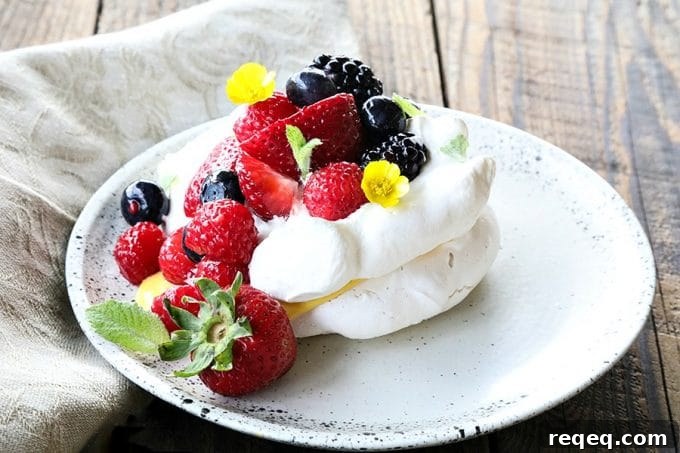
For shaping, spooning the meringue into mounds is simpler and often yields better texture than piping. Use two tablespoons to create 10–12 mounds and make a small indentation in each to hold toppings.
Rules for perfect pavlovas
1. Make sure your mixing bowl and whisk (or stand mixer bowl and attachment) are spotless and free of grease—any fat will prevent the whites from whipping properly.
2. Don’t overwhip. Aim for thick, glossy whites with small, even bubbles and stiff peaks that just hold their shape with a slight tip fold.
3. Use parchment paper or a Silpat on your baking sheet. This is essential to prevent sticking and breaking when removing the pavlovas.
4. Place the pan in the center of the oven and resist opening the door. Open only once halfway through the bake to rotate the pan for even cooking.
Cook’s Notes
Measure the granulated sugar and cornstarch and whisk them together before you begin.
Sprinkle cream of tartar and a pinch of salt over the egg whites before whipping. Start the mixer on low, and every 30 seconds raise the speed one setting until you reach medium. Continue until the whites are frothy with small, even bubbles.
Increase to medium-high and add the sugar mixture about a tablespoon at a time, aiming the sugar against the bowl wall to avoid a cloud of sugar. After all the sugar is incorporated, mix for 3–4 minutes to help dissolve it.
Add vanilla, increase speed to high, and whip until thick, glossy, and at stiff peaks—about 4–5 minutes. The peaks should hold their shape with just the tips folding over.
Use two tablespoons to portion 10–12 mounds on a parchment- or Silpat-lined sheet, leaving space for air circulation. Make a shallow well in each mound for toppings.
Bake at 275°F for 50–60 minutes. Open the oven only once at about 30 minutes to rotate the pan front-to-back (and top-to-bottom if using multiple pans). Continue baking until the exteriors are dry and crisp and pavlovas lift easily from the paper.
Let the pavlovas cool completely in the oven with the door closed for the longest shelf life. Store untopped pavlovas loosely wrapped at room temperature. To re-crisp, warm on a parchment-lined pan in a 200°F oven for 15 minutes.
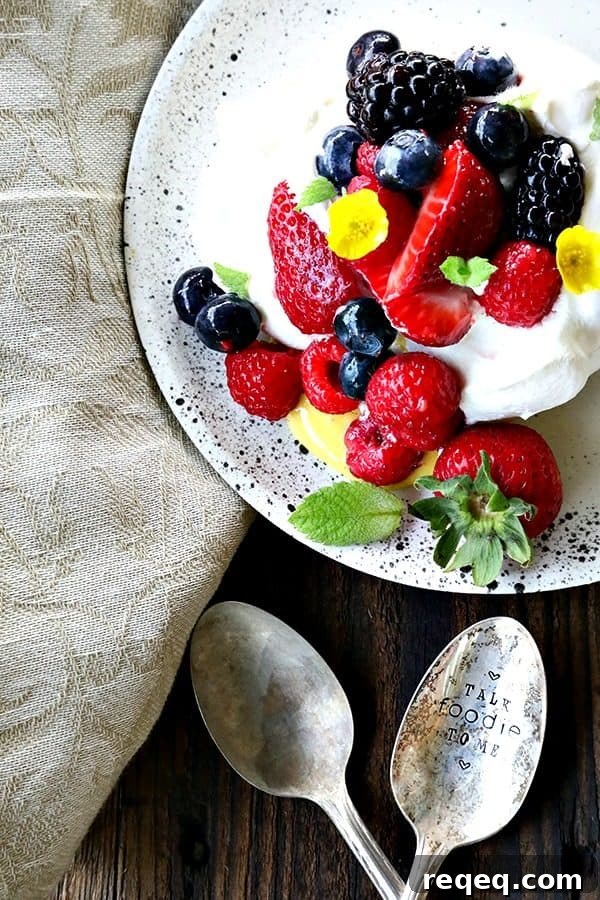
How to top a Mini Pavlova
Top your mini pavlovas with any combination of the following:
- Lemon curd, lime curd, or any fruit curd
- Blueberry sauce
- Whipped cream
- Mixed berries
- Citrus segments with mint
- Seasonal fruit
Tools that make this easier
- Stand mixer or hand mixer
- Liquid measuring cup
- Parchment paper or Silpat
- Half sheet pan
Perfect Mini Pavlova Recipe
Rebecca Lindamood
Ingredients
- 1 1/2 cups granulated sugar
- 1 1/2 tablespoons cornstarch
- 3/4 cup liquid 100% egg whites (6 ounces)
- 1 1/2 teaspoons cream of tartar
- pinch salt
- 1 1/2 teaspoons pure vanilla extract
Instructions
-
Whisk together the granulated sugar and cornstarch in a small bowl and set aside. Preheat the oven to 275°F and position a rack in the center. Line a half sheet pan with parchment paper or a Silpat.
Pour liquid egg whites into a clean stand mixer bowl fitted with a whisk, or into a large mixing bowl for a hand mixer. Sprinkle the cream of tartar and a pinch of salt over the whites.
Begin whipping on low. After 30–60 seconds raise the speed one setting, then every 30 seconds raise it another notch until you reach medium. Continue on medium until the whites are frothy with small, even bubbles.
Increase to medium-high and slowly add the sugar mixture, about a tablespoon at a time, aiming for the bowl wall to avoid a sugar cloud. After all sugar is added, mix for 3–4 minutes to help it dissolve.
Add vanilla, raise the mixer to high, and whip until thick, glossy, and at stiff peaks—about 4–5 minutes.
Use two tablespoons to portion 10–12 mounds onto the lined sheet, leaving space between each. Make a shallow indentation in each for toppings.
Bake 50–60 minutes, opening the oven only once at about 30 minutes to rotate the pan. Continue baking until the exteriors are dry and crisp and the pavlovas lift easily from the parchment.
Let the pavlovas cool completely in the oven with the door closed. Top as desired and store untopped pavlovas loosely wrapped at room temperature.
Nutrition
Nutritional information is an estimate and provided as a courtesy. Calculate values with the actual ingredients you use if needed.
Did you make this recipe?
Tag your photos on Instagram so I can see your creations!
Love this Mini Pavlova Recipe? Try these fruit desserts for more inspiration.
- Berry Skillet Cake
- Triple Berry Choux Cake
- Berry Crumb Bake with Vanilla Glaze
- Big Batch Crisp Toppings and Any Fruit Crisps
- Whole Cherry Clafoutis
- Whiskey Peach Cobbler
- Modern Peaches and Cream Rice Pudding