
I loved partnering with Pork.org to create this guide on How to Cook Pork and Which Cuts to Use for Recipes. All photos unless otherwise noted are my own, and the opinions expressed are mine.
Many readers ask me how to cook pork and which cuts to choose. With so many cuts and cooking methods, it’s easy to feel confused. Different cuts require different techniques and cooking times, so there isn’t a single approach that fits all pork.
Tips for Buying the Best Pork
- Choose deeper-coloured pork. A richer pink or red indicates more flavor.
- Avoid packages with excessive liquid in the tray. Large amounts of purge can lead to drier meat when cooked.
- Select the cut that fits your cooking method. For example, don’t flash-cook a pork shoulder or slow-cook a tenderloin. Match cut to technique for the best results.
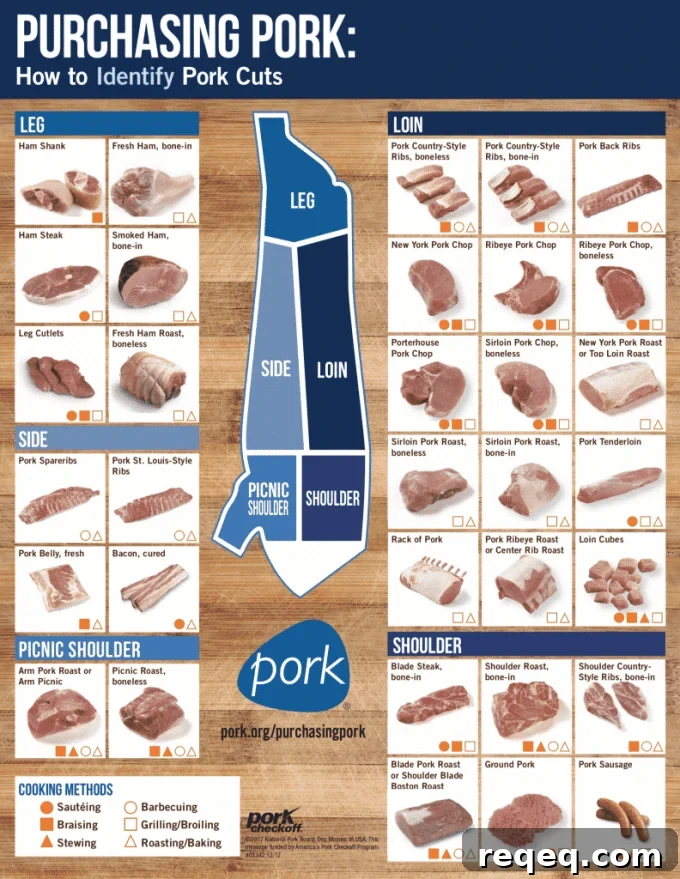
Infographic used with permission from Pork.org.
To help you navigate choices, I’ve compiled a practical How to Cook Pork Guide covering 10 commonly available cuts, what they’re best for, and the recommended cooking approaches.
How to Cook Pork and Choose the Right Cut of Pork for Recipes Guide
How to Cook Bacon
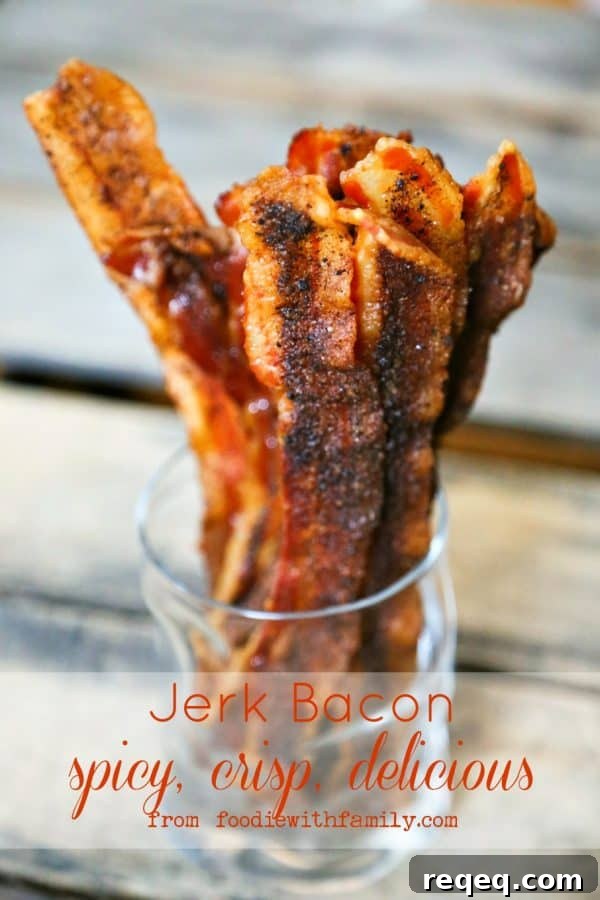
Bacon lovers each have a preferred method, but baking bacon in the oven is my favorite. It yields evenly cooked strips and lets you make a large batch at once.
For even rendering and flat strips, lay bacon in a single layer on a rimmed sheet pan and start in a cold oven set to 425°F. As the oven and bacon heat up, the fat renders gradually, producing consistent results.
Line the pan with parchment paper or foil for easier cleanup, and reserve the rendered fat in a jar for frying vegetables, greasing pans, or other uses. For candied or heavily glazed bacon, place strips on a cooling rack set inside a lined pan so the glaze can crisp evenly.
How to Cook Pork Shoulder
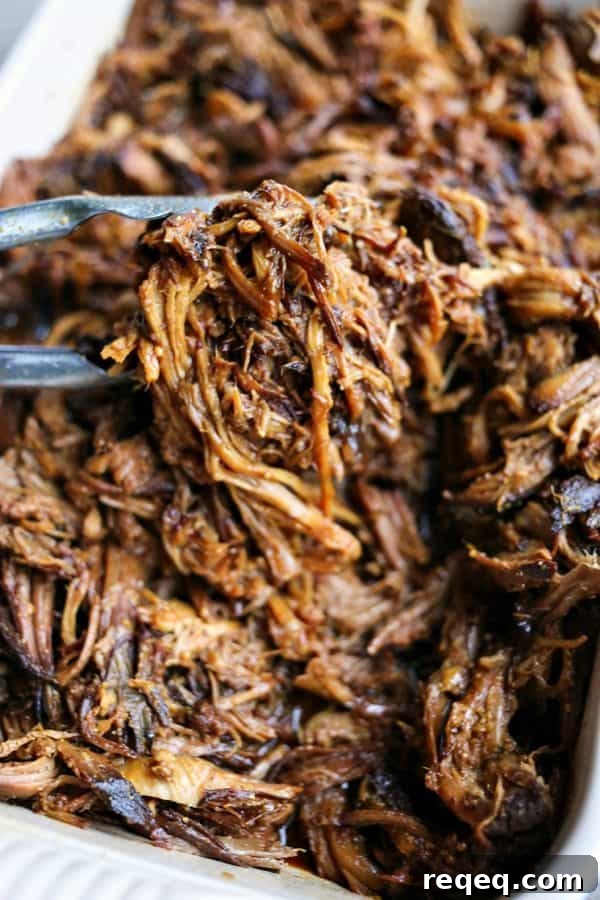
Pork shoulder is economical and flavorful thanks to good marbling. It’s ideal for slow, moist methods like braising or low-and-slow roasting.
Optimum Pork Shoulder Cooking Temperature: 170°F or until the meat pulls apart easily with forks or tongs. Although pork is technically safe at 145°F, shoulder benefits from higher temperatures (170–190°F in the resting period) to melt collagen and fat, producing tender, juicy pulled pork.
Use shoulder for slow-cooker recipes, braises, stews, and pulled-pork sandwiches. Leftovers work great in sandwiches, tacos, sliders, casseroles, and more.
How to Cook Bone-In Ribeye Pork Chops
Bone-in ribeye pork chops are flavorful and forgiving. They sear nicely in a hot skillet and finish well in the oven with a pan sauce.
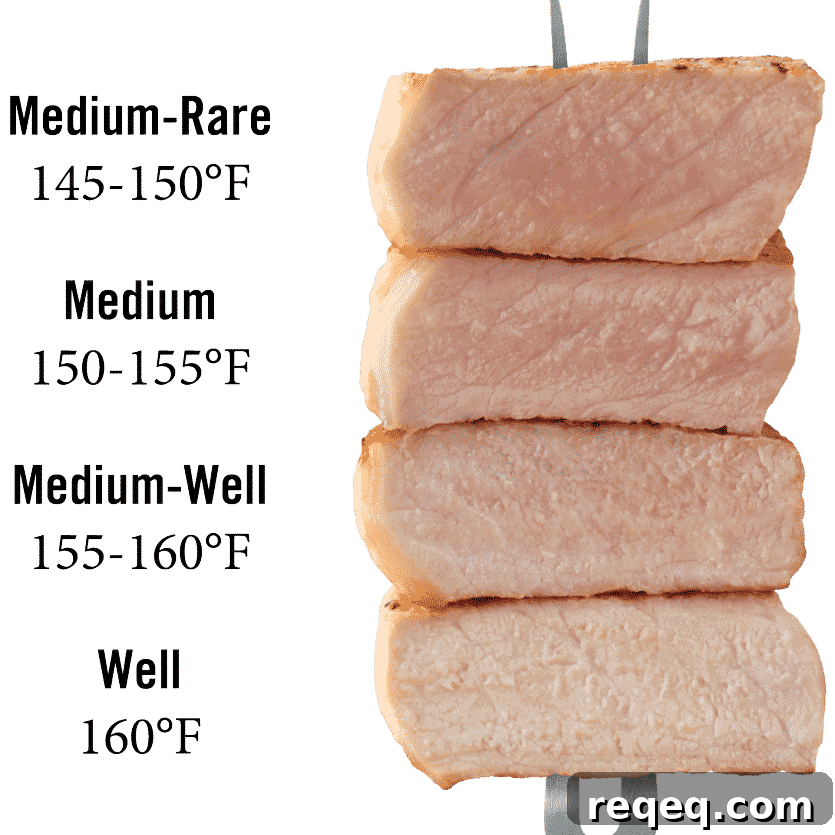
Optimum Bone-In Ribeye Pork Chop Cooking Temperature*: 145°F for medium rare, 150°F for medium, 155°F for medium well, and 160°F for well done.
These chops make a reliable weeknight or special-occasion meal when seasoned and cooked properly.
How to Cook New York or Boneless Center Cut Pork Chops
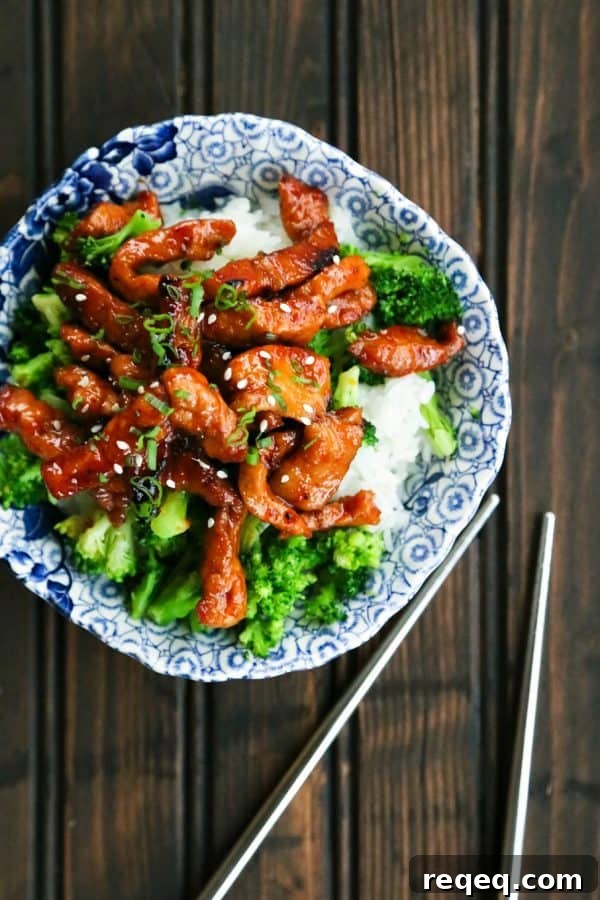
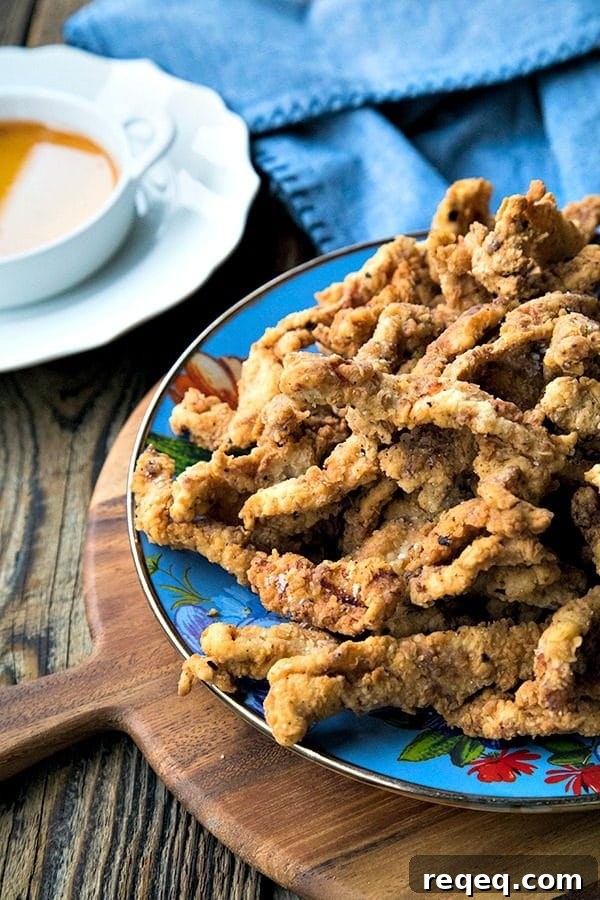
Boneless New York pork chops are versatile and quick-cooking. They hold seasonings well and are perfect for pan-frying, grilling, or quick oven finishes.
Optimum New York Pork Chop Cooking Temperature*: 145°F for medium rare, 150°F for medium, 155°F for medium well, and 160°F for well done.
Use them for breaded pork tenders, glazed chops, or any simple skillet recipe that benefits from a fast, high-heat approach.
How to Cook Pork Bone-In or Boneless Country Style Ribs
Country-style ribs are richly marbled and excel when cooked slowly to render connective tissue and fat.
Optimum Country Style Ribs Cooking Temperature: 170°F or until they fall apart easily. Like shoulder, country ribs become silky and tender when cooked low and slow.
They’re excellent for pulled pork, slow-simmered sauces, and hearty braises. Don’t rush this cut—time is the key to achieving the best texture and flavor.
How to Cook Pork Back Ribs or Spare Ribs
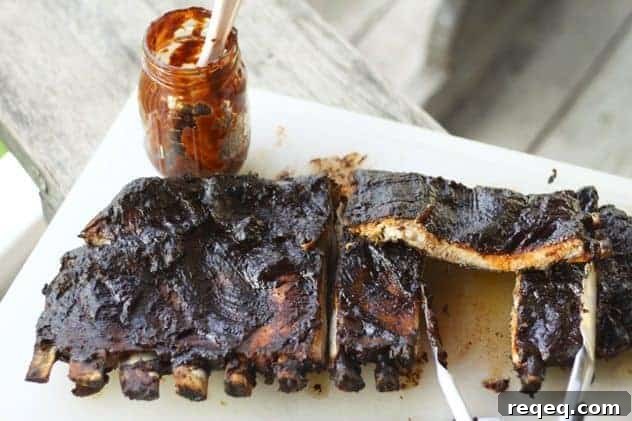
Back ribs and spare ribs require slightly different techniques. Spare ribs stand up well to grilling, smoking, broiling, or barbecuing. Back ribs do exceptionally well when braised slowly in a covered pan or foil packet and then finished on the grill with sauce.
Optimum Ribs Cooking Temperature: 190°F for Back Ribs, or 180°F for Spare Ribs, or until the meat pulls away from the bone easily. Although safe at lower temperatures, slow cooking to higher internal temps gives better texture as collagen melts.
Look for a gentle wiggle of the bones and meat that pulls away easily as signs the ribs are done.
How to Cook Pork Tenderloin
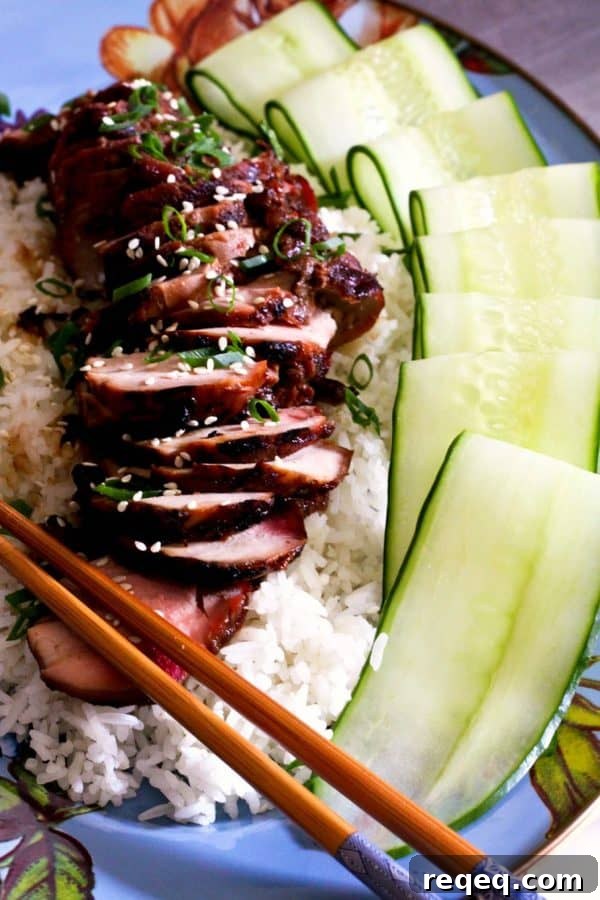
Pork tenderloin cooks quickly and adapts to many methods: pan-searing, grilling, roasting, or broiling. It benefits from high heat and brief cooking to preserve juiciness.
Optimum Pork Tenderloin Cooking Temperature*: 145°F for medium rare, 150°F for medium, 155°F for medium well, and 160°F for well done.
Tenderloin works well with bold marinades and quick sauces, and is a great choice for weeknight dinners or special occasions when you want a fast, elegant roast.
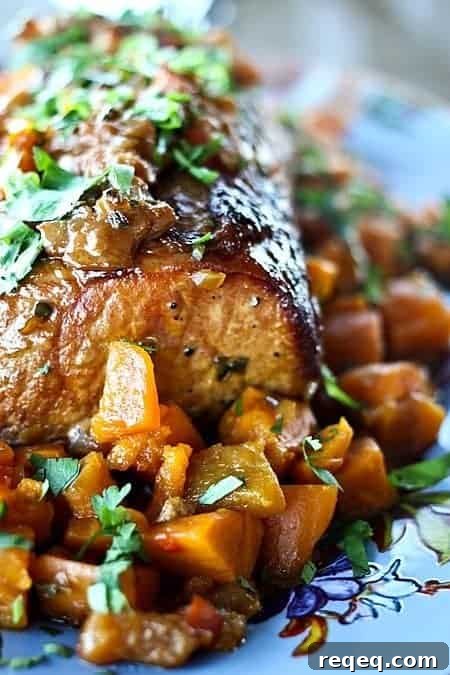
How to Cook New York Pork Roast a.k.a. Center Cut Pork Loin or Roast
This roast is forgiving and versatile — roast, bake, or grill it. It handles many seasonings and can be dressed up for a crowd.
Optimum New York Pork Roast Cooking Temperature*: 145°F for medium rare, 150°F for medium, 155°F for medium well, and 160°F for well done.
It also adapts to slow-cooker preparations for flavorful, hands-off roasting when time is limited.
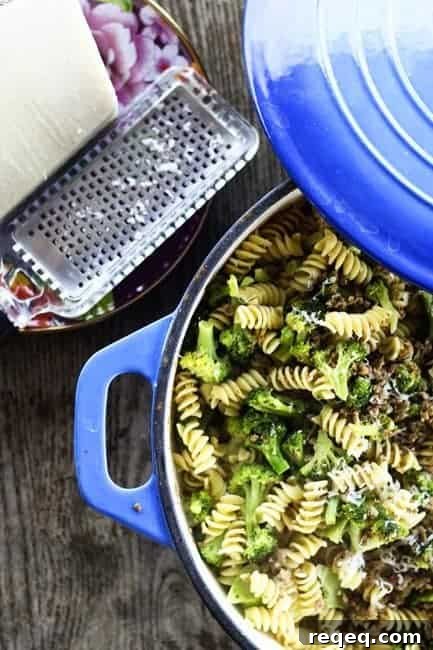
How to Cook Ground Pork
Ground pork cooks similarly to ground beef: break it apart in a hot pan and brown thoroughly. Because it’s processed, cook ground pork to a higher internal temperature.
Optimum Ground Pork Cooking Temperature: 160°F
Ground pork is great in tacos, soups, meatloaf blends, Chinese dishes like mapo tofu, dumplings, or homemade sausages. It adds tenderness and flavor when combined with other meats.
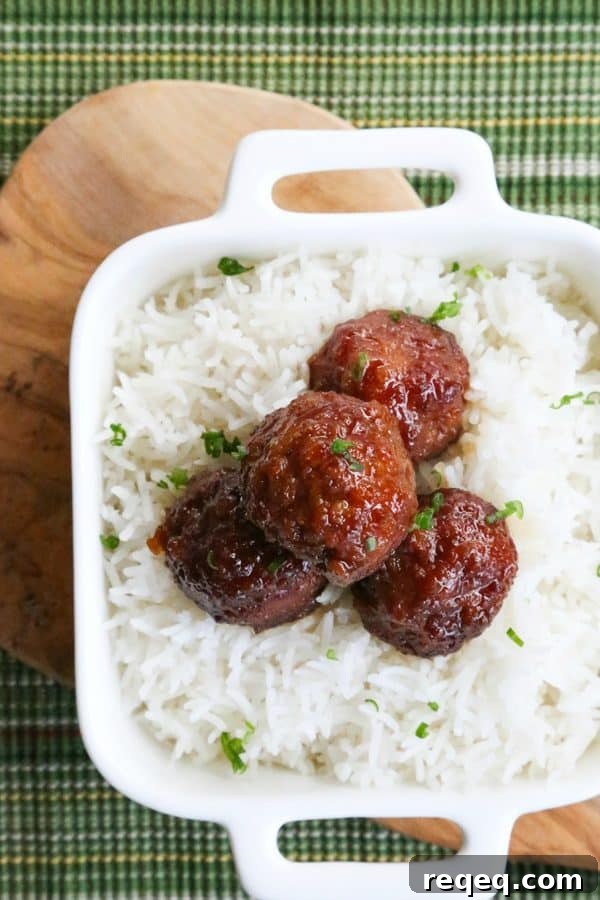
How to Cook Ham Steak
Ham steaks are widely available and budget-friendly. They reheat and cook quickly and are a useful pantry staple.
Optimum Ham Steak Cooking Temperature: 145°F*. Although often labeled ready-to-eat, fully cooked ham steaks should be heated to this minimum temperature for best results and food safety.
Pan-fry ham steaks for a few minutes per side for color and flavor, or dice and use them to add smoky-salty notes to soups, fried rice, or casseroles. Ground ham also works well in dips, spreads, and classic ham-ball recipes.
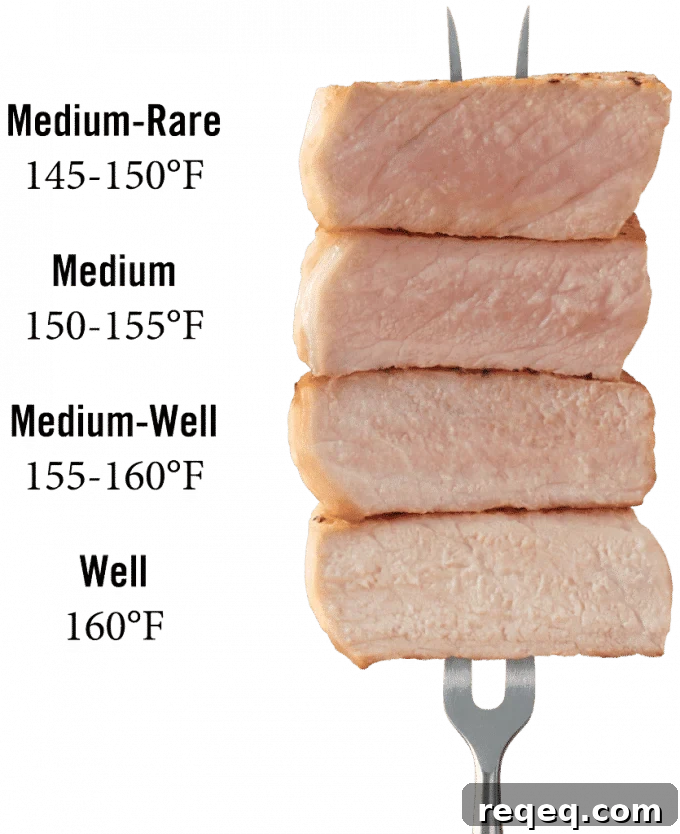
Graphic courtesy of Pork.org
Why has the recommended pork cooking temperature changed?
Previously, the recommended minimum internal temperature for pork was 160°F. Improvements in farm biosecurity and animal health have allowed the USDA to lower the recommendation for whole cuts of pork to 145°F. This change lets you enjoy juicier pork without sacrificing safety.
Note: The 145°F recommendation applies only to intact cuts of pork (not ground, enhanced, or mechanically tenderized products). Ground and enhanced pork products still require higher temperatures.

Photo courtesy of Pork.org
I visited pig farms with the Pork Board and saw firsthand how modern practices improve pig health and food safety. Many farmers use filtration, biosecurity protocols, climate control, and detailed record-keeping to protect animal welfare and product quality.
*Please note: cooking method recommendations apply regardless of production system, but the 145°F temperature guidance specifically applies to commercially produced pork. The USDA still recommends 160°F for pork raised privately without USDA oversight.
Are hormones used in pork production?
In the United States it is illegal to use hormones in pork production. Labels claiming “hormone-free” are redundant for commercially produced pork, because added hormones are not permitted.
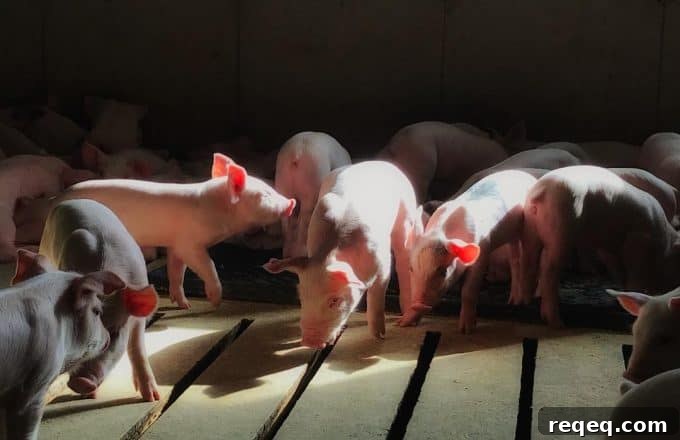
Photo by — and used with permission from — Erin Brenneman, a.k.a. @SowMomma
Are there antibiotics in pork?
Antibiotics are highly regulated in pork production and meat sold commercially must be free of antibiotic residues. When antibiotics are used to treat sick animals, veterinarians track and record every dose and withdrawal periods are observed before animals enter the food supply.
Herds and farms are regularly tested; any detected residues lead to disposal of affected meat and severe regulatory consequences for the farm. These protections help ensure commercially produced pork is free of antibiotic residues when it reaches consumers.