
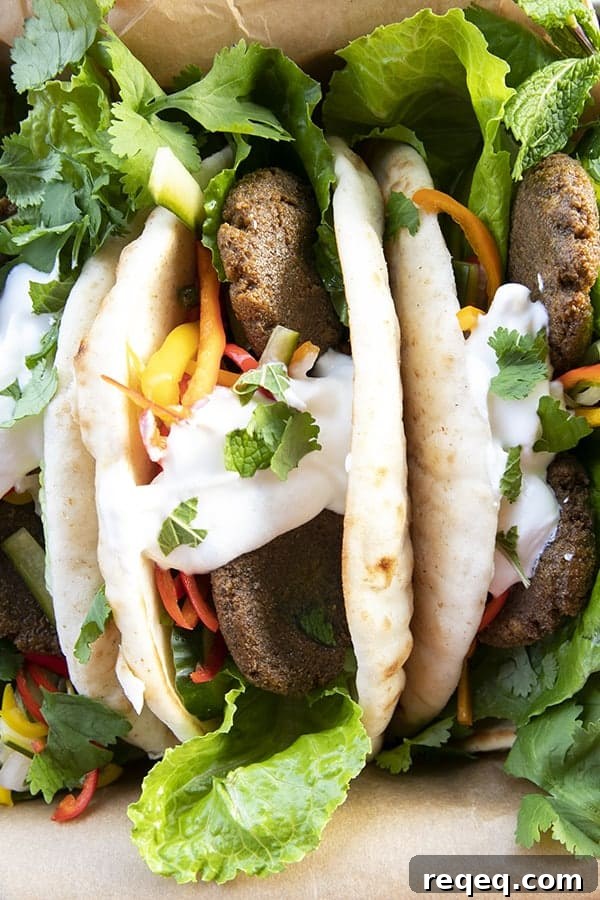
Falafel, crispy fritters made from chickpeas and Middle Eastern spices, can satisfy both committed vegetarians and devoted meat-eaters.
Getting a meat-loving family to try a meatless meal isn’t always easy in my house. My crew truly loves meat—my eldest once joked he’s “ninety-eight percent carnivore.” Still, a few vegetarian dishes have always gone over well. But when I rediscovered homemade falafel—made from dried chickpeas, fresh herbs and plenty of garlic—my family suddenly became very enthusiastic about meatless meals.
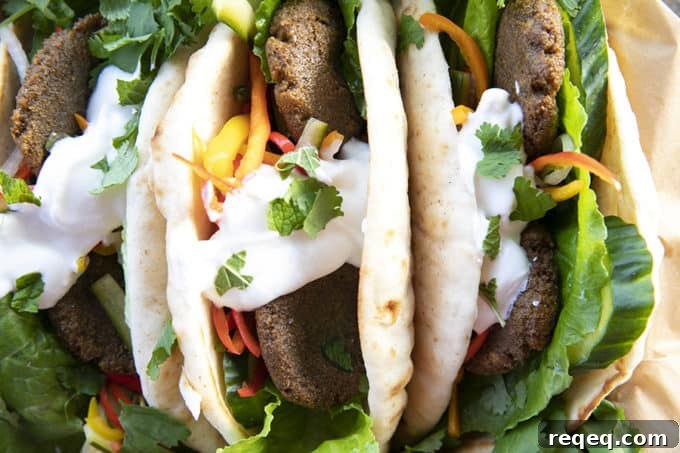
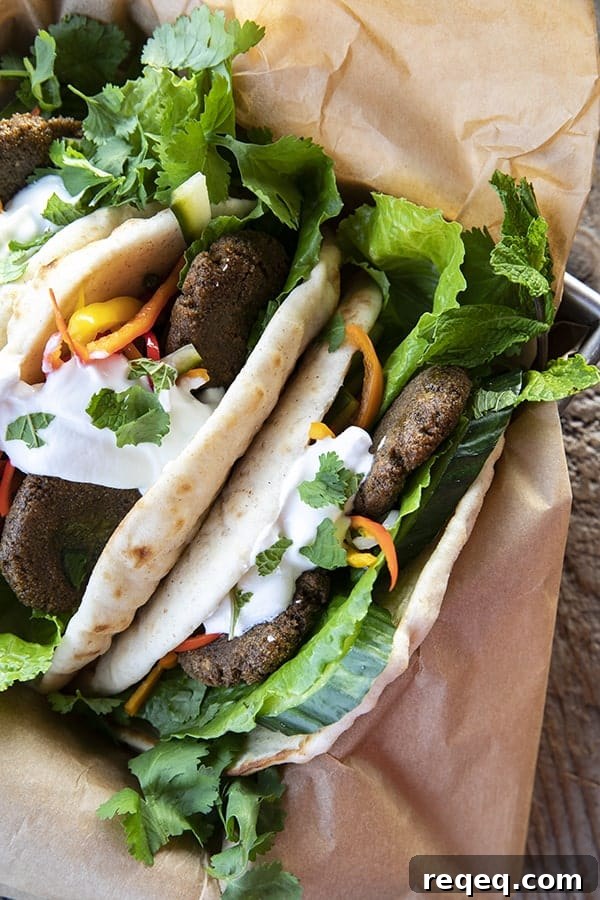
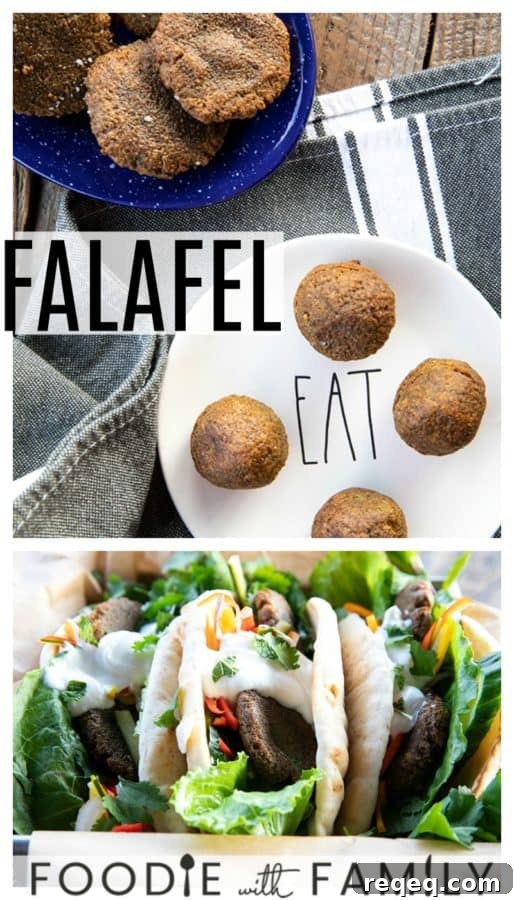
Real falafel is not the boxed mix or frozen version. It’s a fresh preparation using soaked dried chickpeas, herbs and spices that are ground, shaped and fried until golden and crisp. Wrapped in pita with tahini sauce, pickled vegetables and fresh greens, it makes a memorable sandwich or plate.
What is Falafel?
Falafel consists of ground, soaked dried chickpeas mixed with herbs, spices and a bit of flour or binder, formed into balls or patties, then fried until crisp on the outside and tender inside. The classic way to serve it is in pita with tahini sauce, tomatoes and onions, but falafel is equally good as a snack or salad topping.
Beyond being delicious, falafel is nutritious. Chickpeas provide plant-based protein, complex carbohydrates and fiber, along with minerals such as iron, magnesium and potassium, and B vitamins and folate. Falafel is naturally low in cholesterol and—when made at home—can be an economical, wholesome meal that’s full of flavor.

What makes the best falafel?
The best falafel starts with dried chickpeas soaked until softened but not cooked, plenty of fresh herbs (parsley and cilantro), lots of garlic and a balance of cumin, salt and a touch of cayenne for heat. Grind the mixture to a coarse texture—fine enough to bind but not pasty—chill it, then fry or bake. When done correctly, falafel has a crisp exterior and a light, flavorful interior.
Origins
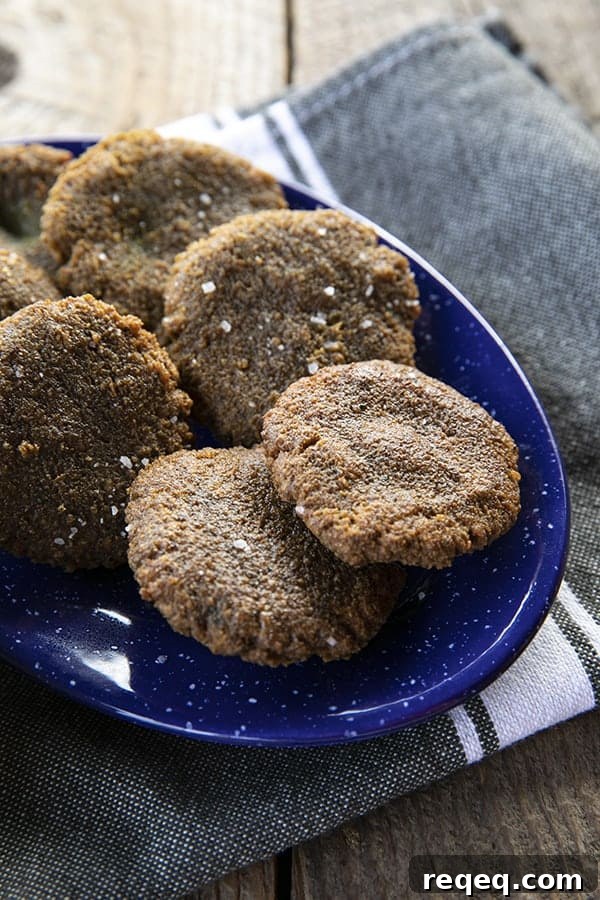
The exact history of falafel is debated, but many food historians trace its roots to Egypt. From there it spread across the Middle East and has become a popular street food and home-cooked favorite in many countries. It’s prized for its crunchy outside, spiced interior and versatility.
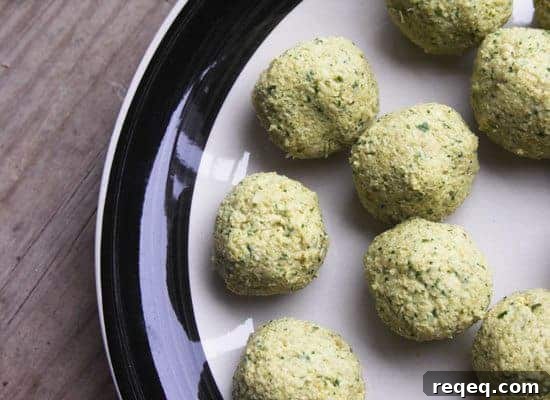
Unlike hummus, which uses cooked chickpeas blended with oil, falafel uses dried chickpeas that are soaked but not cooked. The process is simple: soak, pulse in a food processor with herbs and aromatics, rest the mixture, then fry or bake. A little prep time delivers a flavorful, wallet-friendly result.
Serve falafel in pita with tahini sauce, chopped tomatoes and onions; add it to salads like fattoush; or enjoy it as a snack with dipping sauces.
Tahini Sauce
Tahini sauce pairs perfectly with falafel. Tahini—sesame seed paste—mixed with yogurt (or water for a vegan version), lemon juice, garlic and salt creates a creamy, tangy sauce that complements the garlicky, herb-forward falafel. It’s easy to make and enhances the sandwich or platter.
Baked Falafel
If you prefer baking to frying, you can bake the formed falafel patties. They won’t be quite as crisp as fried, but they’re still delicious. Arrange the patties on a greased baking sheet and bake at 375°F for about 30 minutes, flipping halfway through, until golden and firm.
Kid-Friendly and Crowd-Pleasing
Falafel has won over even picky eaters in my house. The fried, handheld format makes it fun for kids, and the crunchy bits are irresistible. Try serving falafel with familiar sides or letting kids assemble their own pita sandwiches—this often makes vegetarian meals more appealing.
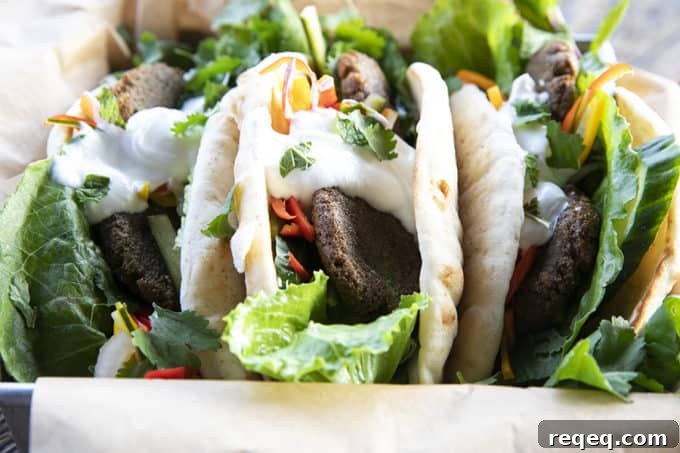
My family didn’t just tolerate falafel—they loved it. It’s a great addition to any rotation of vegetarian main dishes, alongside items like black bean tacos, roasted sweet potato burgers or mushroom stroganoff.
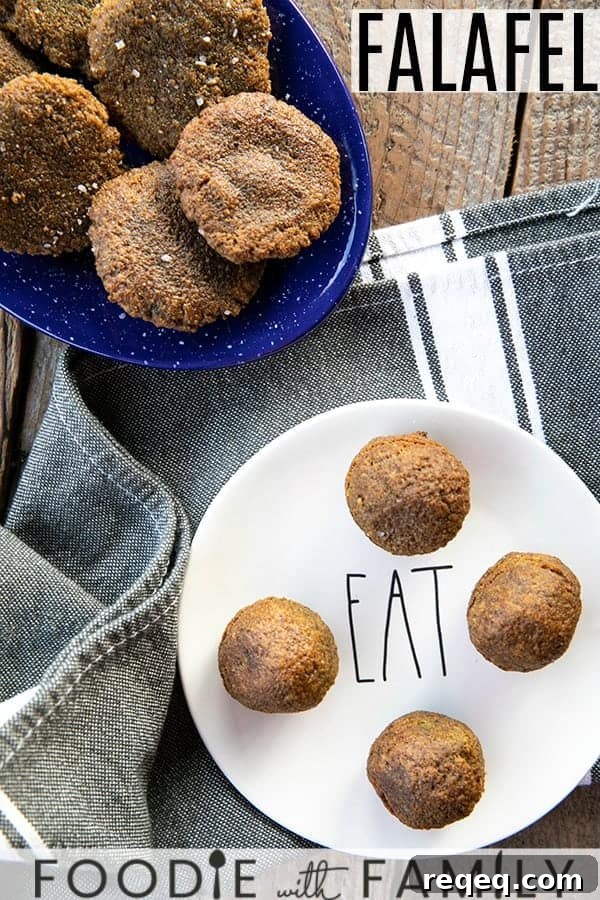
Falafel Recipe
Crispy and flavorful falafel turns a meatless meal into something everyone looks forward to.
Ingredients (serves about 6–8):
- 2 cups dried chickpeas
- 1 onion, roughly chopped
- 1/4 cup flat-leaf parsley, roughly chopped
- 1/4 cup fresh cilantro leaves, roughly chopped
- 8 garlic cloves, peeled and roughly chopped
- 2 teaspoons ground cumin
- 2 teaspoons kosher salt or sea salt
- 1–2 teaspoons ground cayenne pepper, to taste
- 1½ teaspoons baking soda
- 1/2–3/4 cup all-purpose flour (or gluten-free flour)
- Oil for frying (canola, vegetable, safflower or peanut oil)
Optional for serving: pita bread, tahini sauce, chopped tomatoes and chopped onions.
Tahini Sauce
- 1/2 cup tahini
- 1/2 cup Greek yogurt (or plain yogurt)
- 2 Tablespoons lemon juice or white wine vinegar
- 2 garlic cloves, chopped
- 1/4 teaspoon kosher salt
- Freshly ground black pepper to taste
Instructions
- Rinse and pick over the dried chickpeas, removing any debris. Place them in a bowl and cover with at least 2 inches of cool water. Cover and refrigerate for 12–24 hours.
- Drain the soaked chickpeas and add them to a food processor fitted with a blade. Add the onion, parsley, cilantro, garlic, cumin, salt and cayenne. Pulse until the mixture is finely ground but not pasty.
- Sprinkle the baking soda and 8 tablespoons of the flour over the mixture and pulse until combined. Scrape the mixture into a bowl and use your hands to work in additional flour as needed so the mixture is no longer overly sticky. Cover and refrigerate for at least 2 hours.
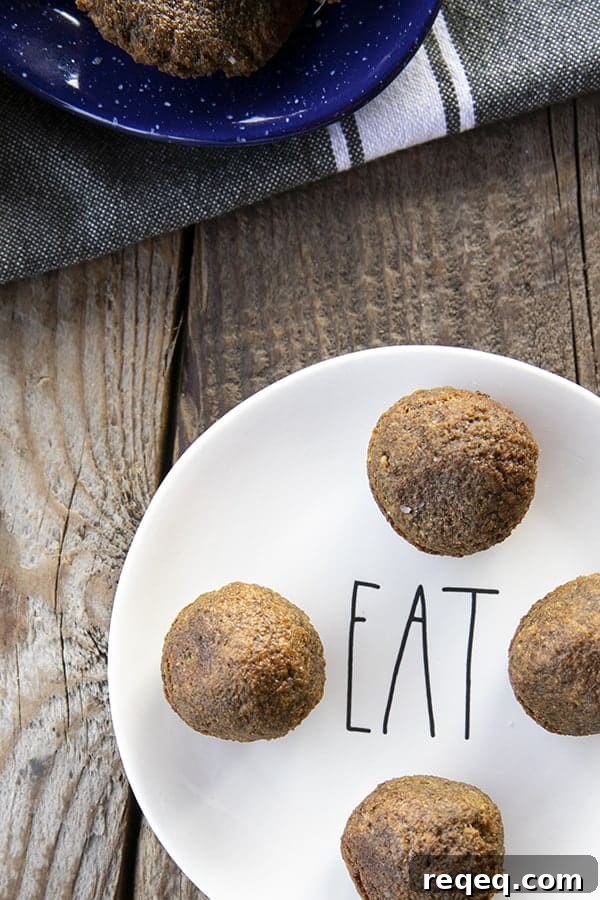
- To fry: heat about 3/4 inch of oil in a heavy, high-sided pan to roughly 375°F. While the oil heats, form the falafel into ping-pong sized balls (about 1½ tablespoons each) or flatten into patties.
- Fry about six at a time for roughly 1 minute per side until golden and crisp. Transfer to a paper towel-lined plate to drain.
- Serve hot with tahini sauce or stuffed into pita with chopped tomatoes and onions.
To make the tahini sauce
Combine tahini, yogurt, lemon juice or vinegar, chopped garlic, salt and pepper in a blender or food processor and blend until smooth. Adjust seasoning to taste and drizzle over falafel or salad.
Originally posted September 2010; updated photos, baking instructions and information February 2020.