
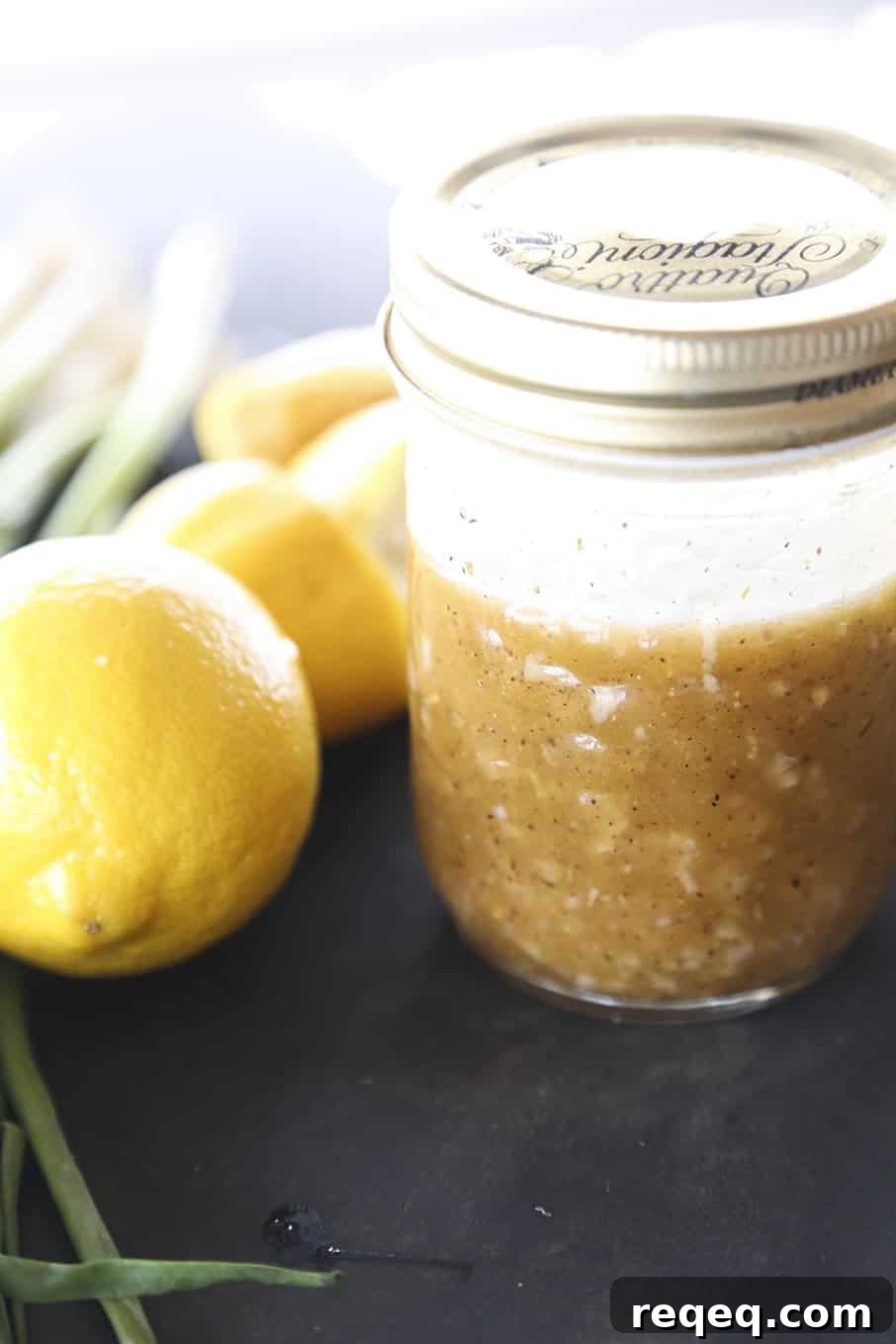
For as long as I can remember, I crave fresh vegetables, salads, and vibrant greens each January. That urge lingers through late spring until the snow melts and our garden begins to bloom. During these months, Middle Eastern food is my go-to: it overflows with herbs, garlic, and bright, fresh flavors. My quick-meal favorite right now is Fattoush, a lively salad built around crisp greens and toasted pita.
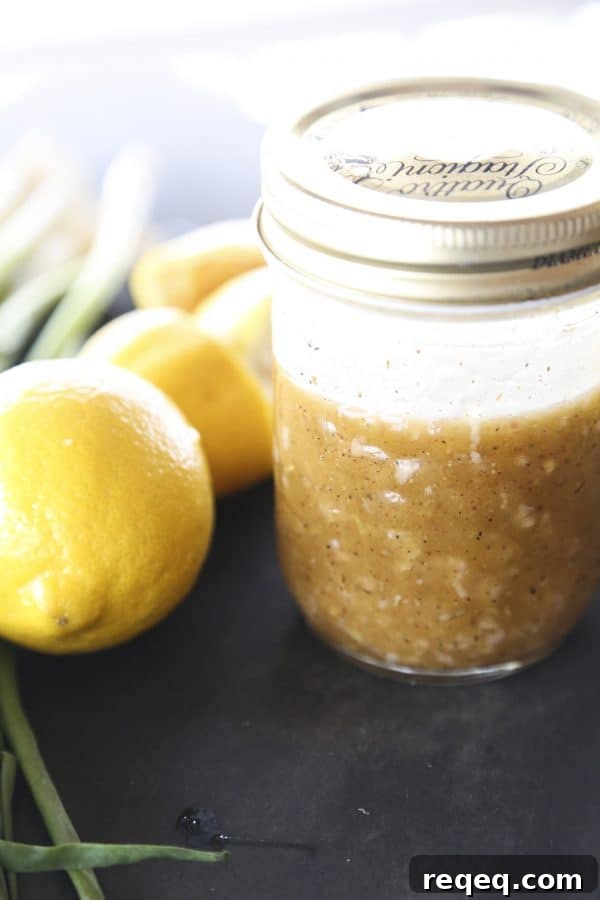
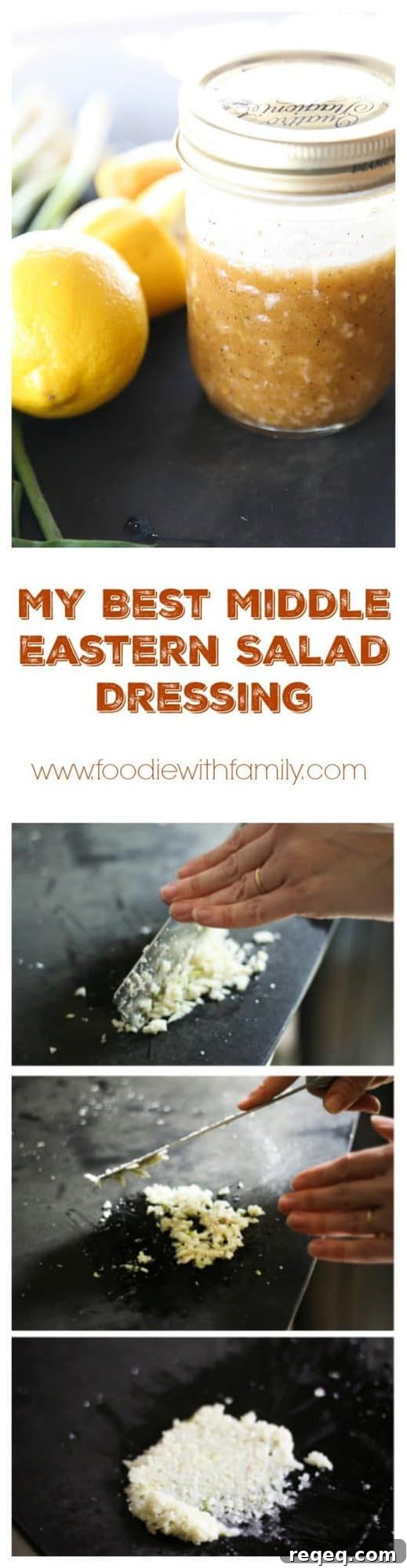
“Best Middle Eastern Salad Dressing”, you say?
Yes. This is the salad dressing of my dreams: effortless to make and intensely fresh in flavor. It combines lemon juice, extra virgin olive oil (I often use garlic-flavored olive oil), a smooth garlic paste, and just enough za’atar to lift the whole thing. Za’atar is a classic Middle Eastern spice blend—thyme, oregano, marjoram, sesame seeds, kosher salt, and ground sumac—that adds a warm, tangy herbiness similar in importance to Middle Eastern cooking as five-spice is to Chinese food or curry is to Indian cuisine.
Sumac can cause confusion because people often think of poison sumac. Culinary sumac is nothing like that: it’s a deep red powder made from dried sumac berries and tastes bright and citrusy—lemon-like but softer. You can make your own za’atar or buy it at a well-stocked grocery, an international market, or in spice shops.
I make a batch of this dressing and use it on daily salads or a big bowl of Fattoush. I could honestly eat that salad every day from mid-January through June. A little of this dressing goes a long way—about two tablespoons dress two hearts of romaine beautifully—yet it makes the whole salad sing. Another great thing: the flavors mellow and deepen as the dressing sits, tasting even better on day two and beyond. Make a jar to keep on hand; it’s perfect for salads and many other recipes.
Cook’s Notes
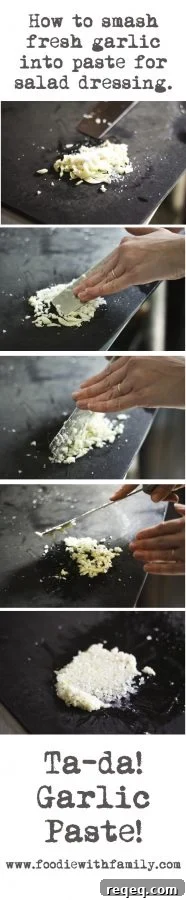
- The only technique that might be new is making garlic paste. Peel and roughly chop the garlic, pile it, sprinkle with a teaspoon of coarse kosher salt, then use the broad side of your knife to alternately smash and chop until a smooth paste forms. The salt helps break the garlic down so it disperses evenly in the dressing instead of showing up as stringy bits. The result is a silky texture and a more uniformly flavored dressing.
- Use either homemade or purchased za’atar—both work beautifully in this dressing.
- Fresh lemon juice is best; it brings a lively brightness that bottled juice lacks. If bottled is your only option, choose a good-quality brand.
- If you can’t find garlic-infused extra virgin olive oil, use plain extra virgin olive oil and add an extra garlic clove to maintain the garlicky punch.
Ingredients
- 4 garlic cloves, peeled and roughly chopped
- 1 teaspoon coarse kosher salt
- 1/3 cup fresh lemon juice (about 1 1/2 lemons)
- 1/3 cup garlic or regular extra virgin olive oil
- 1 teaspoon za’atar seasoning
Instructions
- Peel and roughly chop the garlic. Sprinkle the salt over the garlic and use the broad side of your knife to squash and chop until a thick paste forms. Combine the garlic paste with the lemon juice, olive oil, and za’atar in a half-pint jar. Screw the lid on tightly and shake vigorously. Refrigerate until ready to use.
Nutritional information is an estimate and provided as a courtesy. Calculate nutrition using the exact ingredients you use if needed.
Connect with Foodie with Family
facebook | pinterest | instagram
twitter | G+