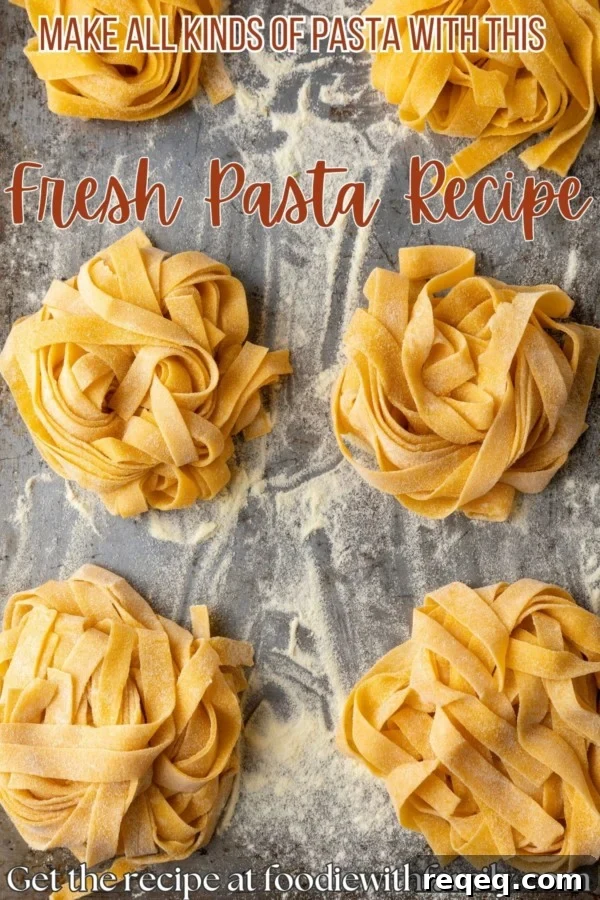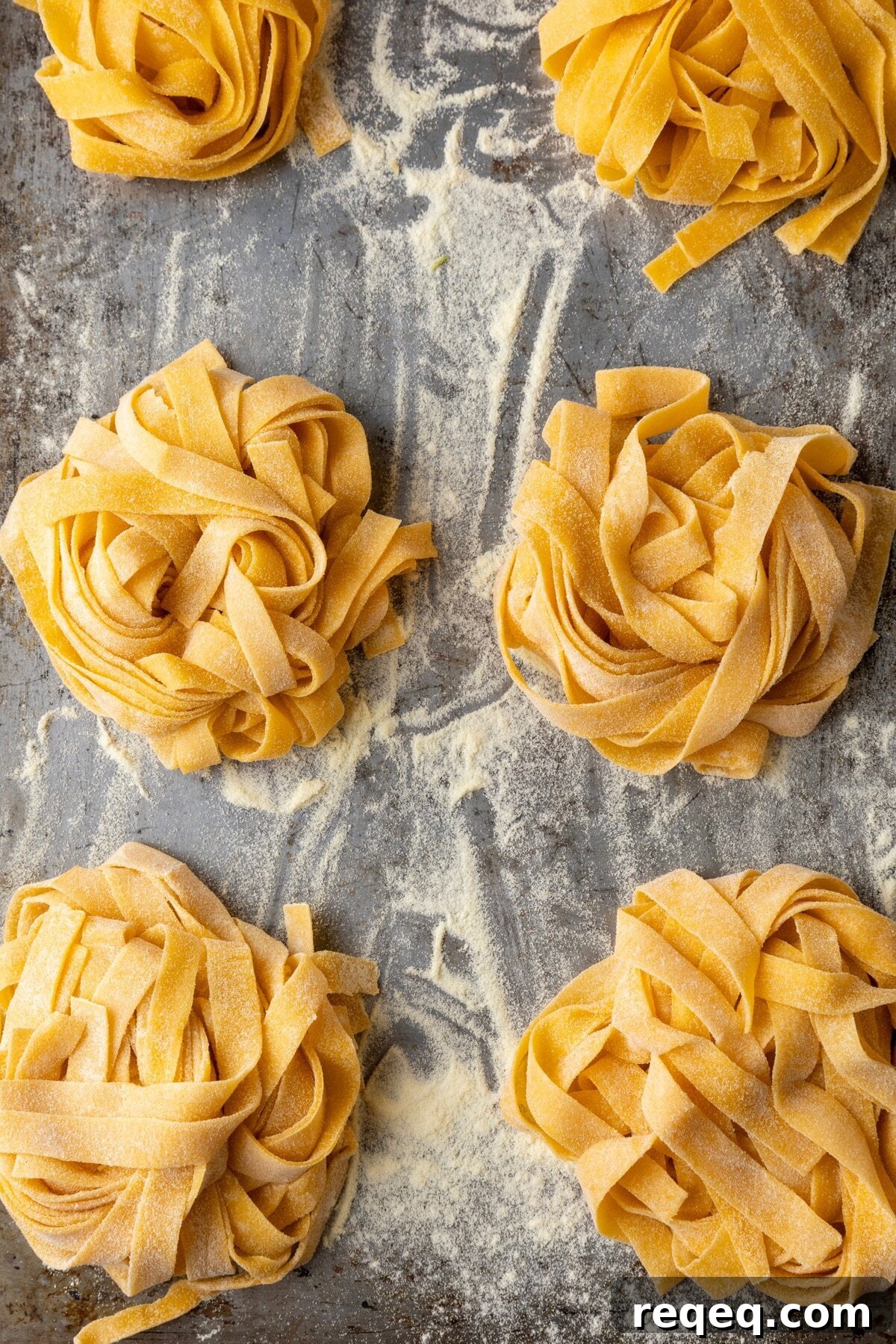
When you have a reliable fresh pasta dough recipe, nearly every pasta dish you make improves. Whether you plan to create lasagna sheets, hand-cut pappardelle, tagliatelle, spaghetti, pici, cavatelli, or other shapes, learning to make pasta from scratch elevates your cooking with little extra effort.
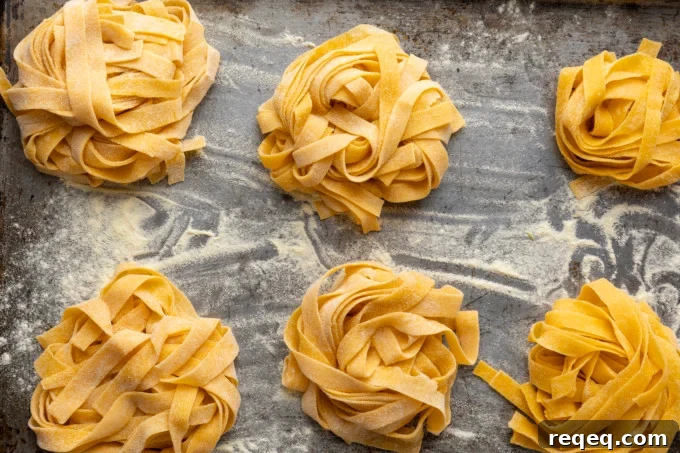
Fresh Pasta Dough Recipe
This classic pasta dough is beautifully simple: semolina flour, all-purpose flour, and eggs. No oil or salt is added to the dough in this traditional version. Instead, you season the cooking water generously—about as salty as the sea—which gives the finished pasta its proper flavor.
This time-tested recipe yields firm, toothsome pasta that cooks quickly and works well in many shapes and sauces. Once you get the hang of it, making fresh pasta becomes straightforward and rewarding.
How to Make the Dough
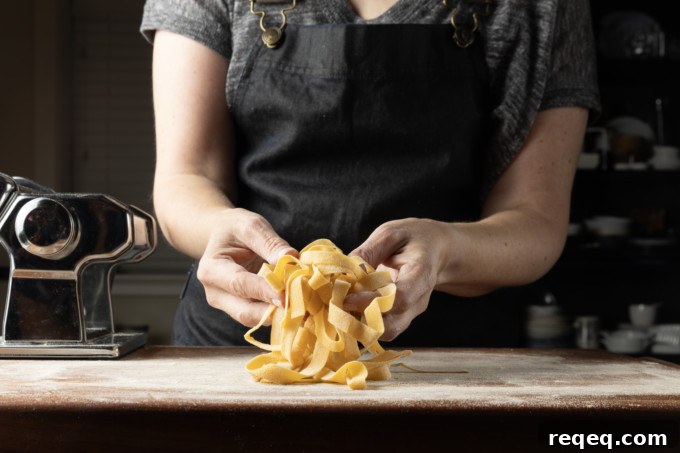
Making fresh pasta can seem intimidating the first time, but it’s one of the most intuitive foundational recipes. You can choose a traditional “Italian Grandma” method or use a modern stand mixer.
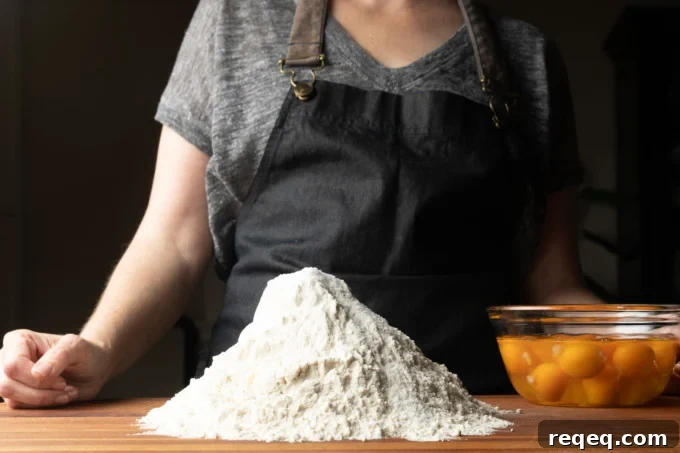
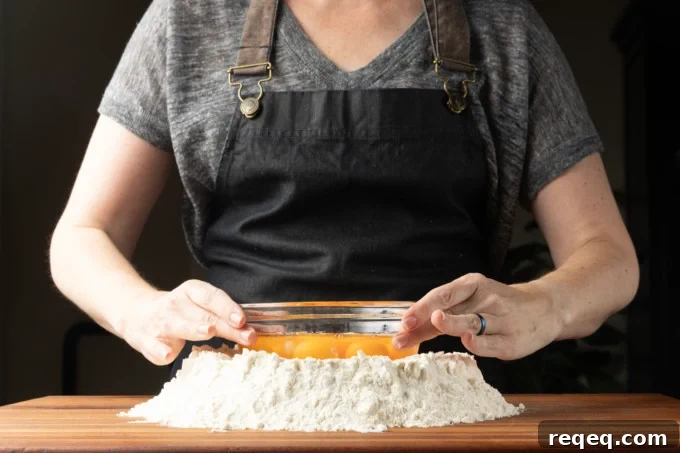
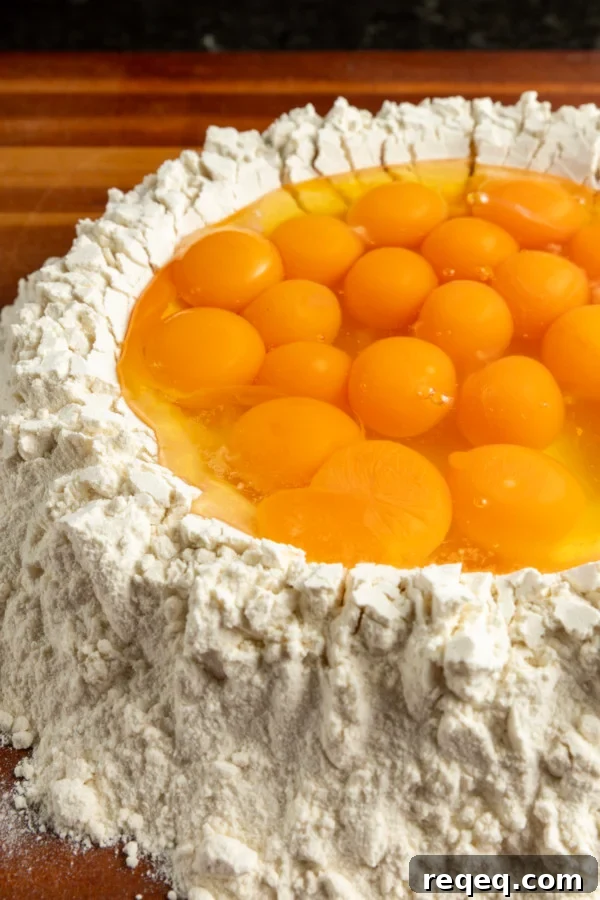
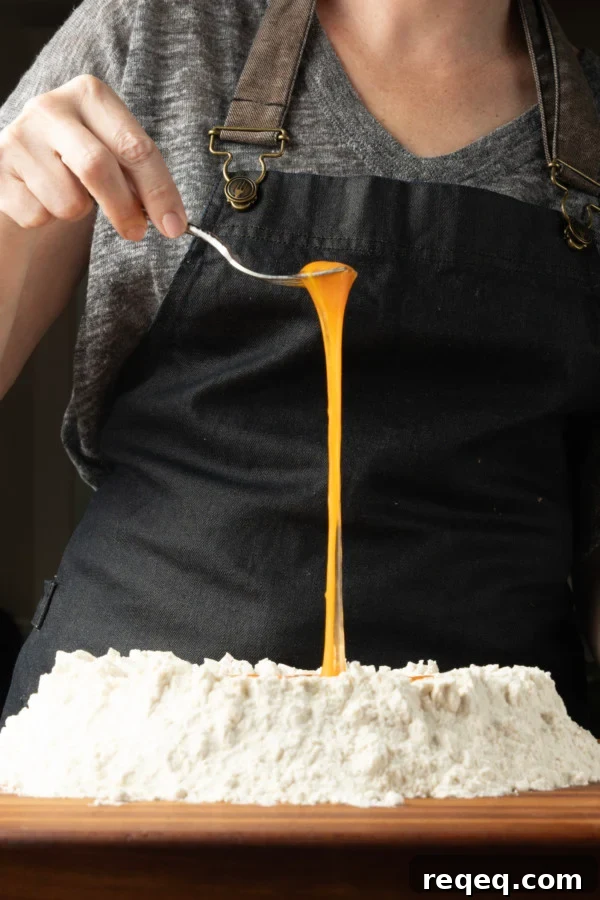
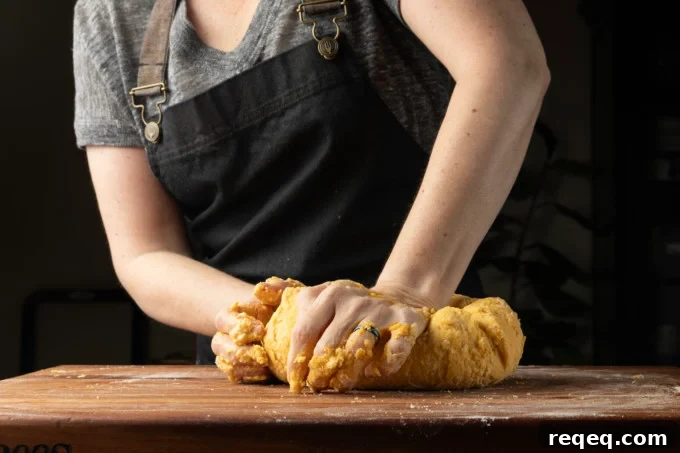
For the classic countertop method, pile the flours on a clean surface and form a well in the center. Crack the eggs into a bowl, add them to the well, and use a fork to break up the yolks and gradually incorporate the flour from the inner edge. When the mixture becomes too thick to mix with a fork, switch to your hands and knead until the dough is smooth. Wrap it, rest it, then roll and cut.
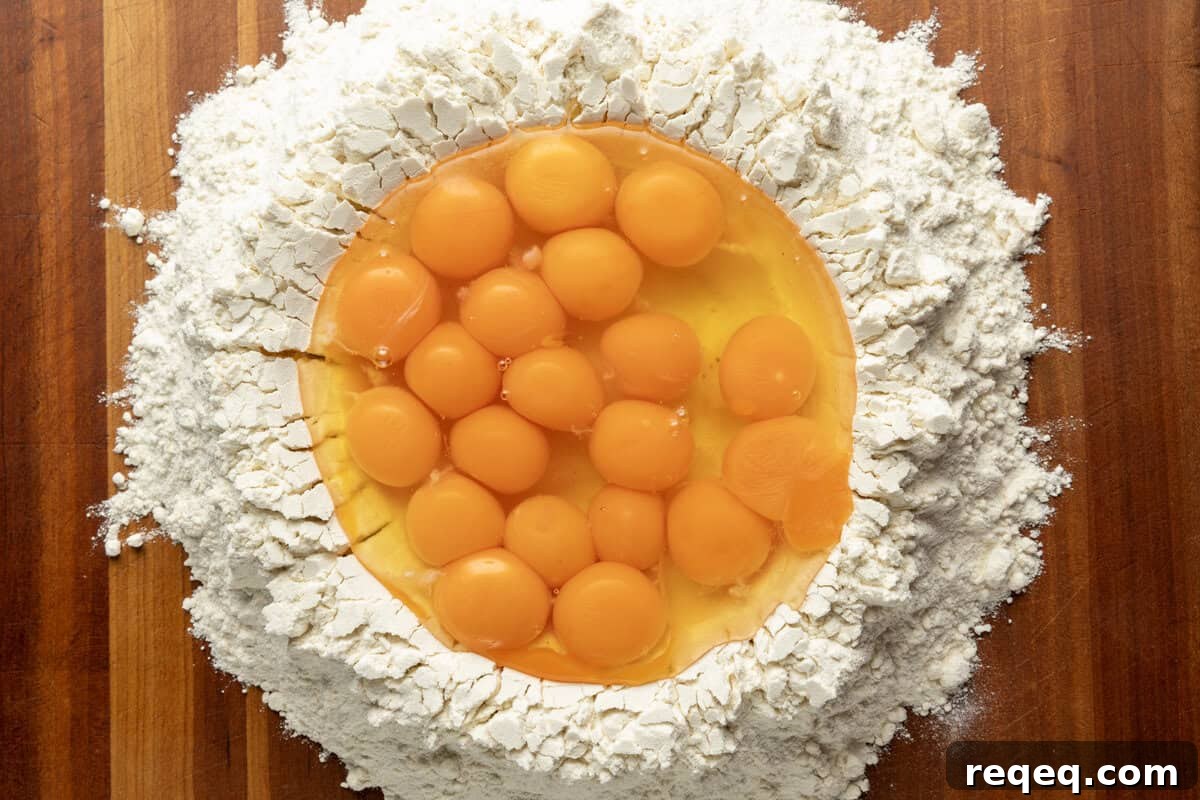
If you prefer a modern method, use a stand mixer fitted with a dough hook to combine and knead the dough. Either approach produces a cohesive dough that benefits from a short rest before rolling.
Making Pasta Without a Machine
Pasta rollers and machines give uniform thickness, which is convenient, but they aren’t required. Many shapes are easy to make by hand. Pici, for example, is a rustic hand-rolled pasta: pinch off a 1-inch piece of dough, roll it into a tapered cord about 2 feet long, and place it on a semolina-dusted sheet pan. Repeat until all dough is rolled and kept in a single layer.
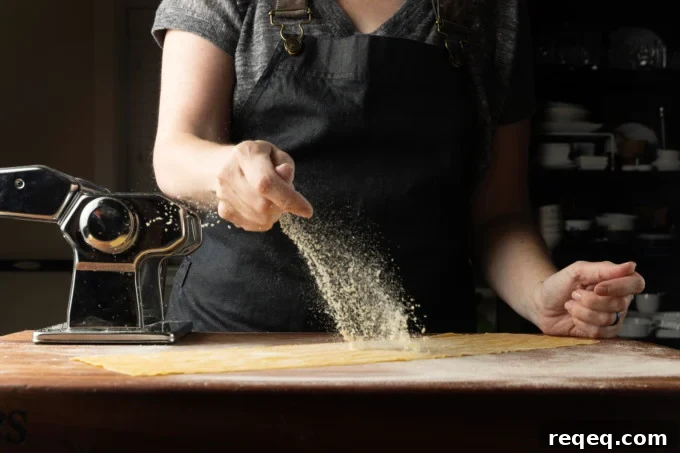
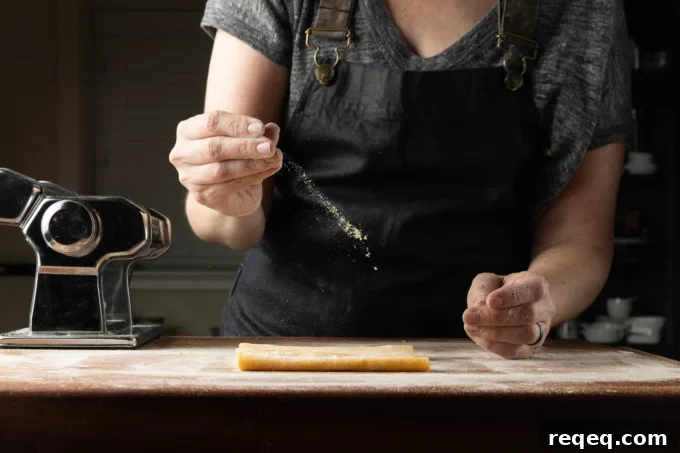
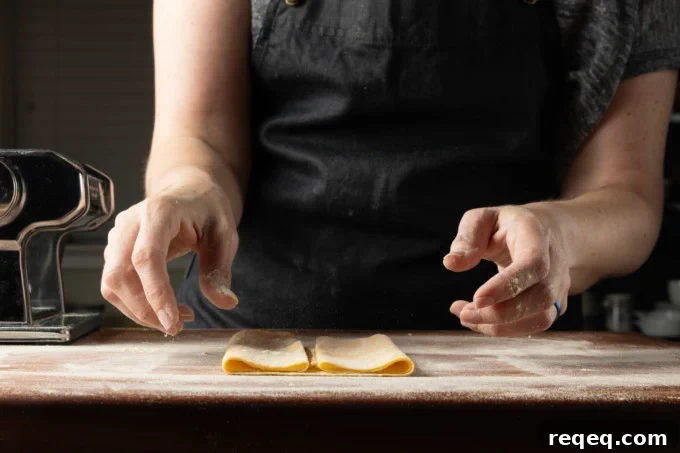
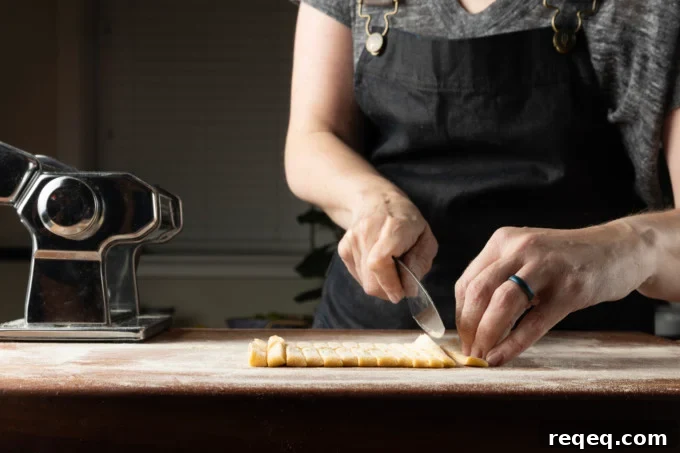
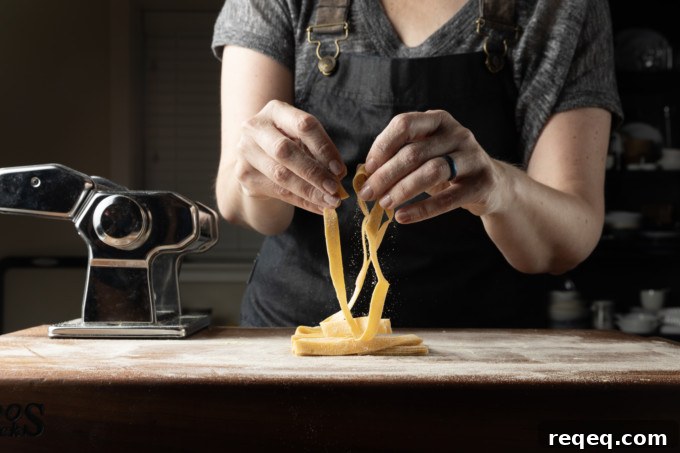
Other hand-shaped pastas include orecchiette and cavatelli. For tagliatelle or pappardelle, roll the dough as thinly and evenly as possible with a rolling pin, dust with semolina or rice flour, fold, and slice into strips. If you want more consistency, use rolling pin spacers to help maintain an even thickness.
How to Store Homemade Pasta
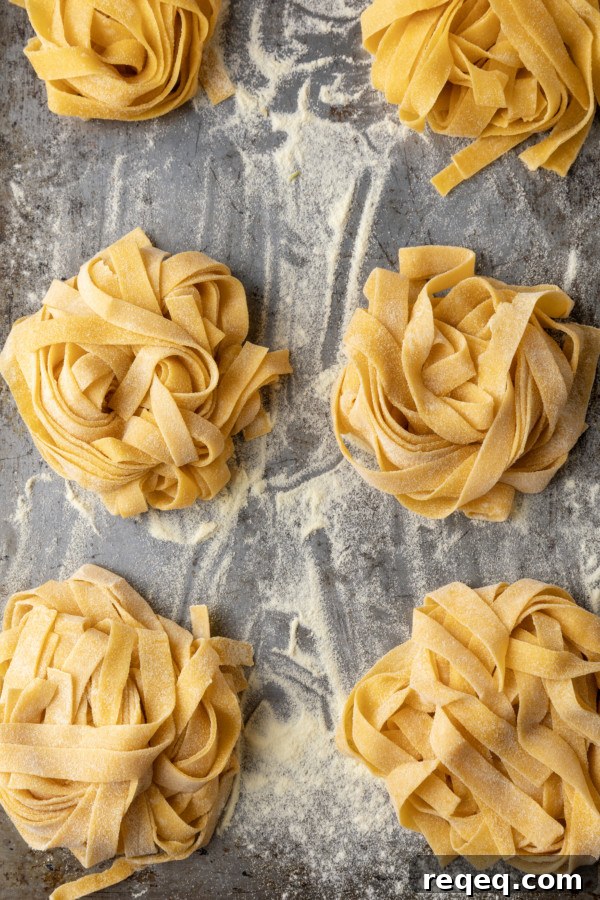
Fresh pasta can be refrigerated for up to 24 hours before cooking or frozen for longer storage. To prevent sticking, dust the pasta generously with flour—rice flour is excellent because it resists absorbing moisture from the air, which can make pasta gummy.
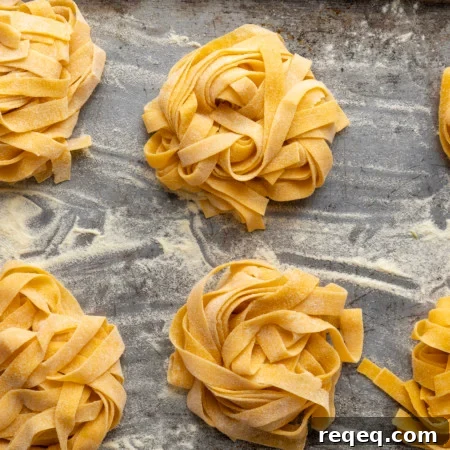
For refrigeration, dust a pan with rice flour, form small nests of pasta, dust the nests again, then cover with a clean towel or plastic wrap. For freezing, prepare the same way, place the pan in the freezer, and once the pasta is solid (about 2 hours), transfer nests to zipper-top or vacuum-sealed bags, remove as much air as possible, label with the date and type, and store up to 3 months.
When you pull frozen pasta from the freezer, cook it straight from frozen—do not thaw. Add roughly one minute to the cooking time compared to fresh refrigerated pasta.
Using Fresh Pasta
Fresh pasta cooks faster than dried pasta, so reduce cook times accordingly. Thin, long shapes typically take about 2 minutes to reach al dente; thicker or shaped pastas may take 3–5 minutes. Test frequently to find the perfect texture.
Fresh pasta pairs wonderfully with a variety of sauces. Classic homemade spaghetti sauce, creamy sausage and spinach dishes, chilled pasta salads, and even lasagna soup all benefit from the tender texture and flavor of fresh noodles. Fresh pasta also complements meatballs, tossed with olive oil and herbs, or simply finished with butter and grated cheese for a quick, satisfying meal.
Fresh Pasta Dough Recipe
Rebecca Lindamood
20
5
Equipment
- 1 pasta roller or rolling pin
- kitchen scale or measuring cups
- fork
Ingredients
- 7.65 ounces semolina flour (about 1 1/3 cups)
- 5.65 ounces all-purpose flour (about 1 1/3 cups)
- 4 eggs
Instructions
- Pile the flours into a mound on a clean counter. Crack the eggs in a bowl, then form a well in the center of the flour and add the eggs.
- Use a fork to break up the yolks and begin incorporating flour from the inside edge of the well into the eggs.
- When the mixture becomes thick, switch to your hand and knead until the dough is smooth.
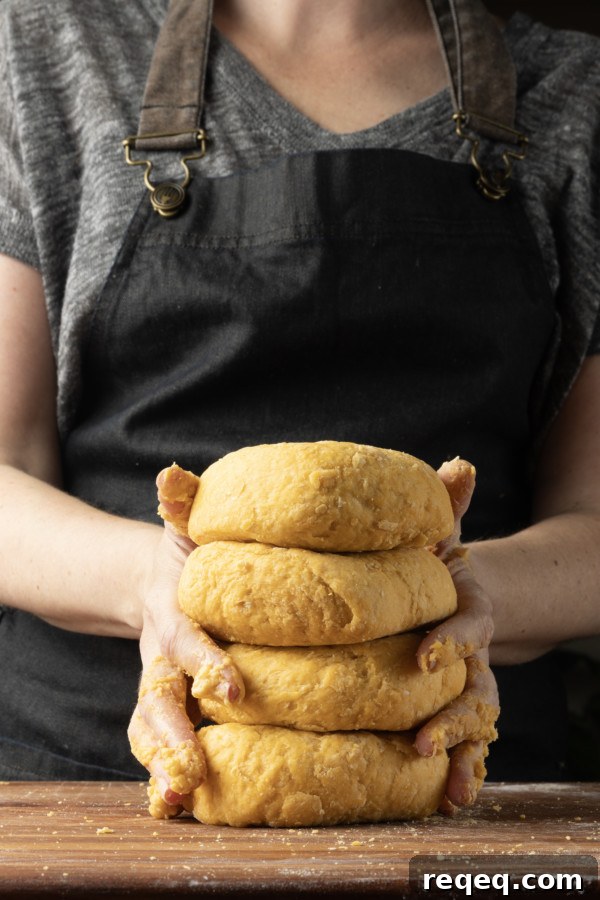
- Form the dough into a ball, flatten slightly, wrap tightly, and let rest 30 minutes.
To Roll the Pasta with a Machine:
- Clamp the machine to a sturdy surface and dust it and your work area with semolina flour.
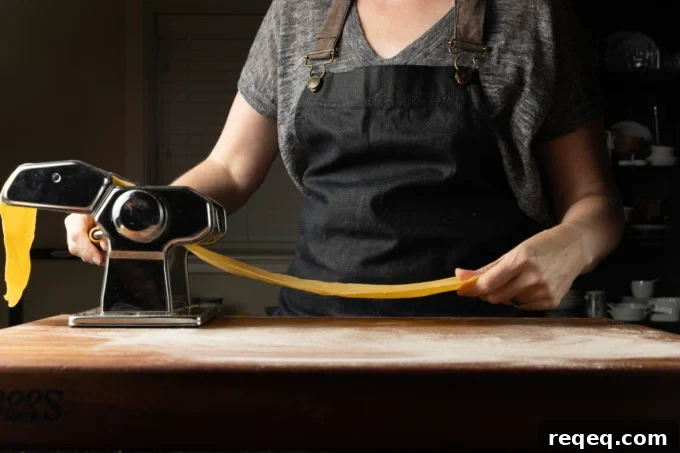
- Divide the dough into four pieces, roll into balls, and cover. Work with one piece at a time, feeding it through the widest setting (setting 1).
- Fold the ends toward the center, fold in half like a book, and feed through the machine again on the widest setting. Repeat a few times until smooth.
- Roll through progressively thinner settings, passing twice at each setting, until you reach about 1 mm thickness.
For Lasagna Sheets:
- Cut sheets into rectangular pieces and briefly blanch in boiling salted water for about 1 minute before using in lasagna.
For Tagliatelle or Pappardelle:
- Dust with semolina, fold toward the middle, dust again, fold in half, and cut into strips about 1 cm for pappardelle or 2/3 cm for tagliatelle.
To Form Pici Without a Machine
- Cut a 1-inch knob of dough and roll it into a tapered cord about 2 feet long. Place on a semolina-dusted sheet pan and repeat until finished.
To Cook Fresh Pasta
- Bring at least one gallon of water to a rolling boil. Salt generously—about 1–2 tablespoons per 4 quarts.
- Cooking time varies by shape and thickness: thin long pasta about 2 minutes for al dente, thicker or shaped pasta 3–5 minutes. Test frequently.
- If cooking from frozen, add pasta directly to boiling water and add about 1 minute to the cooking time; do not thaw first.
Nutrition
Carbohydrates: 70 g
Protein: 17 g
Fat: 5 g
Nutritional information is an estimate and provided as a courtesy. Calculate nutrition using the actual ingredients you use if needed.