
“Duck fat! Hoo ha ha!…”
*Like “Shark Bait, Hoo Ha ha!” from Finding Nemo.
“crackLINS! crackLINS! crackLINS! crackLINS! Duck, duck, duck, duck, duck. NO GOOSE!” chanted my children — who, just two hours earlier, had been making wet, gaggy noises while I broke down a whole duck into breasts, leg and thigh portions and a generous pile of fat and skin trimmings.
I changed their tune fast. Just look at those cracklins. Can you blame them?
It’s duck season around here. I’ve signed on for Charcutepalooza, a group project organized by Mrs. Wheelbarrow and The Yummy Mummy, with about a hundred bloggers taking part. The name is a mashup of charcuterie (the craft of salting, smoking and curing meat) and Lollapalooza (the famously raucous music festival). Each month we tackle a project inspired by Michael Ruhlman’s Charcuterie — meat is mandatory, questionable behavior and tattoos are optional.
I live in the middle of nowhere by choice. I love it here, but occasionally I miss easy access to artisan meats and cheeses. Faced with limited options, I had three choices:
- Do nothing.
- Get independently wealthy and convince an esteemed shop to open a satellite store in my barn.
- Learn to make it myself.
With Charcutepalooza underway, option three was the sensible pick.
This month’s project: duck prosciutto. The recipe called for two duck breast halves (or one boned and separated whole duck breast). My local market offered whole, all-natural ducks at $3.89/pound or boneless skin-on breasts at $12.89/pound. Whole duck it was. After trimming the breasts and beginning the cure, I was left with the rest of the bird to transform.
The leg and thigh quarters became duck confit after a simple cure of salt, herbs, garlic and spices — that’s a post for another time. The carcass and neck went into a roasting pan to become stock. The offal turned into a tiny, delightful pâté. And the skin and fat? That’s where the real magic happened.
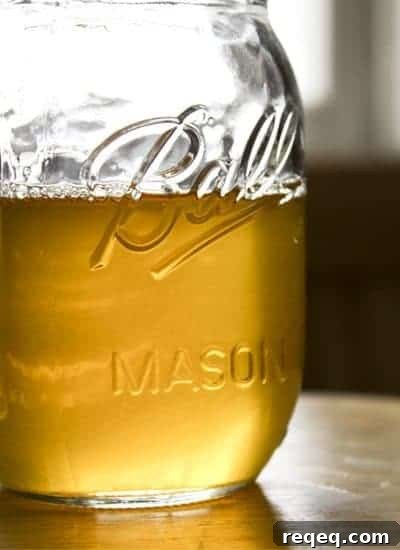
Slowly rendering the fat away from the skin and the little bits of meat left attached produced two culinary treasures: golden duck fat and crispy duck cracklins.
Duck fat makes French fries that border on religious experience. To paraphrase Ben Franklin: duck fat is proof that God loves man and wants him to be happy. Cracklins are like refined bacon — salty, crunchy, and addictive. Ready to get cracklin?
For a photo-free, printer-friendly version of this recipe, click here!
How to Render Duck Fat and Make Duck Cracklins
Ingredients:
- About 1 pound of duck fat and skin trimmings (typically what you’ll have after removing breast, leg and thigh meat from one duck; you can also ask a butcher for trimmings)
- 1/4 cup fresh water
Cut the skin and fat into roughly 1-inch pieces. Place them in the bottom of a heavy-bottomed pan (at least 3-quart capacity); a wider pan is more efficient.
Pour the water over the trimmings and set the pan, partially covered, over the lowest heat possible. As the trimmings warm, fat will render and the water will begin to evaporate. The mixture will sizzle gently as it simmers.
Over time, the white fatty bits will turn golden and crisp. When they reach a light golden brown, use a slotted spoon to remove the cracklins to a paper towel–lined plate. This rendering can take anywhere from an hour to three hours, so don’t leave the pan unattended for long. Sprinkle the hot cracklins with salt to taste. Eat them as a snack, fold them into cornbread, scatter them over salads or soups like croutons, or use them anywhere you’d use crisped bacon.
For the duck fat, strain the hot liquid through a fine-mesh strainer lined with cheesecloth for the clearest result. If you’re short on time, a fine stainless-steel strainer alone will work. Pour the strained fat into a clean, heatproof jar or container with a tight-fitting lid. Refrigerate; the fat will become semi-solid and opaque when chilled. Properly stored, rendered duck fat will keep in the fridge for up to a year. Use it to roast potatoes, make exceptionally rich French fries, sear meats, confit vegetables, or for any indulgent cooking task you envision.