
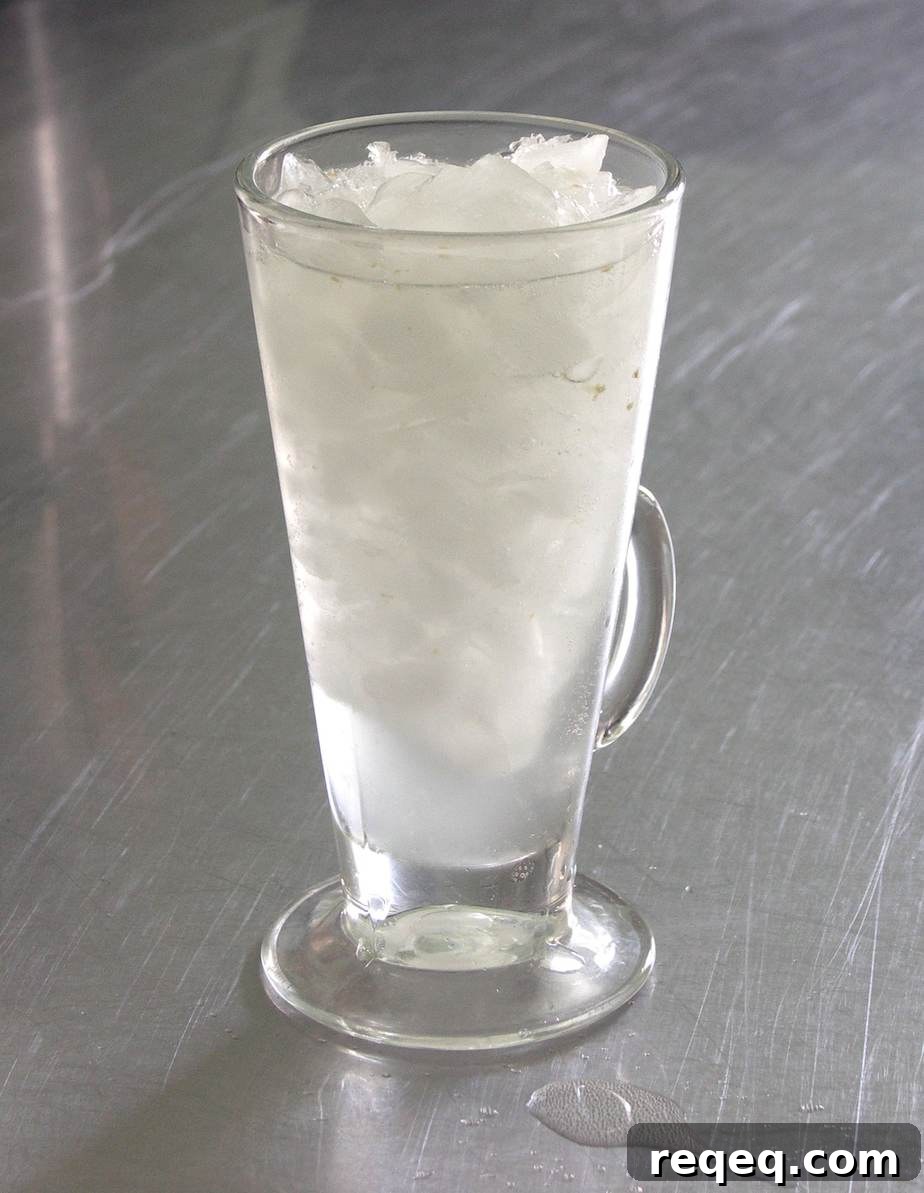
For many reasons I don’t buy commercial soda. I’m not judging anyone who does — I’ve simply lost a taste for most of it over the years; it’s just too sweet. Every now and then I’ll have a Pepsi when I’m out, but that’s rare. What I do love is ginger ale.
A few years ago my dad discovered a recipe online and began making his own ginger ale. Naturally, we teased him about home‑brewing. My dad doesn’t drink alcohol, so the jokes landed especially well and we christened his creation “Papa’s Hooch.” When he visited one time he brought four bottles. Ignoring his warning to open them over the sink, I learned the hard way what happens when a highly pressurized bottle explodes a little.
What I tasted was the real thing: fresh ginger, lemon and lime, and lots of lively carbonation. There was actual citrus pulp and grated ginger in the bottle. If all your soda experience is limited to the grocery store aisle, you’re missing out. Homemade ginger ale is nothing like the mass‑market brands; it’s closer to a craft ginger beer and reminds me of Vernor’s in character—rich, gingery, and bright.
Note about the product: Papa’s Hooch is a lightly fermented beverage. Because it’s made with grated fresh ginger and freshly squeezed citrus, the finished bottle will contain a small amount of sediment and pulp. Pour slowly to keep the sediment in the bottle, or strain through a fine mesh if you prefer a pulp‑free drink. Personally I love the texture and flavor the pulp adds.
Because yeast ferments some of the sugars, a tiny amount of alcohol is produced as a by‑product. The original recipe called for one cup of sugar; my dad reduced it to a half cup, which lowers the final alcohol content even more. Tests on the original recipe show an alcohol content around 0.35–0.5%, which is negligible compared to beer. With the reduced sugar in Papa’s Hooch you’d need to drink many gallons to equal a single beer. That said, anyone with strict dietary or religious restrictions should avoid it.
Safety note: the fermentation produces pressure in the bottle. Use a clean, dry, empty 2‑liter plastic soda bottle with a tight screw top—do not use glass, mason jars, or flimsy containers. Plastic is much safer if a bottle fails, and following the timing recommendations reduces the risk of an over‑pressurized bottle.
If you start tonight, the ginger ale should be ready within a day or two. Chill thoroughly before opening and always open over a sink or other easy‑to‑clean surface.
Papa’s Homemade Hooch
Ingredients:
- 1/2 cup granulated sugar
- One lemon or one lime (or half of each)
- About 2 inches fresh ginger root
- 1/4 teaspoon yeast
Instructions:
Fit the top of a clean, dry, empty 2‑liter soda bottle with a funnel. Add the sugar and yeast to the bottle, then swirl gently to distribute the yeast through the sugar. Leave the funnel in place.
Grate the ginger into a measuring cup. Juice the lemon and/or lime (I prefer half a lemon and half a lime). Combine the citrus juice and grated ginger and swirl to mix.
Pour the ginger‑citrus mixture through the funnel into the bottle. Add a little clean drinking water to the measuring cup, swirl to rinse the remaining pulp, and pour that rinse through the funnel as well to capture all the flavor.
Remove the funnel and screw the cap on tightly. Shake the bottle vigorously to mix. Remove the cap, then fill the bottle with water to within about an inch of the top (just where the bottle’s neck begins to narrow). Cap tightly and invert several times to dissolve the sugar fully.
Press the side of the bottle with your thumb to check how much it gives under pressure. Place the bottle in a warm (not hot) location for 24–48 hours. When the bottle becomes very firm and no longer indents with pressure, move it to the refrigerator immediately.
Do not leave the bottle at room temperature longer than 48 hours to avoid the risk of bursting. Chill completely, preferably overnight. Once cold, carefully loosen the lid over a sink and pour over ice. If you dislike pulp or bits of ginger, strain the soda into your glass before serving.
Final tip from my dad: rinse the bottle with water right after you pour the last glass. If you let residue sit, it becomes very difficult to clean. Learn from my mistakes and give the bottle a quick rinse while it’s still wet.