
Visit our Bread Recipes page for more delicious homemade bread ideas!
I promised an all-desserts week — and this is installment #2.
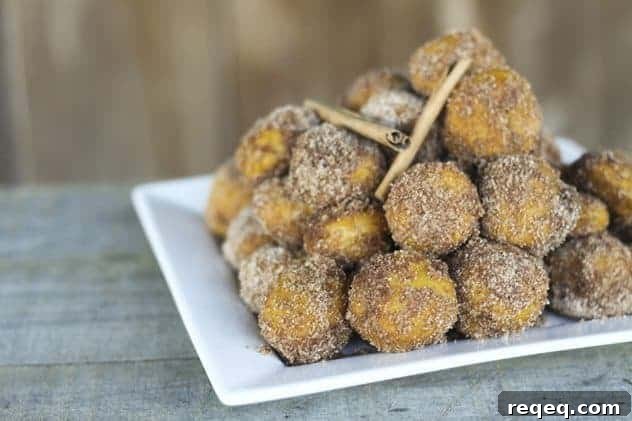
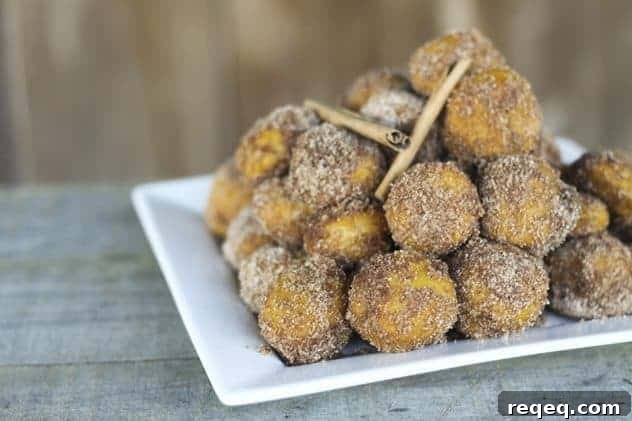
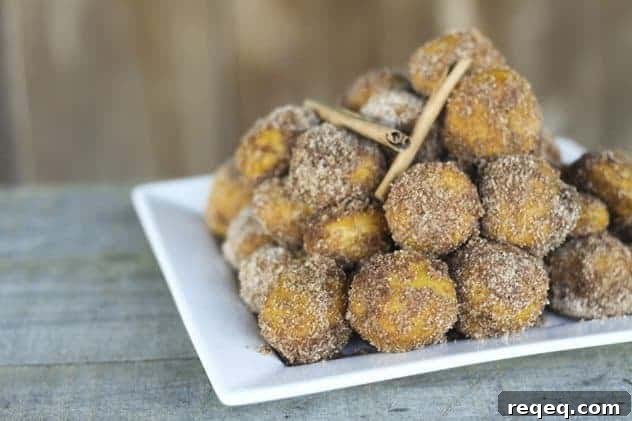
Some foods make me sprint for the door; doughnuts aren’t usually one of them. I don’t have a big sweet tooth and tend to spend my dessert allowance carefully. Most doughnuts feel too sweet, too sticky, too much. Yet every fall I find myself drawn to apple cider doughnuts. The name alone is irresistible: say cider and I’m interested. These doughnuts are often baked rather than fried and skip a cloying glaze for a simple roll in cinnamon sugar, which keeps them nicely balanced. I can manage a donut hole or two before I’m done — for me, that qualifies as indulgence.
My husband and kids, on the other hand, inhale doughnuts. My husband even calls them “DARNITS” — as in, “DARNIT! I ate another one!” When I spotted a baked pumpkin doughnut recipe online, I decided to experiment and make cider-pumpkin doughnuts instead. I had a jar of apple molasses on hand, which was perfect for adding apple flavor without overpowering the pumpkin. Cider and pumpkin are two flavors that simply say autumn.
I mixed the dough, rolled it, cut the rounds and placed them on baking sheets. Before long, the house filled with curious feet and voices: “What are you—OOOH! Mom’s making doughnuts!” “When will they be done?” “Did we really clean that well?” (No, but you’re cute.)
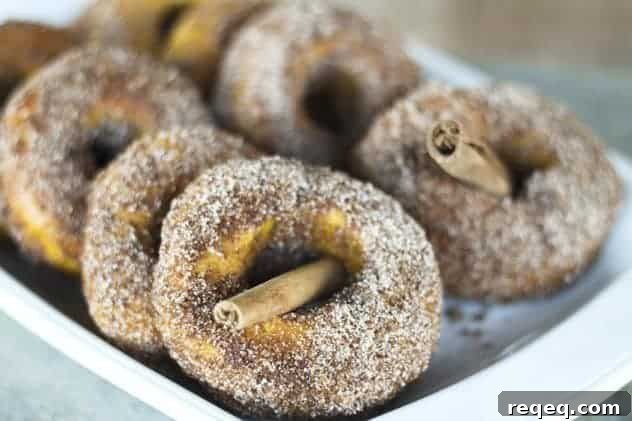
I baked, dunked, and rolled the doughnuts in cinnamon sugar. After photographing a few while balancing kids on my legs and shoulders, I stepped back and watched the family descend on the warm treats — locusts was the first thing that came to mind, because they disappeared fast.
I tasted a doughnut hole and was pleasantly surprised. They were light, just sweet enough, and had a lovely autumnal orange crumb from the pumpkin. The cider note was subtle, and the browned butter helped the cinnamon-sugar coating cling to the outside, adding a nutty finish. In short: these were doughnuts I could happily eat more than two. Darnit.
Some Important Cooking Notes:
- This dough is very soft and sticky—almost like a batter when first mixed. Be patient and allow the flour to hydrate while the dough rises; it will become workable after the first rise.
- Flour your work surface, rolling pin, and hands generously as you shape and cut the dough. Keep adding flour as needed.
- Use parchment paper or a silpat on your baking sheets. Without one, cleanup will be difficult.
- Make the browned butter with unsalted butter. Using salted butter concentrates the salt and can make the doughnuts taste too salty.
- These are best served warm and fresh. Store in an airtight container for up to three days, though they’re unlikely to last that long at my house.
Baked Cider Pumpkin Doughnuts
Rebecca Lindamood
Pin Recipe
Ingredients
For the Brown Butter:
- 1/2 cup 1 stick / 4 ounces unsalted butter
For the Doughnuts:
- 1/4 cup whole milk
- 1/4 cup plus 1 tbsp boiled cider
- 1 envelope (2 1/4 tsp) instant dry yeast
- 1/4 cup granulated sugar
- 1/2 cup light brown sugar, packed
- 1 1/2 teaspoons kosher salt
- 1 teaspoon pure vanilla extract
- 1/2 teaspoon ground cinnamon
- 1/8 teaspoon ground nutmeg
- 1 large egg
- 2 large egg yolks
- 1 cup pumpkin puree
- 2 1/4 cups all-purpose flour
- 1 cup bread flour
For the Cinnamon Sugar:
- 1/2 cup granulated sugar
- 1 tablespoon ground cinnamon
Instructions
-
Begin by preparing the dough.
-
Warm the milk to just above room temperature. Pour into the bowl of a stand mixer, stir in the boiled cider and the yeast, and let stand for 5 minutes.
-
After 5 minutes, use the paddle attachment to mix in the granulated sugar, brown sugar, salt, vanilla, cinnamon, nutmeg, egg, egg yolks, and pumpkin puree. Mix on medium for at least 1 minute until smooth and evenly combined.
-
Switch to the dough hook and add all the flour at once. Start on low to avoid a flour cloud, then increase to medium-high and mix 4–6 minutes until you have a soft, sticky, batter-like dough.
-
Butter a large bowl, scrape the dough into it, cover with plastic wrap, and let rise at room temperature until doubled (about 1 hour).
-
Line 2–3 baking sheets with parchment or silpats and set aside.
-
Generously flour your work surface and rolling pin. Turn the dough out, dust the top with flour, and knead for no more than 1 minute to deflate.
-
Roll the dough to about 1/2-inch thickness. Use a 3-inch cutter for the doughnut and a smaller cutter for the hole (or use the small cutter to make all doughnut holes). Transfer cut doughnuts to the lined sheets, leaving 2 inches between each doughnut or 1 inch between holes.
-
Re-roll scraps and cut until all dough is used.
-
Cover the baking sheets with plastic wrap and let the doughnuts rise for about an hour. Avoid overproofing so they remain light in texture.
-
Preheat the oven to 400°F (200°C).
-
While the oven heats, make the brown butter: melt the butter in a heavy-bottomed saucepan over medium-high heat, swirling to prevent scorching. When the butter smells nutty and you see lightly browned milk solids, remove from heat and let cool slightly.
-
Bake the doughnuts for about 20 minutes or until golden brown. Bake the doughnut holes for about 10 minutes, until just golden.
-
Combine granulated sugar and ground cinnamon in a bowl. Working one doughnut at a time, dunk each warm doughnut into the brown butter, letting excess drip off, then toss in the cinnamon sugar until coated. Transfer to a plate and repeat.
-
Eat.
-
Darnit.
Nutritional information is an estimate and provided as a courtesy. Calculate nutrition using your actual ingredients and preferred calculator.
did you make this recipe?
Tag @foodiewithfam on Instagram and use #foodiewithfamily so the author can see your creation.