
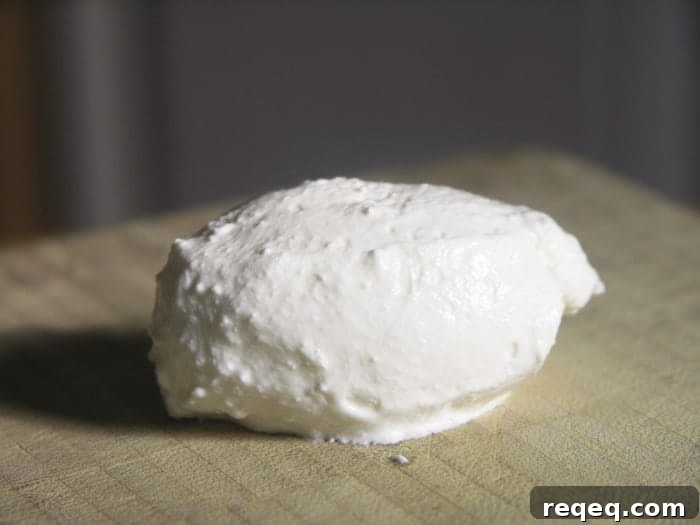
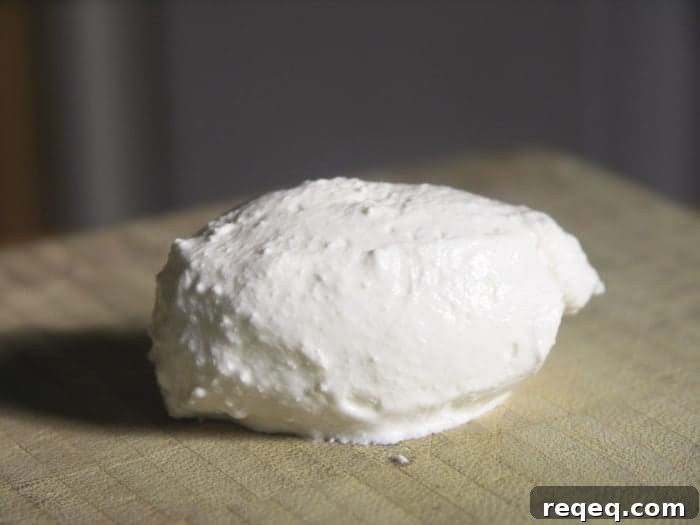
 A Tale of Two Mascarpones:
“It was the best of times, it was the worst of times, it was the age of wisdom, it was the age of foolishness, it was the epoch of belief, it was the season of Light, it was the season of Darkness, it was the spring of hope, it was the winter of despair, we had everything before us, we had nothing before us, we were all going direct to Heaven, we were all going direct the other way- in short, the period was so far like the present period, that some of its noisiest authorities insisted on its being received, for good or for evil, in the superlative degree of comparison only.”
Charles Dickens, ‘A Tale of Two Cities’
Your response to the Blueberry Tiramisu post made it clear: many of you love mascarpone. Store-bought mascarpone can be expensive, so here’s how easy and affordable it is to make at home. It’s a great place to start.
But there’s a caveat.
I set out to write a post that balanced tradition and simplicity. I considered sharing a very traditional mascarpone recipe — the kind that makes you feel fancy and virtuous. Yet I kept reminding myself that the goal isn’t to replicate someone’s Nonna exactly; the point is that you made it, and that it tastes great.
There are plenty of things in life that require strict methods to avoid problems. Mascarpone is not one of them. The word “authentic” is often used too rigidly in food writing. According to purists, mascarpone must be made with tartaric acid to be truly authentic. Tartaric acid, derived from grape skins, is harmless, inexpensive, and has a long history of use in winemaking and cheesemaking. It’s authentic — and sometimes a hassle.
I’ve made traditional mascarpone many times, and the method often demands extra attention: scraping cheesecloth, extended draining, and extra fiddling to get the texture right. For me, that makes the traditional method feel overly fussy.
I prefer a reliable shortcut that yields mascarpone every bit as creamy and delicious as the traditional version. My shortcut is cultured, which gives it a longer refrigerator life than some traditional preparations; the cultures help preserve the cream, so you can make larger batches and store them longer. Either way — traditional or shortcut — you’ll get about two pounds of mascarpone for under $6.00. That’s a win.
For a printer-friendly, photo-free version of these recipes, click here!
Foolproof Mascarpone
Yield: about 2 pounds of mascarpone
Ingredients:
- 2 quarts half-and-half or light cream, pasteurized preferred (ultra-pasteurized will work but may take longer)
- 1 packet direct-set Crème Fraîche culture OR 1/2 cup room-temperature buttermilk (less than a week old) mixed with 1/4 cup non-chlorinated room-temperature water and 1/8 teaspoon liquid vegetable rennet (or 1/8 of a crushed vegetable rennet tablet dissolved in the water)
Equipment:
- Approximately 24″ x 24″ ultra-fine cheesecloth (butter muslin)
- Instant-read thermometer
- Fine-mesh stainless steel strainer
- 2.5-quart saucepan with lid
Pour the half-and-half or light cream into the saucepan and warm gently over low heat to 86°F (lukewarm). If you overshoot slightly, stir and cool back to 86°F.
If using direct-set culture, sprinkle it evenly over the surface and let it rest for 1 minute. If using the buttermilk/rennet mixture, add it and rest for 2 minutes. After resting, whisk gently for 2 minutes until the culture is fully dissolved. Cover and let the mixture sit in a warm place (around 72°F) for 12–24 hours, or until thickened. At this point you have Crème Fraîche.
To turn Crème Fraîche into mascarpone, line a fine-mesh strainer with dampened ultra-fine cheesecloth or dampened coffee filters, place it over a bowl, and transfer the thickened crème fraîche into the strainer. Drain at room temperature for 6–12 hours, or until it reaches your desired consistency. You’ll have rich, creamy mascarpone with minimal fuss.
The cultured method is forgiving, produces consistent results, and offers a longer refrigerator life than many traditional preparations.
Traditional Mascarpone
Yield: about 2 pounds of mascarpone
Ingredients:
- 2 quarts half-and-half or light cream, pasteurized
- 1/2–3/4 teaspoon tartaric acid
Equipment:
- Approximately 24″ x 24″ ultra-fine cheesecloth (butter muslin)
- Instant-read thermometer
- Fine-mesh stainless steel strainer
- 2.5-quart saucepan or the top pan of a double boiler
Set up a double boiler: add water to the bottom pan without letting the top pan float. Place the cream in the top pan and heat over medium until it reaches 185°F. Sprinkle the tartaric acid over the cream and stir continuously for 5 minutes while maintaining 185°F; the cream should thicken. Remove the top pan from heat and stir for an additional 2 minutes.
Transfer the thickened cream to a dampened ultra-fine cheesecloth or a dampened coffee filter-lined fine-mesh strainer. Drain in the refrigerator for 12–24 hours or until the desired thickness is reached. Traditional mascarpone is more perishable and should be consumed within 48 hours of making.
Both methods produce excellent mascarpone. The cultured shortcut offers ease and a longer shelf life, while the traditional method follows a classic approach that some prefer. Try both and choose the one that fits your kitchen style.