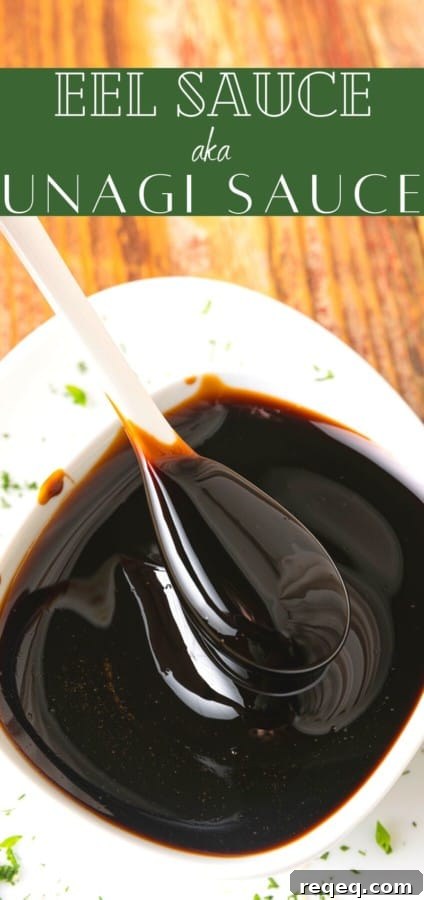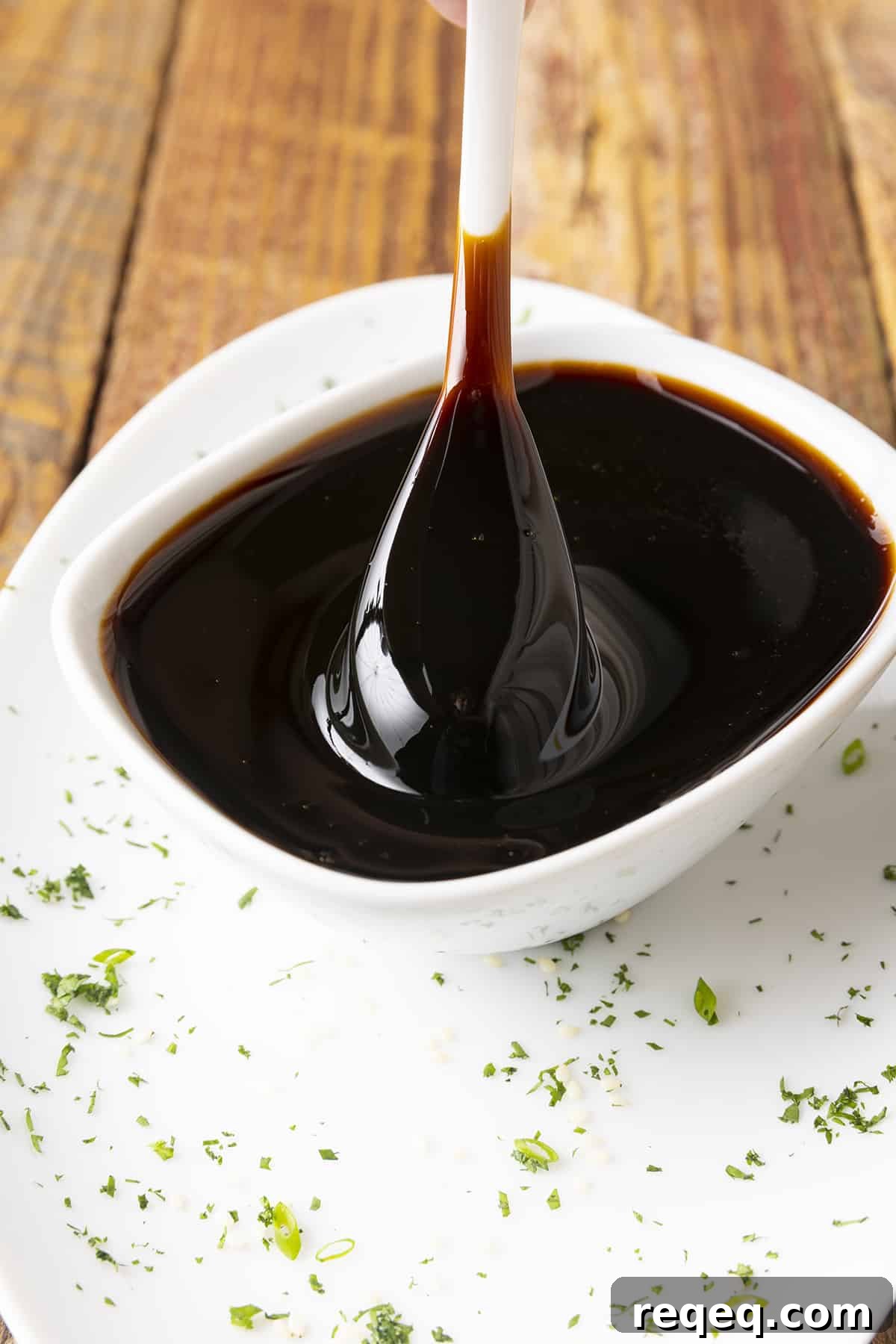
If you enjoy Japanese cuisine, you have likely encountered eel sauce: a glossy, dark, sticky condiment that is sweet, savory, and rich in umami. This versatile sauce elevates everything it touches, and it’s helpful to have a jar on hand for sushi, grilled fish, bowls, and more.
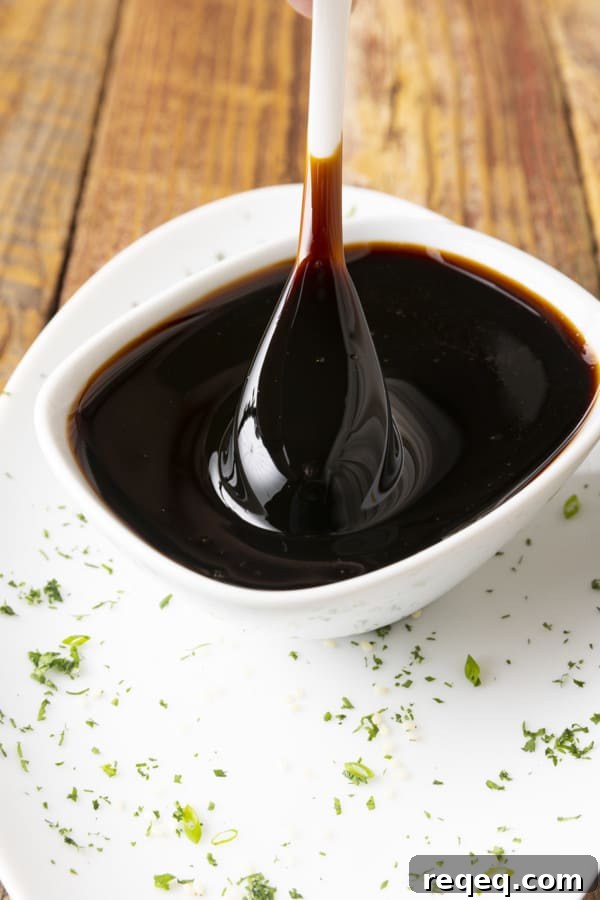
Unagi sauce goes by several names—kabayaki sauce, eel sauce, nitsume, and unagi no tare. Though traditionally paired with grilled eel, it’s commonly used as a glaze or drizzle for chicken, salmon, rice bowls, sushi rolls, tempura dipping, noodles, and other dishes. Its balanced sweet-salty profile and syrupy texture make it a kitchen staple.
What is Unagi Sauce?
Unagi sauce is a thick, reduced sauce made from a few simple ingredients. It acts like a finishing glaze, a dipping sauce, or a seasoning: brush it on grilled proteins, drizzle it over sushi rolls and rice, use it to finish stir-fries or noodle dishes, or serve it alongside tempura. The sauce’s concentrated flavor and sheen enhance both presentation and taste.
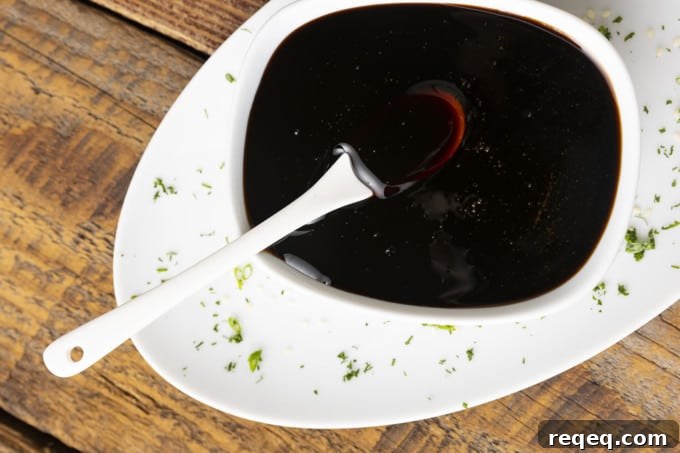
People sometimes confuse unagi sauce with hoisin or oyster sauce because of their similar appearance, but they are distinct. Hoisin is a bold, pungent Chinese sauce, and oyster sauce is made from reduced oyster extracts and tends to be quite savory and sweet. Unagi sauce is lighter and more delicate in umami, resembling teriyaki in flavor but generally thicker and sweeter.
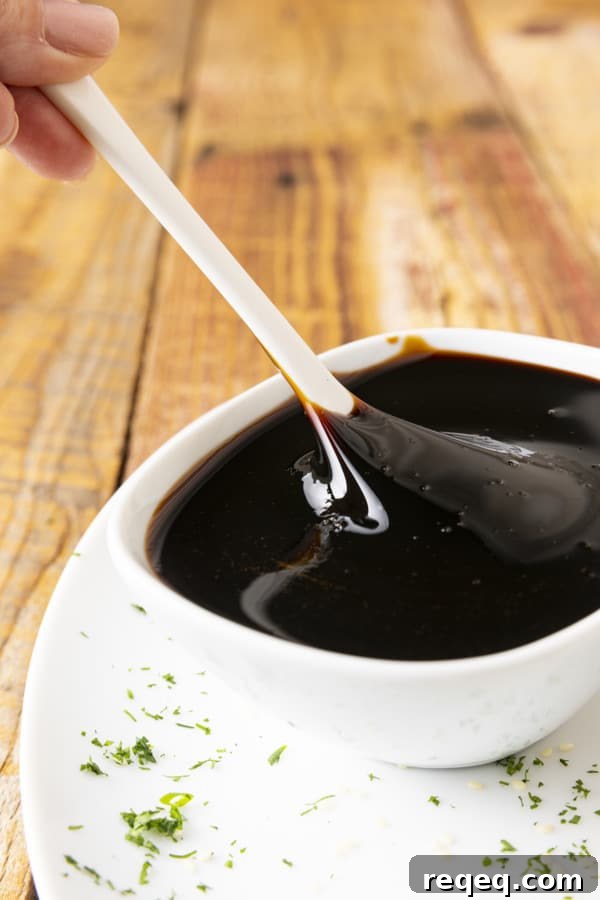
While many supermarkets and Asian markets sell bottled unagi sauce, making it at home is quick and rewarding. Homemade unagi captures the same glossy, concentrated flavor and lets you control ingredients such as sodium and gluten. If you need a gluten-free version, substitute tamari for soy sauce.
How to Make Unagi Sauce
This homemade eel sauce requires only three pantry ingredients and basic kitchen tools. It reduces in a small saucepan to a glossy, syrupy finish.
Ingredients for Eel Sauce
- Low-sodium soy sauce (or gluten-free tamari)
- Sugar (granulated or raw)
- Mirin (sweet rice wine)
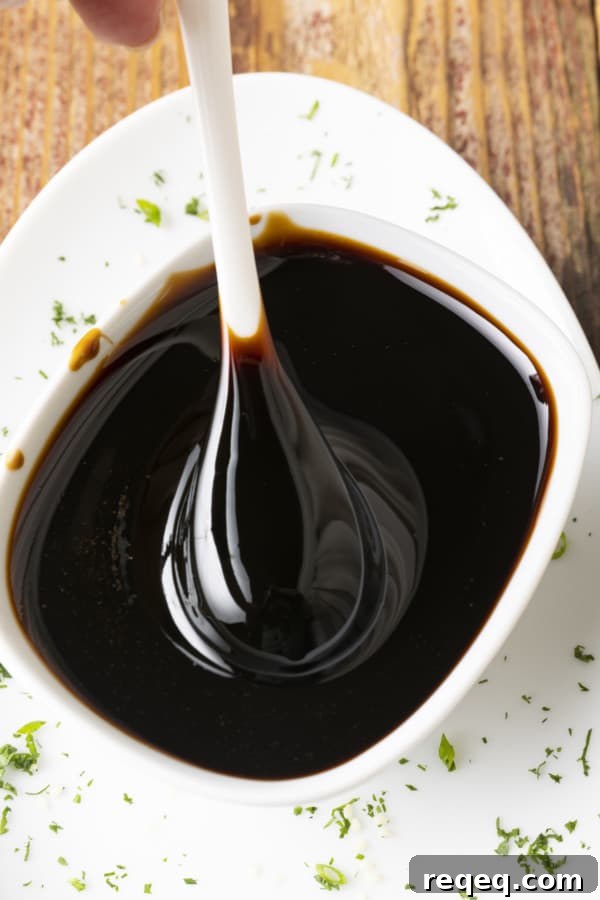
Use a good-quality, low-sodium soy sauce because the mixture reduces and concentrates. If you need gluten-free, choose tamari. For sweetness, granulated white or raw sugar work best; honey or maple syrup can be used but will add their own distinct flavors. Mirin provides characteristic sweetness and a subtle rice-wine aroma; if unavailable, a splash of sake can substitute, though the flavor will differ slightly.
How To Make Eel Sauce
No special equipment is required—just common kitchen items:
- Measuring cup
- Small saucepan
- Whisk or heatproof spatula
- Mason jar or heatproof container with a tight lid
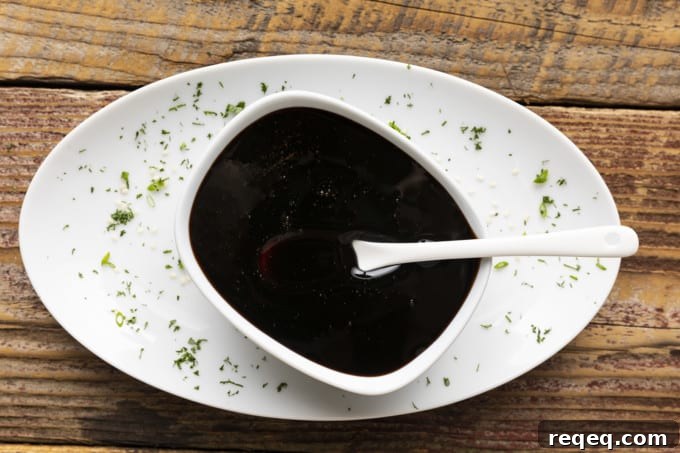
Unagi Sauce Recipe
Basic ratio and method:
- Combine equal parts soy sauce, mirin, and sugar in a small saucepan over medium heat.
- Whisk until the sugar dissolves and bring to a gentle boil.
- Maintain a gentle boil until the liquid has reduced by roughly one-third. To test, dip a spoon in the sauce and run your finger through it—if the line stays clear, it’s done. Keep in mind the sauce will thicken further as it cools and should be about the consistency of honey at room temperature.
For a thicker sauce, mix up to 2 teaspoons cornstarch with 2 tablespoons water to form a slurry, then whisk it into the hot sauce and bring back to a gentle boil for 1–2 minutes while stirring constantly. Remove from heat and allow to cool slightly.
Pour into a clean jar or airtight container, cool to room temperature, then seal and refrigerate. Properly stored, the sauce will keep for about two weeks.
Eel Sauce Recipe
Ingredients
- ½ cup soy sauce
- ½ cup mirin
- ½ cup granulated sugar
Optional:
- Up to 2 teaspoons cornstarch mixed with 2 tablespoons water for an extra-thick sauce
Instructions
- In a small saucepan over medium heat, whisk together the soy sauce, mirin, and sugar until the sugar dissolves. Bring to a gentle boil.
- Keep at a gentle boil until the sauce is reduced by about one-third. Test by drawing a finger through sauce on a spoon—if the line remains clear, it’s ready.
- Remember the sauce thickens as it cools; it should be about honey consistency at room temperature.
- Pour into a clean, heatproof jar and let cool to room temperature. Seal tightly and refrigerate for up to two weeks.
Notes
Unagi sauce naturally reaches a honey-like consistency at room temperature. To thicken further, stir a cornstarch slurry into the hot sauce, bring to a boil while whisking, and simmer gently for about 2 minutes. Cool, jar, and store as directed above.
Nutrition
Calories: 54 kcal • Carbohydrates: 13 g • Protein: 1 g • Fat: 0.04 g • Sodium: 615 mg • Sugar: 11 g
Nutritional information is an estimate. Calculate using the exact ingredients you use if needed.