Recipes 4 min read
Clotted (Devonshire) Cream: Everything You Need to Know from Downton Grub Files
This is the second installment of the Downton Grub Files wherein I share a Downton Abbey–worthy recipe so we can enjoy proper snacks while we alternately cheer and shake our fists at our television screens on Sunday nights. This week’s question: Who is your favorite character? I’m on Team Dowager Countess! Please—no spoilers if you’ve already seen Season 3. Let the rest of us enjoy the suspense.
Imagine something even butterier than butter and creamier than cream. Sounds impossible? Meet clouted cream, also known as Devon cream or clotted cream. I prefer the term “clouted” because it suggests richness and authority—qualities this cream certainly has.
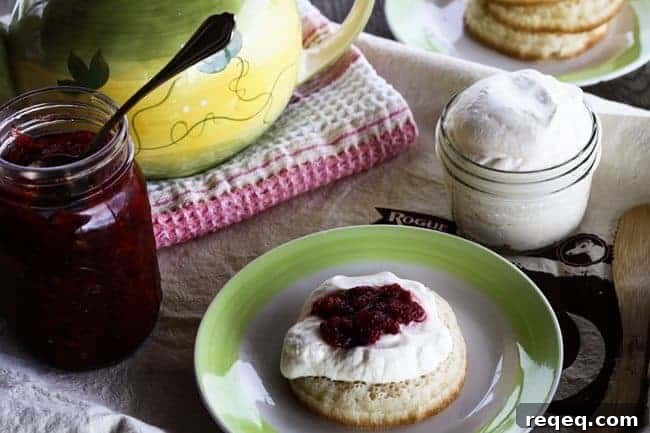
Clouted cream is made from heavy cream (not ultra-pasteurized) left at room temperature for 12–24 hours and then slowly heated at a low temperature for another 8–12 hours. During that gentle cooking the richest part of the cream rises to the surface and forms a thick, velvety layer dotted with tiny pockets of butterfat. Think of the densest mascarpone or the richest whipped cream you can imagine—then go further. When you bite into a toasted crumpet or scone topped with clouted cream and jam, the tiny butter pockets melt almost instantly on your tongue.
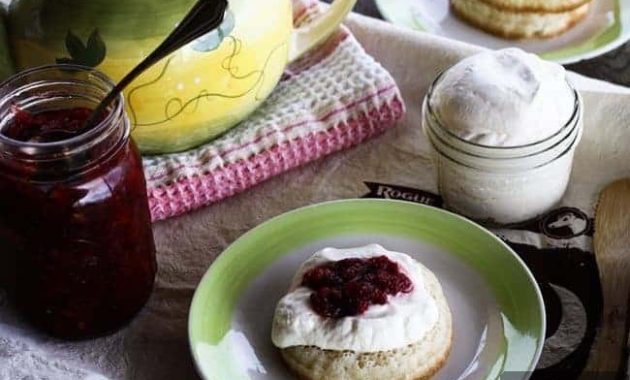
In England clouted cream is an essential component of a cream tea—the elegant snack, not the beverage. A traditional cream tea usually consists of a split, warmed scone spread with clouted cream and topped with strawberry jam, accompanied by a pot of tea. If you already made scones, all you need now is the clouted cream to complete the experience.
Making clouted cream is remarkably simple, though it requires planning because the process takes about 48 hours from start to finish (most of that time is hands-off). Start with one quart of raw or pasteurized—and homogenized—heavy cream. Do not use ultra-pasteurized cream; it typically won’t clot. Pour the cream into a glass, stoneware, or stainless steel dish so it is about 2–3 inches deep. Cover the dish and place it in an oven set to about 180°F (82°C) for 8–12 hours, or until a thick layer forms on top with pale yellow pools of butterfat.
Let the dish cool to room temperature, then refrigerate for at least 8 hours. Carefully scrape the thickened top layer into a covered container—this is your clouted cream. It will keep for around three days in the refrigerator. The remaining liquid cream at the bottom can be saved for baking; if you’re fortunate enough to have access to fresh, raw cream, that leftover layer is often still whippable and can be turned into whipped cream.
Yield is modest—expect somewhere between two-thirds of a cup and a full cup of the clouted cream from a quart of heavy cream—so plan accordingly if you’re serving a crowd. The cycle is deliciously self-perpetuating: bake scones, make clouted cream, eat scones, crave more clotted cream, bake more scones.
There’s a friendly debate about whether jam or cream goes first on a scone. Some prefer jam first, cream second. I like cream first, jam second—the thick cream melts slightly into the warm scone and the jam rests beautifully on top. Either way, you’ll be delighted. Just give it a try and enjoy.
Now, let’s clot some cream, settle onto the couch with an array of treats, and settle in for Downton Abbey. Indulge liberally—this is not the time for restraint.
P.S. If you spread clouted cream on a slice of cinnamon swirl bread, you might reach a level of happiness difficult to recover from. Proceed with caution.
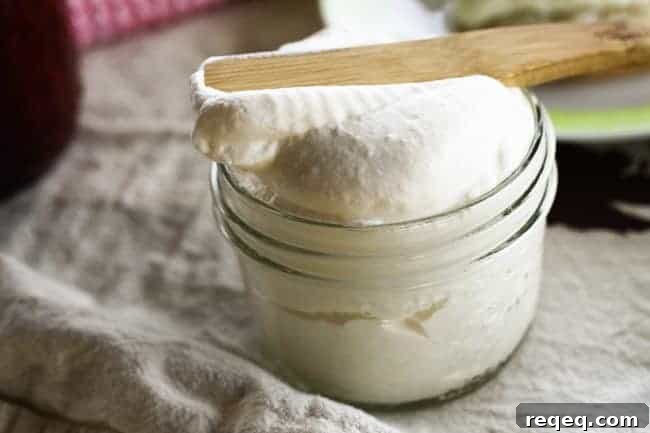
Clouted Cream a.k.a. Devon or Clotted Cream | Downton Grub Files
Rebecca Lindamood
Ingredients
- 1 quart raw or pasteurized and homogenized heavy cream Do NOT use ultra-pasteurized; it typically will not clot.
Instructions
-
Set the cream (in its original container or a lidded jar) on the counter at room temperature for 12–24 hours.
-
Pour the room-temperature cream into a glass, stoneware, or stainless steel pan so the cream is about 2–3 inches deep. Cover tightly and place in an oven set to 180°F for 8–12 hours, until a thick layer forms on top with pale yellow pools of butterfat.
-
Allow the covered dish to cool to room temperature, then refrigerate for at least 8 hours.
-
Scrape the thickened top layer into a tightly covered container—this is your clouted cream. Store in the refrigerator for up to three days and spread generously on scones, crumpets, or toast.
Nutritional information is an estimate and provided as a courtesy. Calculate nutrition using the exact ingredients you use and your preferred nutrition tool.
did you make this recipe?
Share your results on Instagram by tagging @foodiewithfam and using the hashtag #foodiewithfamily so the author can see your creations.