Recipes 4 min read
Mashed Potato-Style Squash Recipe: Creamy Comfort Side Dish
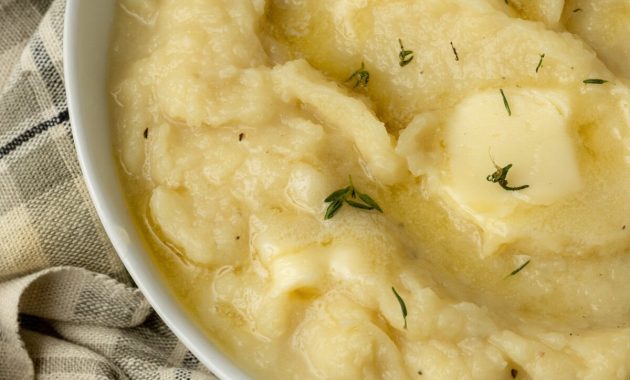
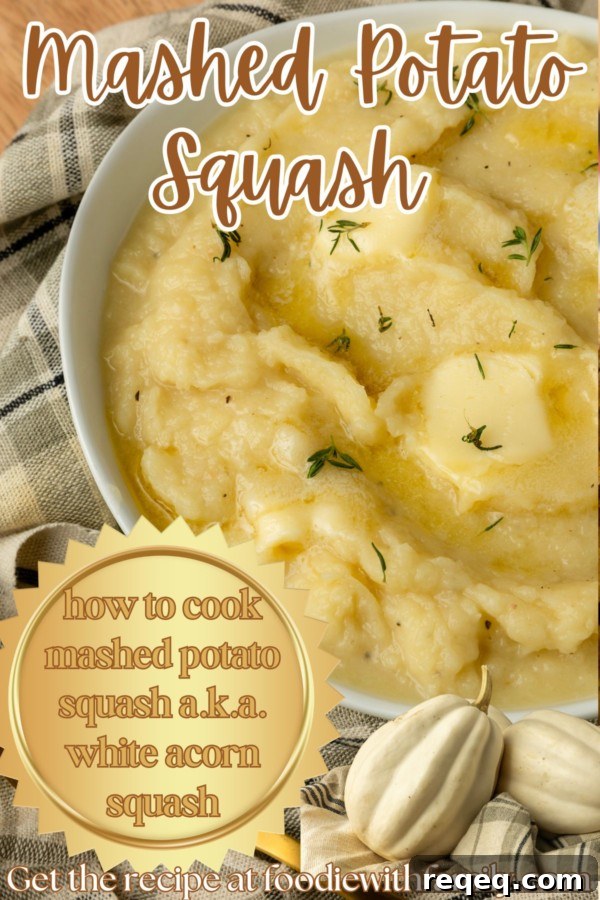
Easy to prepare and wonderfully versatile, mashed potato squash has a bright white exterior and a creamy flesh that tastes like a cross between mashed potatoes and sweet potatoes. Whether roasted in halves or mashed, this squash develops a soft, silky texture very similar to potatoes.
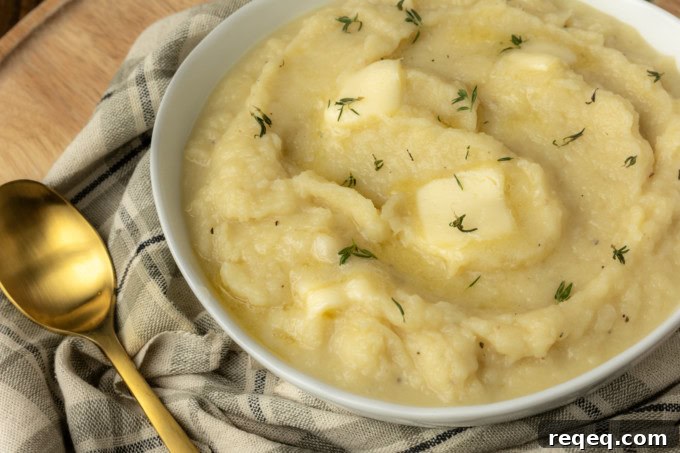
Mashed Potato Squash
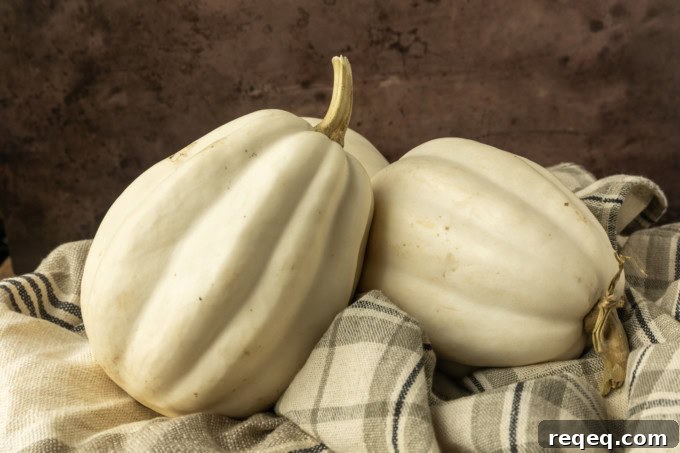
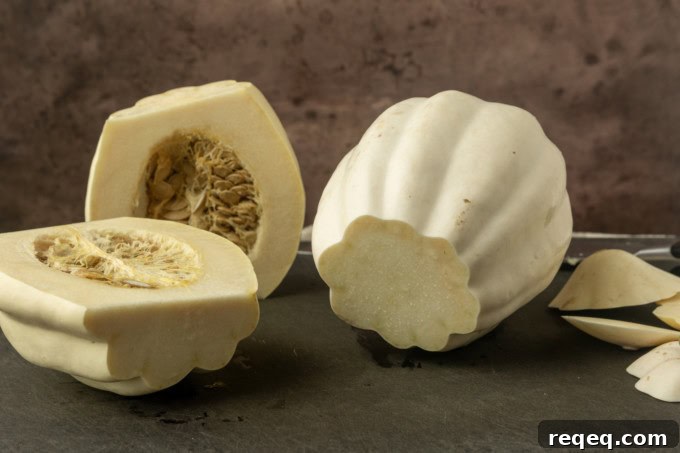
Mashed potato squash is appearing more often at grocery stores and farmers’ markets and is sometimes mistaken for a white pumpkin used in autumn displays. So what is it exactly? Essentially, it’s a type of acorn squash with pale, off-white skin and light yellow to ivory flesh. When cooked, its texture becomes exceptionally creamy and tender, making it an excellent substitute for traditional mashed potatoes.
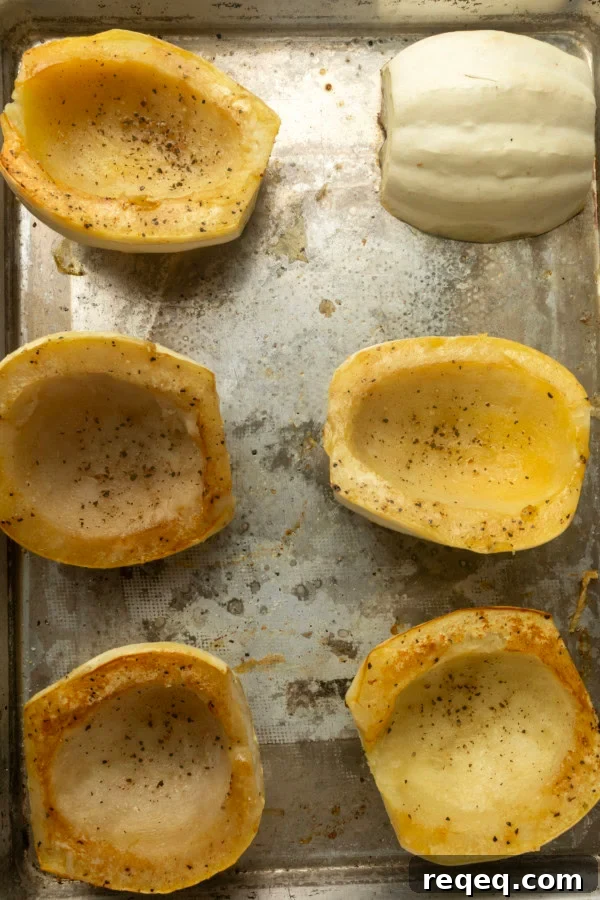
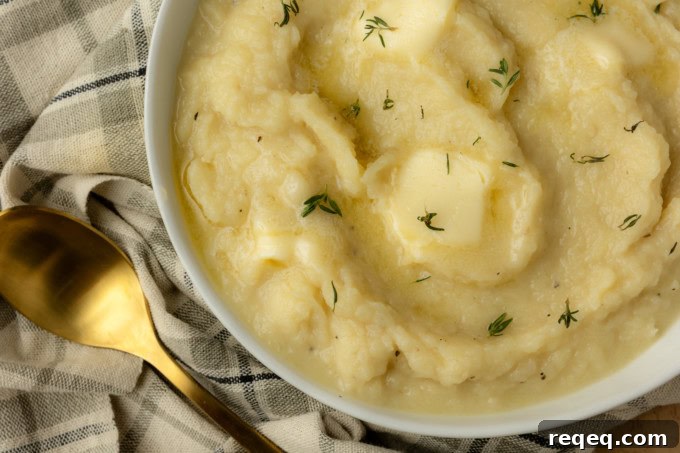
While it won’t taste exactly like a russet potato, its flavor lies somewhere between regular mashed potatoes and sweet potatoes—mildly sweet but not overpowering. You can roast halves and scoop the flesh straight from the shell for a simple side, or mash the roasted flesh with butter and milk for a richer dish. Either way, it’s a comforting, flavorful option.
Selecting and Storing
Mashed potato squashes are typically small, ranging from about 1 to 2 pounds. Choose squash that feels heavy for its size and has firm, unblemished skin without soft spots or insect damage—the cleaner the skin, the better the flesh will be.
Plan on roughly 1 pound of squash per person—so a 2-pound squash will serve about two. Leftover cooked or mashed squash keeps well in an airtight container in the refrigerator for up to three days. If you need longer storage, freeze portions in zipper-top freezer bags with the excess air removed; frozen squash will keep for several months.
How to Cook Mashed Potato Squash
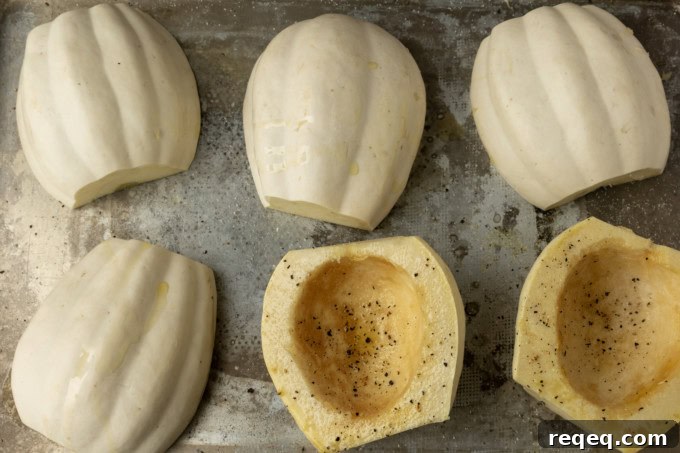
The toughest part is cutting into the squash—the skin is thick and firm, and the squash can roll while you work. An easy safety trick is to prick the skin a few times and microwave the whole squash for about 2 minutes; this softens the skin slightly and makes cutting much easier.
How to Cut Acorn Squash
To cut the squash, hold it firmly on a cutting board with your fingers tucked away for safety. Trim the stem and about 1/4 inch off the top, then remove a small disc from the blossom end to create a stable base. Stand the squash on the trimmed blossom end and slice it in half lengthwise. Use a spoon or ice cream scoop to remove the seeds and fibrous strings from the center.
Have you tried mashed potato squash yet? It’s a delicious, easy-to-make side that pairs well with roasted meats, sautéed greens, or simply a spoonful of butter and a sprinkling of herbs. Share your experience and favorite preparations!
Mashed Potato Squash
Ingredients
To Roast the Mashed Potato Squash
- 4 lbs mashed potato squash (about 4 small squashes)
- 1 tablespoon olive oil
- 1 teaspoon kosher salt
- 1/2 teaspoon black pepper or to taste
To Make Mashed Squash
- 1/2 cup milk gently warmed
- 3 tablespoons butter cut into small cubes
Instructions
-
Preheat the oven to 350ºF. Have a half-sheet pan ready; lining it with foil or parchment makes cleanup easier.
-
Trim the stem and about 1/4″ off the top, then remove a 1/4″ disc from the blossom end so the squash stands flat. Stand the squash on the trimmed blossom end and slice it in half lengthwise. Scoop out seeds and strings with a spoon.
-
Brush the cut sides with olive oil, season with salt and pepper, and place cut-side down on the sheet pan or in the air fryer basket.
Roasting in the Oven
-
Roast for about 45 minutes, or until a knife easily pierces the skin and flesh. Serve halves as-is or proceed to mash.
Roasting in the Air Fryer
-
Air fry at the recommended temperature for about 30 minutes, or until tender when pierced. Serve or mash as desired.
To Make Mashed Squash
-
Scoop the roasted flesh into a mixing bowl. Add warmed milk and cubed butter, then mash with a sturdy spoon or potato masher until smooth. Taste and adjust seasoning.
Notes
Nutrition
Carbohydrates: 49 g
Protein: 5 g
Fat: 13 g
Nutritional information is an estimate; calculate using the exact ingredients you use if needed.