
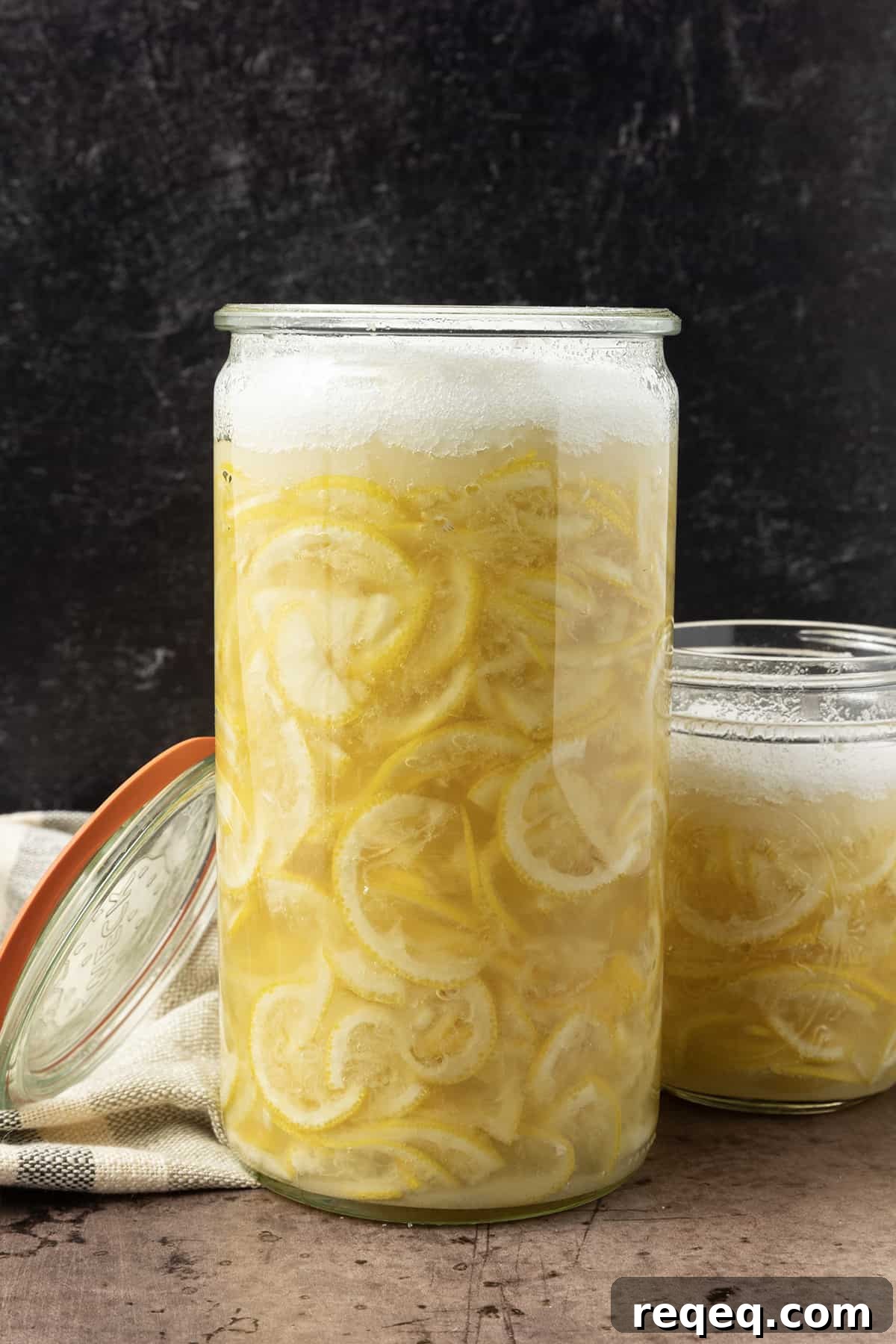
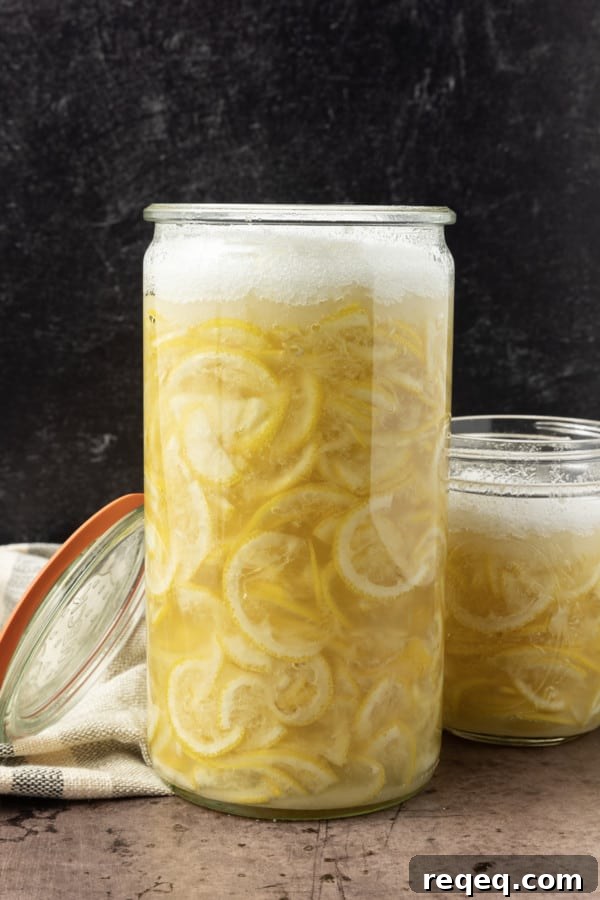
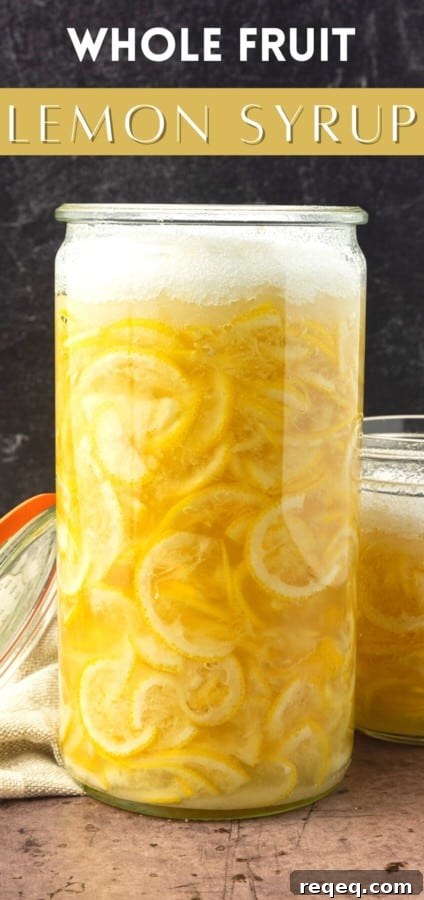
Cheong is a traditional Korean lemon syrup made from citron or yuzu, though this version uses lemons or Meyer lemons. Unlike a simple syrup, cheong transforms the whole fruit into a honey-like preserve that holds thin slices of citrus in a concentrated, bright syrup. A jar of cheong is incredibly versatile: stir a spoonful into hot water for a soothing tea, mix it into iced tea and cocktails, use it as a marinade for grilled meat, or fold it into a salad dressing.
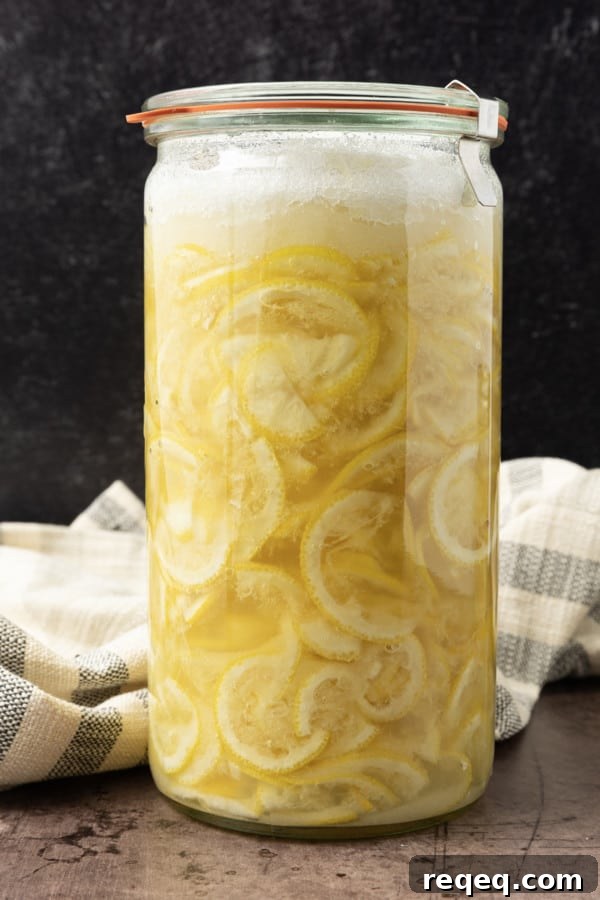
This easy cheong recipe requires only two main ingredients and minimal hands-on time. In Korea, yuja cha (citron or yuzu tea) made from cheong is traditionally enjoyed as a warming beverage during cold months and is prized for its vitamin C content. Store-bought jars are widely available in Korea and many Asian markets, but homemade cheong is simple to prepare and often tastes fresher and brighter.
Citron and yuzu (yuja) are aromatic Asian citrus fruits used traditionally for cheong. Citron has a thick, bumpy rind and a sharp sourness, while yuzu delivers a floral, complex aroma somewhere between lemon, grapefruit, and mandarin. Because fresh yuzu or citron can be hard to find outside Asia, regular lemons or Meyer lemons make excellent substitutes and still yield a flavorful cheong.
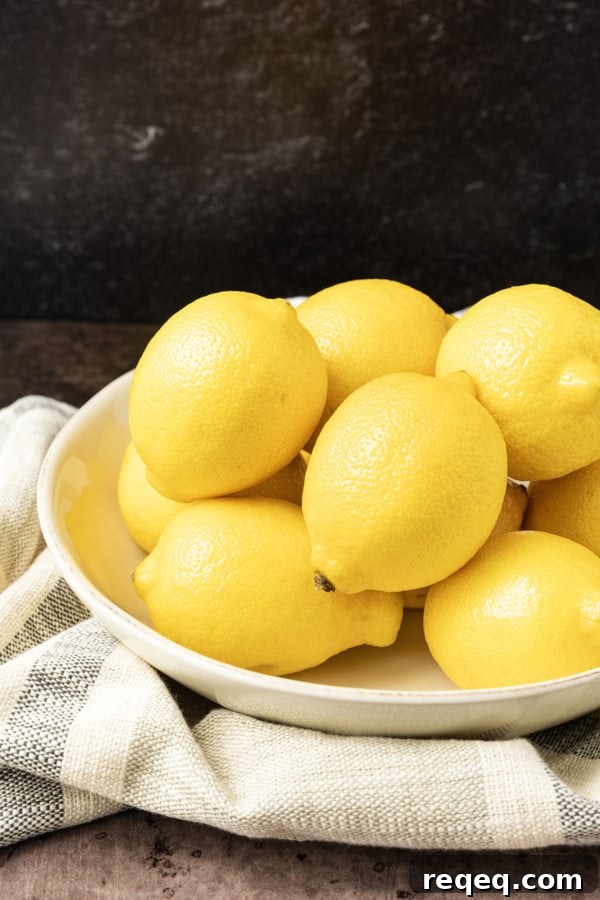
When selecting lemons for cheong, choose smooth, unblemished fruit that feels heavy for its size. Squeeze gently—the fruit should be slightly tender but not squishy. Very firm lemons often have thicker pith, which can make the final cheong more bitter.
Lemon Cheong Overview
Cheong is sometimes called lemon syrup, yuja marmalade, or yuja tea concentrate because the finished product resembles a marmalade with strips of rind and fruit suspended in syrup. You can make cheong with granulated sugar, raw sugar, honey, or a blend. The most important guideline is to match the weight of sugar or honey to the weight of sliced fruit (see recipe notes below).
Honey gives cheong a deeper color and may offer additional perceived health benefits, while granulated sugar produces a clearer, bright yellow syrup. Adding thin slices of fresh ginger during preparation creates a bold lemon-ginger cheong that’s especially comforting for colds or sore throats.
Before beginning, sanitize the jars and any utensils by running them through the dishwasher on the hottest setting or by thoroughly washing and rinsing in hot water. Clean equipment helps preserve the cheong safely.
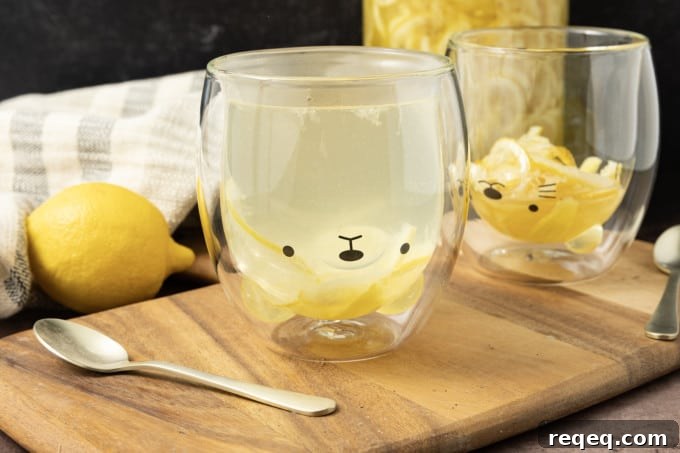
How to Make Lemon Cheong (Lemon Syrup)
1. Rinse the lemons, then scrub them with baking soda or coarse salt to remove any residues. Rinse again and pat dry. Trim a thin sliver from each end of the lemon, cut each lemon in half lengthwise, and remove visible seeds.
2. Slice the lemon halves as thinly as possible using a sharp chef’s knife or a food processor with a slicing blade. Remove any remaining seeds.
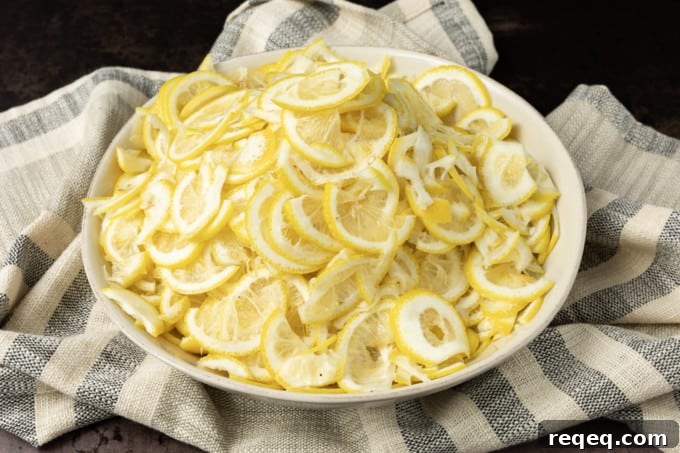
3. Place a mixing bowl or large measuring cup on a kitchen scale and tare to zero. Add the sliced lemons and note the weight.
4. Tare the scale again, then add about 3/4 of the lemon weight in granulated sugar or honey. Use clean hands or a wooden spoon to mix the citrus and sweetener so the lemon slices are evenly coated and the sweetener begins to draw out juices.
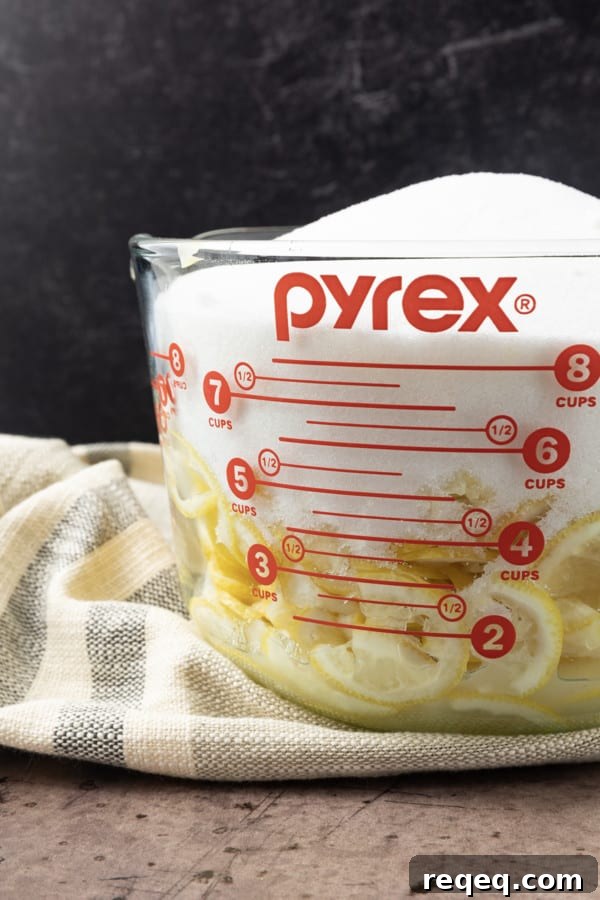
5. Divide the lemon-sweetener mixture between sanitized jars. Press the fruit down firmly to release liquid and help submerge the slices under the syrup forming in the jar.
6. Sprinkle the remaining sugar or honey on top of the lemons in each jar, seal tightly, and leave the jars at room temperature out of direct sunlight for three days. During that time, stir and press the lemons back down once or twice so they remain submerged and the syrup develops evenly.
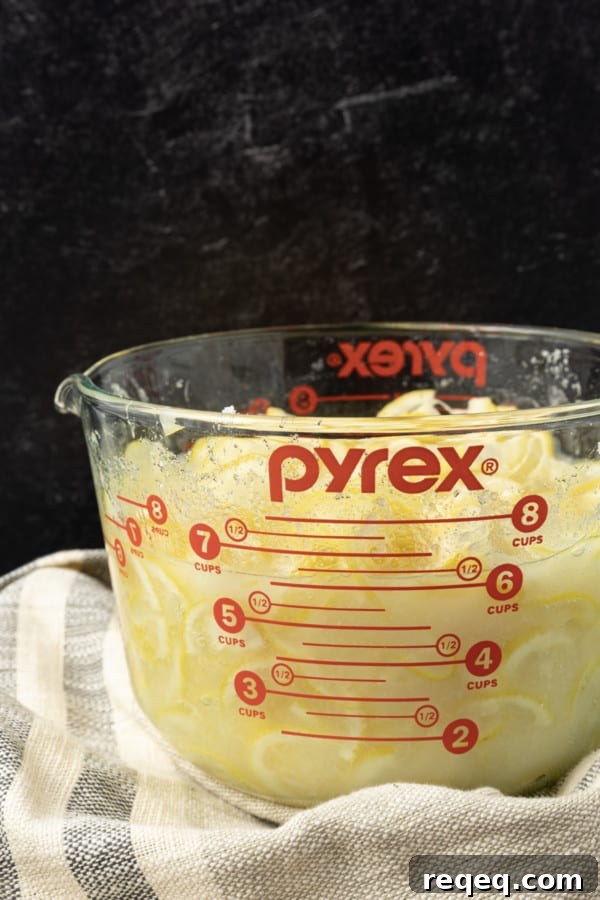
7. After three days, transfer the finished cheong to the refrigerator. Tightly covered, it will keep up to six months. The syrup will continue to mellow in flavor over time.
To Make Citron (Yuja) Tea
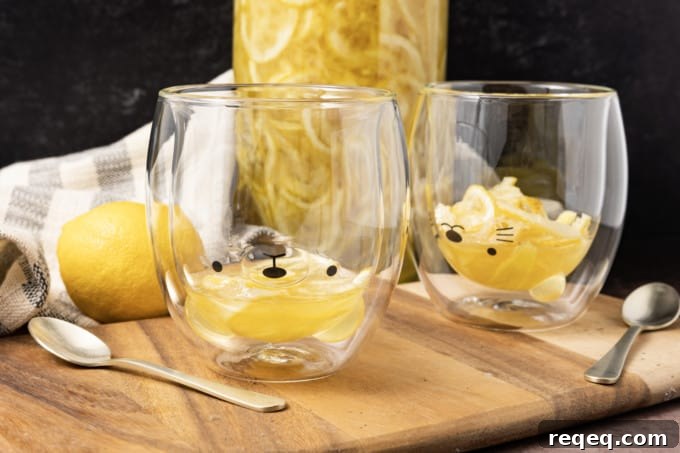
Scoop 1–2 tablespoons of cheong (or more to taste) into a mug, add very hot or boiling water, stir, and enjoy. If you added ginger to the cheong, the tea will have an extra warming kick. You can eat the softened fruit slices after drinking for added fiber and nutrients, or leave them in the jar for future cups.
Notes on sweetener amounts: the recipe doesn’t list a fixed sugar weight because you match the amount to the weight of your sliced lemons—about 3 ounces on average per lemon, though individual fruit varies. Use granulated sugar for a clearer yellow cheong; honey or demerara sugar will produce a darker, amber-colored syrup. Any of these options are delicious.
Lemon Syrup (Cheong)
Equipment
- Food processor or chef’s knife
- Cutting board
- Kitchen scale
- Mixing bowl
- Two quart jars or 1.5-liter jars
Ingredients
- 10 lemons or Meyer lemons
- About 2 lb (≈900 g) sugar or honey — match the weight of the sliced lemons (see notes)
Optional
- Fresh ginger, peeled and thinly sliced
Instructions
- Rinse and scrub lemons, rinse again, and pat dry. Trim ends, halve lengthwise, and remove seeds.
- Slice halves very thinly with a knife or food processor, removing any remaining seeds.
- Weigh the sliced lemons on a kitchen scale and note the weight.
- Add about 3/4 of the lemon weight in sugar or honey, mix thoroughly to draw out juices, and divide between sanitized jars, pressing fruit down to submerge.
- Sprinkle remaining sugar or honey on top, seal jars, and leave at room temperature out of direct light for 3 days. Stir and press down occasionally.
- Refrigerate tightly covered for up to 6 months.
To Make Citron (Yuja) Tea
- Spoon 1–2 tablespoons of cheong into a mug, add very hot or boiling water, stir, and enjoy. Add extra fresh ginger if desired. You may eat the softened fruit.
Notes
Match the weight of sugar or honey to the weight of sliced lemons. A typical lemon weighs about 3 ounces, but sizes vary. Granulated sugar keeps the syrup clear and yellow; honey or demerara sugar will darken it to a golden amber. Adding thinly sliced raw ginger before weighing enhances the flavor and adds warming spice.
Nutrition (estimate)
Calories: 190 kcal | Carbohydrates: 50 g | Protein: 1 g | Fat: 0.3 g | Sugar: 47 g | Vitamin C: 29 mg
Nutritional information is an estimate. Calculate with your actual ingredients if precise values are needed.