
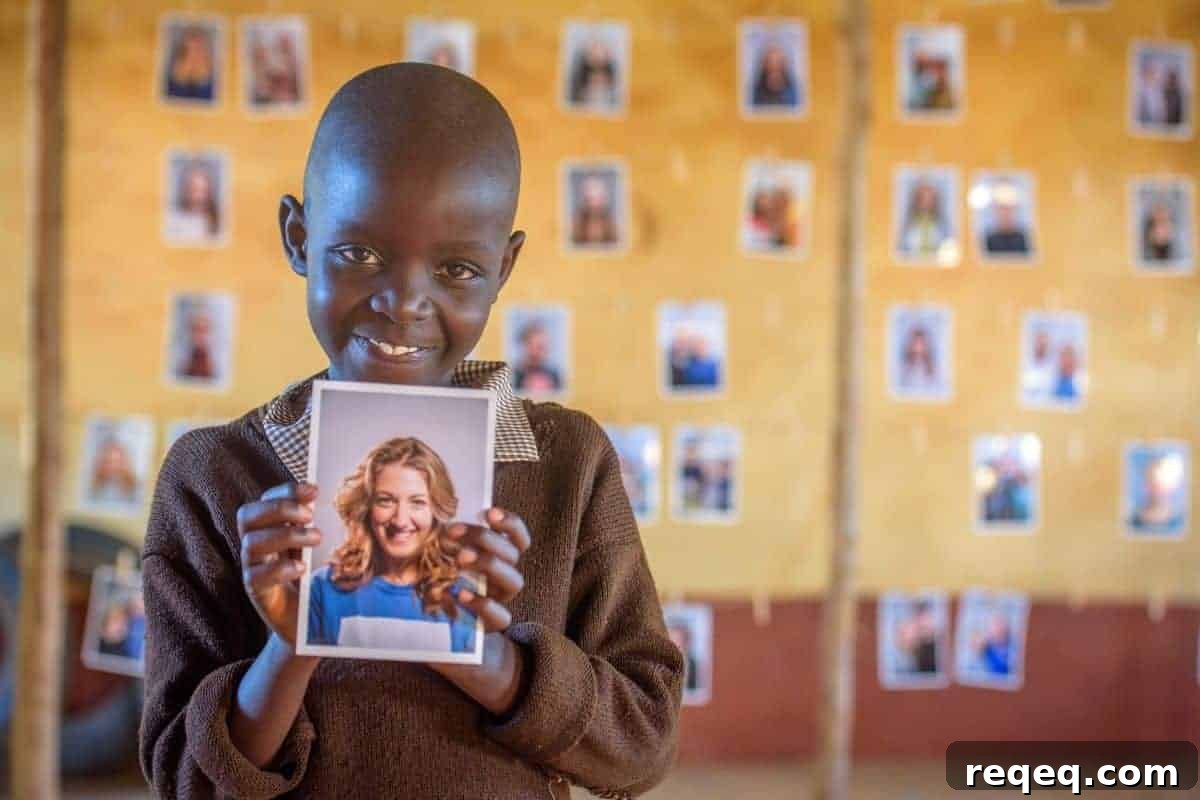
I am honored to partner with World Vision for this post. World Vision invited me to Ecuador to help share the #Chosen program; I am not being compensated for this post and all opinions are my own. Photos marked ©2019 World Vision are provided by World Vision. Follow along day-by-day on instagram and facebook, and I’ll return here to share more photos and reflections from the trip.
Next week I travel to Ecuador with World Vision, and I’m thrilled to bring you along virtually. What makes this trip so special is the way World Vision is reimagining sponsorship—giving children themselves the opportunity to choose their sponsors. If you’re eager for a preview, you can visit the link mentioned below and then come back for the full story.
World Vision is a global humanitarian organization that has worked for nearly 70 years to support children, families, and communities as they confront poverty and injustice. My kids participate in their annual “30 Hour Famine,” where they fast and engage in service to raise funds and awareness for communities around the world.
For many people, World Vision is synonymous with sponsoring children in developing communities. I remember commercials showing photos of children waiting for sponsors. That model has been powerful for decades—but World Vision wondered what might happen if they flipped the script.
I want to share something personal: my parents worked for the church when I was growing up. They devoted themselves to running a residential foster facility in rural Kentucky and later lived on the grounds of a Christian retreat center and camp my dad managed. Those were not lucrative roles, and we often lived below the poverty line. Even so, I never went to bed hungry or felt deprived. That was a form of privilege.
Many children around the world are born to loving parents yet still face hunger, lack of clean water, and barriers to education. Those realities are part of what motivates me to support programs that restore dignity and opportunity.
How Child Sponsorships Work
Traditionally, World Vision identifies communities in need and registers children who are at risk. Sponsors commit to a monthly gift that supports long-term, community-focused development: healthcare, clean water, nutrition, schooling, and shelter. When you sponsor a child, you can correspond with them, send small packages where allowed, pray for them, and give additional gifts toward specific needs.
Importantly, programs begin to benefit the entire community even before individual children are sponsored. The sponsor’s monthly commitment supports community-wide projects, while occasional smaller gifts can address a sponsored child’s particular needs. The emotional impact of sponsorship—letting a child know someone cares for them personally—is profound. Love and relationship matter.
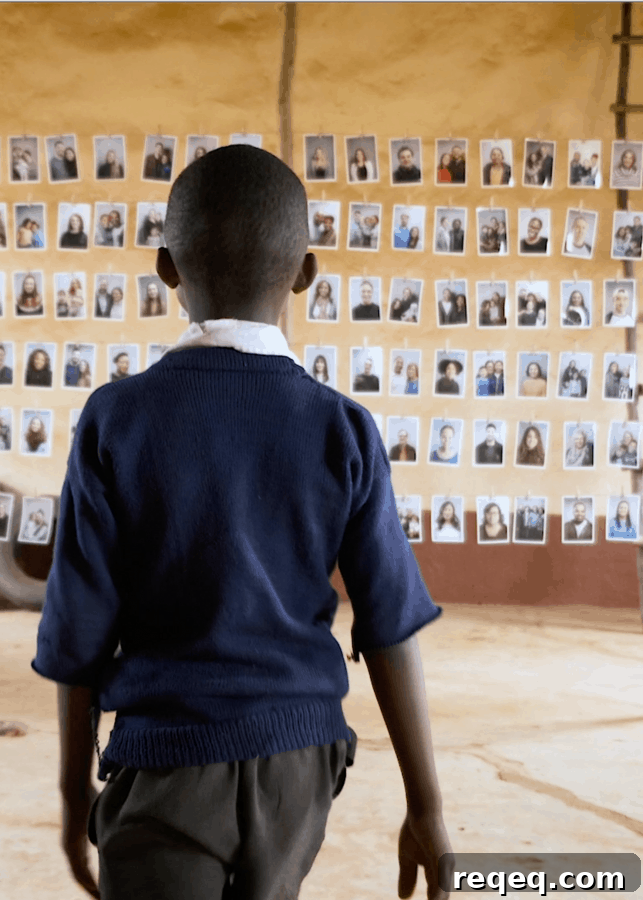
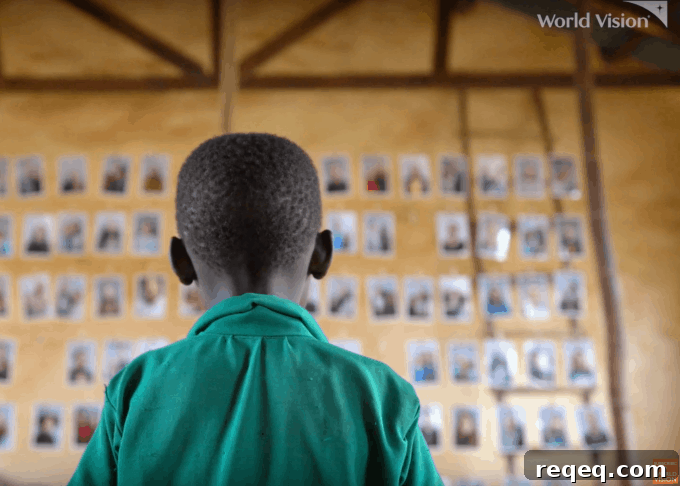
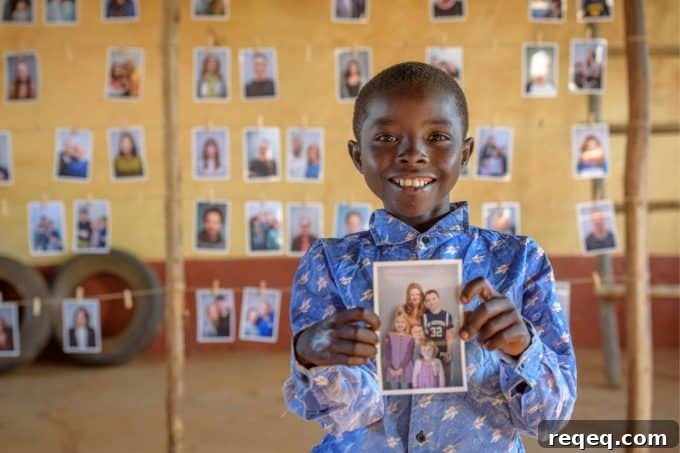
But World Vision asked: what if children got to choose their sponsor? Poverty robs families of many choices; in some cases children enrolled in sponsorship programs wait years to be matched with a sponsor. Giving children the chance to choose who will sponsor them restores agency and dignity.
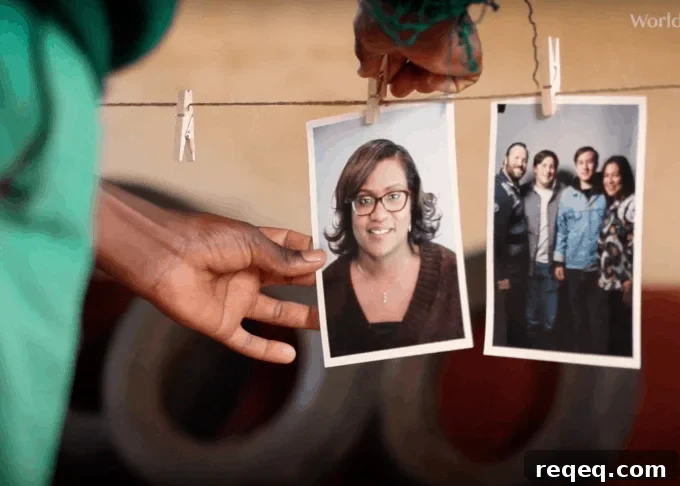
What if the children got to choose the sponsor? #Chosen
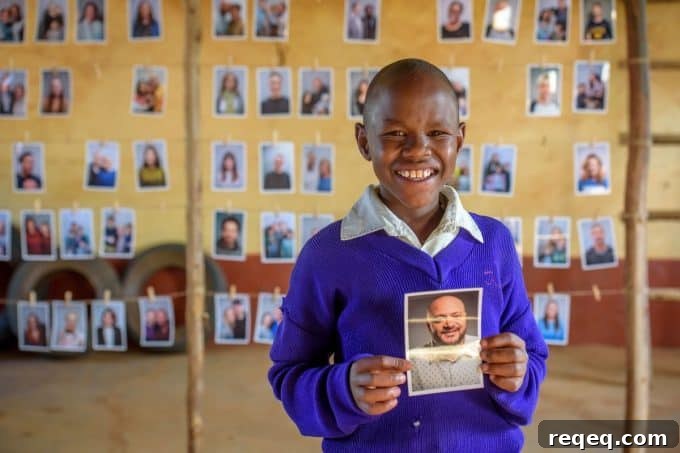
That’s what we’ll see in Ecuador: children selecting their sponsors for the first time in this pilot. I’m excited because this gives children a voice in a decision that affects their lives. At the event we’ll attend, children will be able to choose their sponsors in person. I’ll be photographing and sharing the experience as it unfolds.
We’ll visit World Vision partner communities in Ecuador, speak with families participating in the program, and witness the selection event where the children choose. The chance for a child to select a sponsor is a meaningful expression of empowerment and mutual respect.
What World Vision Does in Communities
When World Vision opens an Area Program, staff spend the first one to two years listening to community leaders to identify priorities and develop a long-term plan—typically a 15 to 20 year commitment. The aim is to build local capacity so communities can sustain progress after World Vision transitions out.
Sponsorship funds support community-wide development projects that benefit all children and families. For example, a new school in Uganda served many students, only some of whom were sponsored children; everyone in the community benefited from the investment. Similarly, a dug and maintained clean water well serves the whole village, not just sponsored children.
This community-centered approach reduces dependency and fosters lasting change. Each sponsor’s monthly contribution is invested where it can strengthen the community and improve life for the sponsored child and their neighbors.
You can learn more about World Vision’s community-centered model and how sponsorship works on World Vision’s own resources.
How You Can Help
You can apply to be part of the Chosen event during the specified signup window. If a child selects you at the event, you’ll begin a sponsorship that includes correspondence, prayer, and the chance to build a relationship. To apply for consideration you submit a photo and basic details—this photo can show you alone, you and your spouse, your family, or a group joining you in the commitment.
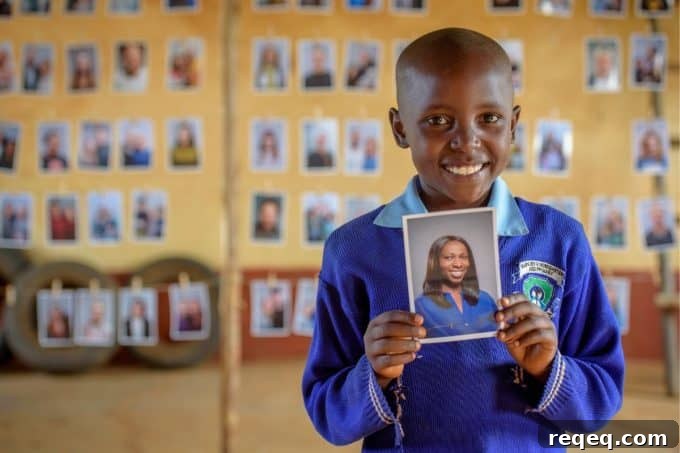
Being chosen is a deeply meaningful moment for a child and sponsor alike. Sponsorship through the Chosen program starts at $39 a month, and you can sponsor more than one child if you wish. I’m honored to witness this process in Ecuador and to share it with you. To encourage participation, Foodie with Family will match the first two sponsors who sign up through the link I’m sharing.
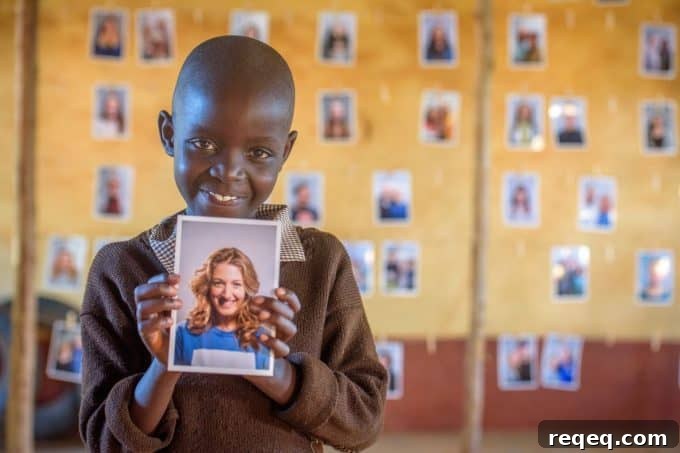
Please join our team in praying for the children, the families, the local leaders, and the staff working alongside them. My family and I will be sending letters, small gifts, and prayers to the children sponsored through Foodie with Family.
*My children, my husband, and I will be sending letters, small gifts, and prayers to the children sponsored by Foodie with Family.
Questions I Asked World Vision
Below are some common questions and World Vision’s responses.
Is being or becoming a Christian required to receive help?
“No. We are a signatory to the International Red Cross Code of Conduct, which states that aid is given regardless of the race, creed, or nationality of recipients and without adverse distinction of any kind. Aid priorities are calculated on the basis of need alone.”
“While many of our staff are Christian, we will not select partners or beneficiaries based on religion, nor will we insist on delivery of religious messaging or use aid to induce a change of religion. We are inspired by Christian values but seek to serve people of all faiths.”
Is evangelism a part of World Vision’s projects?
“No. World Vision does not proselytize. We do not demand that people hear any religious message or convert to Christianity before, during, or after receiving assistance. Educational activities based on Christian values may occasionally be included where appropriate and desired by the community, and we often partner with local faith-based organizations when it supports inclusive, collaborative work.”
When did the model change from sending money directly to a child’s family?
Decades ago World Vision—and other organizations—recognized challenges with giving payments directly to individual children or families. Direct payments sometimes caused jealousy and division and made it difficult for communities to maintain progress once a program ended. The shift to community-centered development helps ensure benefits reach everyone and that communities can sustain improvements over time.
One example illustrating long-term impact is Tipu Azad’s story: a former sponsored child who now lives and works in his community while pursuing a degree in social work.
Learn more about World Vision and their work in communities.