
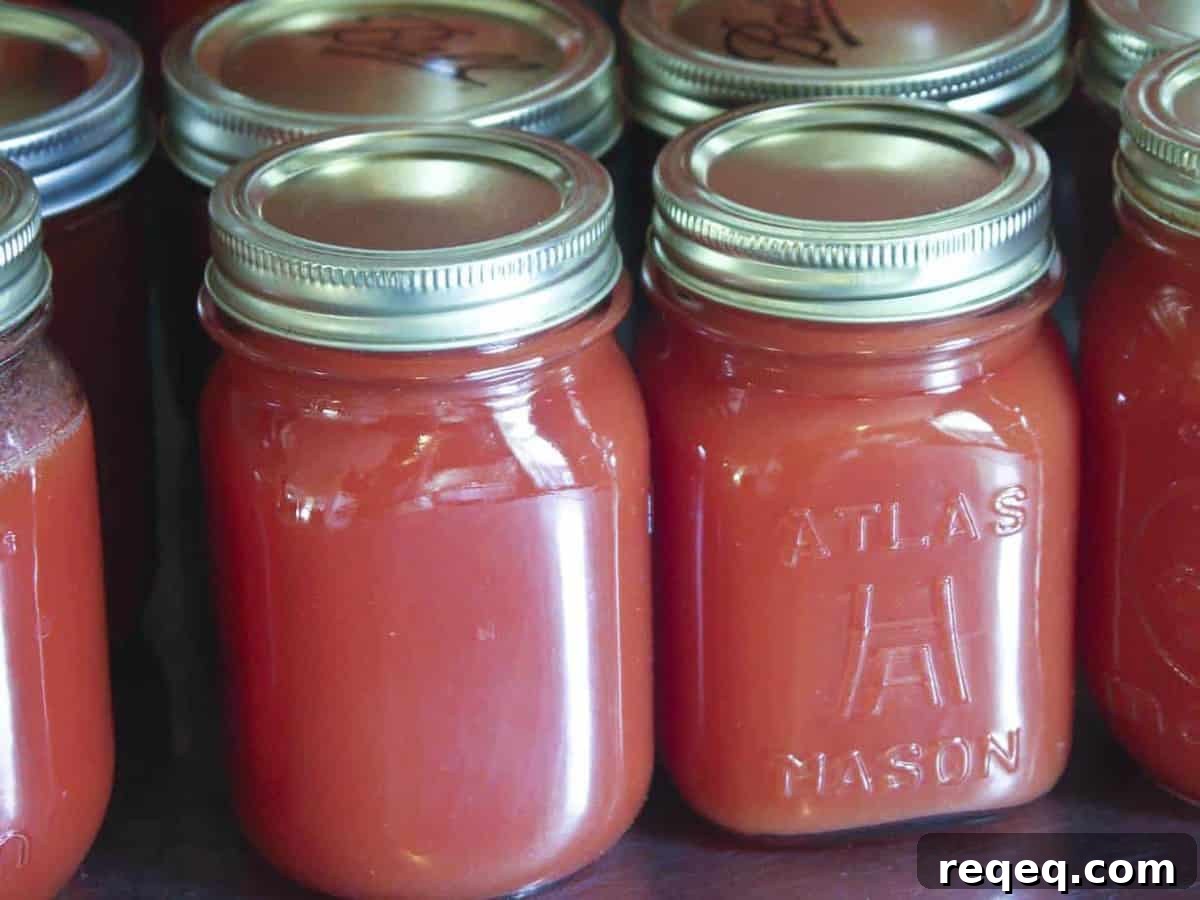
A few weeks ago my mom traveled to Michigan to visit her sisters and my grandma.
One evening while my mom and baby sister were visiting, the Shaffer women—what they always become when they’re together—and Grandma gathered around the kitchen table to talk about food and enjoy each other’s company. That’s when Grandma brought out the game.
Boggle. My grandmother is usually sweet, kind and gentle. My late grandfather was a pastor and Grandma fed any stray person or dog Grandpa brought home; there were many mouths to feed.
She is kindness itself. I’ve never heard her say a bad word or gossip about anyone. She doesn’t drink, she rarely swears, and she cares for everyone who crosses her path.
But put Boggle in front of her and she transforms. Grandma has soundly defeated engineers, teachers, theologians, English majors, physicians and housewives. To my knowledge, she’s undefeated at Boggle in her 83 years.
Grandma is a walking thesaurus, a machine for creating words.
And don’t let her sweetness fool you—if you write a word incorrectly or invent one, she’ll call you out and then offer you a bite to eat because you look famished.
Playing Boggle is the only time my Grandma talks smack. She challenged my mom and aunts: “Come on. I’ll wallop the dang out of you!” Straight-faced, she said it.
I learned how to can from these women. I can picture all five of them around Grandma’s table or on her porch peeling peaches, snapping green beans, packing tomatoes, brining pickles—and then playing Boggle to unwind after a marathon canning session.
If I focus, I can almost feel the steam from the canner on the stovetop. They would sit, talk, laugh and eat while putting up the summer’s produce from Grandma’s garden for the winter.
Nothing was wasted. If something couldn’t be eaten immediately it was frozen, canned, or fed to the wildlife around what we called “Grandpa’s Mountain.” All creatures great and small ate well when my grandma was around.
I’m blessed that these women are still canning and remain present in my life. We regularly call or email to share canning tallies.
Yes—my Grandma emails. She’s a techno-Grandma.
There’s a special pleasure in hauling jars of summer tomatoes up from the basement to make dinner on a dreary winter evening. But sharing what you’ve canned is more than half the fun.
My sister and I carry on the tradition. We make staples—tomatoes, salsa, pickles, jam—and each year we try a new recipe so we have something special to swap. We also do our best to send jars up to our family in Michigan every year.
This past summer I couldn’t make the trip north. I saw Aunt Sarah briefly and sent a heavy box of pickles and jam with her to distribute among Grandma, Aunt Molly, Aunt Vicki and cousins during her visit.
Don’t worry—I didn’t offload a massive box of jars on some unsuspecting stranger. Aunt Sarah, only a few years older than me, agreed to carry the box because I added an extra jar of pickles as thanks.
She might’ve also agreed because she loves me. Next time I’ll ask whether it was love or the extra jar that convinced her.
I wish I’d canned tomatoes before that visit—I would have loved to send along one of our recent favorites: V-7 Juice. It’s a canning recipe that makes me think of Grandma.
This seven-vegetable juice blend uses up odds and ends from a well-stocked garden. No garden? No problem—you can assemble the vegetables from a grocery store or farmer’s market.
If you’re tempted to make it into homemade V-8 by adding another ingredient, go ahead—between my husband, kids and me there are seven of us, so V-7 feels right and nostalgic, and I leave it at that.
This juice is a bit of a project. It’s not difficult, but it is time-consuming. Plan for about five hours from start to finish; those hours can be split over a couple of days so they don’t have to be consecutive.
The flavor is astonishingly fresh and well worth the effort. It’s far better tasting and healthier than canned store-bought vegetable juice because you control the ingredients and sodium.
Frankly, it smokes the store versions — it really does wallop the dang out of them.
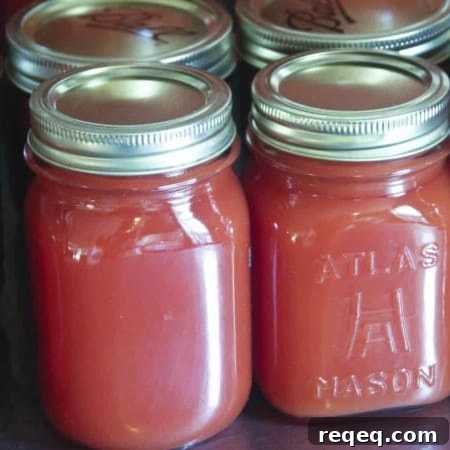
Homemade V-7 (not 8) Garden Vegetable Juice Blend
Rebecca Lindamood
Ingredients
- 24 pounds tomatoes
- 1 pound carrots scrubbed and diced
- 1 head celery scrubbed and diced
- 1 cup diced onions
- 1 large bunch parsley washed (If not from your garden, buy a bundled bunch. If you grow it, firmly pack a measuring cup with washed parsley still on its stems.)
- 1 Tablespoon Kosher or sea salt optional
- Bottled lemon juice use the best quality you can afford.
Instructions
-
Wash the tomatoes and remove the core by slicing a shallow wedge from the stem end. Cut small or medium tomatoes into quarters; larger tomatoes into eighths. Add a couple of cups of chopped tomatoes at a time to a large, non-reactive stockpot over medium-low heat, breaking them up with a spoon or potato masher as you go. Continue until all tomatoes are in the pot. Add the carrots, celery, onion and parsley and stir. Increase heat to medium-high and bring to a boil, stirring to prevent scorching. Reduce heat and simmer about 35 minutes, until carrots and celery are mostly tender.
-
Place a strainer over a large bowl or another stockpot. Ladle the vegetables and juice into the strainer. Once strained, return the collected liquid to the rinsed stockpot. Juice the remaining vegetables (or process them in a food processor or food mill until smooth) and strain into the stockpot to remove seeds and peels. If using salt, stir it in now.
-
Heat the juice to 190°F. Do not boil. If you lack a thermometer, you’ll see a lot of steam rising from the surface without bubbles breaking through. Hold at this temperature for 5 minutes.
-
Add 1 tablespoon bottled lemon juice to each sterile pint jar and 2 tablespoons to each sterile quart jar. Ladle hot juice into jars, leaving 1/4 inch of headspace. Wipe rims, add lids and tighten rings until resistance is met.
-
Fill your canner about halfway with tepid water. Arrange jars in the canner and add water to cover jars by 2 inches. Cover and bring to a full rolling boil; start timing then. Process quarts 40 minutes and pints 35 minutes. Carefully move finished jars to a cooling rack or towel and let cool overnight undisturbed.
-
When cooled, sealed lids will be concave and tight when pressed. If a lid fails to seal it will flex when pressed; store unsealed jars in the refrigerator and use them first. Properly sealed jars can be stored in a cool, dark place for up to a year.
Nutritional information is an estimate and provided as a courtesy. Calculate nutrition using your actual ingredients and preferred nutrition calculator.
Did you make this recipe?
Tag @foodiewithfam on Instagram and use #foodiewithfamily so I can see your creations!