
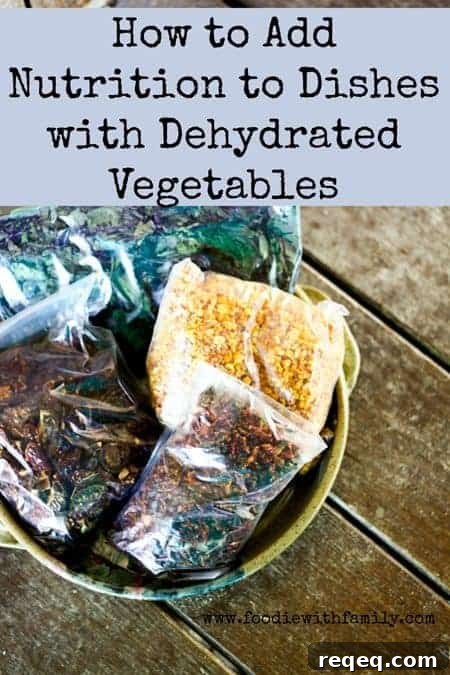
Over the years many people have asked how to get picky children to eat more vegetables. I finally decided to address that question here, but first a little backstory.
For a while I thought I had it all figured out. My two oldest boys would try almost anything I put on their plates. If they didn’t like something, they usually took a few polite bites before asking to be excused. I was proud and confident I had the right approach—until sons number three, four, and five arrived and completely upended my assumptions.
Each of those younger boys introduced a new level of pickiness. Number Three preferred classic pub-style meals: meat, potatoes, and occasional corn or peas. He accepted gravy but refused fruit. Number Four was strictly a fruit person—fresh over cooked—and opposed most vegetables unless they were French fries. Number Five was the most extreme: no vegetables, no fruit, and only a few simple textures he would tolerate, like a hot dog, hamburger, or plain milk.
I tried every strategy—pleading, negotiating, limiting choices, offering more choices, repeated introductions, and even threats. Nothing worked. Number Three finally told me, “Mama, it’s texture. I don’t mind if you put stuff in there if I can’t tell it’s there.”
That comment launched my vegetable-hiding experiments. Grated carrots, zucchini, and onions worked when blended into ground meat. Dried herbs were tolerated and I used them liberally. But my best discovery came from a suggestion by my stepmom: she dehydrated extra vegetables, powdered them, and stirred the powder into soups, stews, and sauces. If I dehydrated vegetables and pulverized them into a fine powder, nobody would notice the texture—yet they would still get the nutrients.
I tried dehydrating and grinding bell peppers, corn, cherry tomatoes, zucchini, and potatoes, then adding the powders to soups, stews, and pasta sauces. The tactic worked remarkably well. To be clear, I did not feel I was deceiving my kids forever—once they noticed different colored powders and asked about them, I explained. They liked the idea of “Astronaut Power Powdered Food” and were happy to eat it to get the nutrition without dealing with the original textures.
Greens were more challenging. Broccoli and cabbage have strong flavors that my kids detected, but a tip from my sister changed everything: she dehydrated beet greens and crumbled them into soups to boost vitamins and minerals. Beet greens—along with kale and chard—dehydrate into a mild, crumbly texture that powders easily and blends into savory dishes with minimal flavor impact.
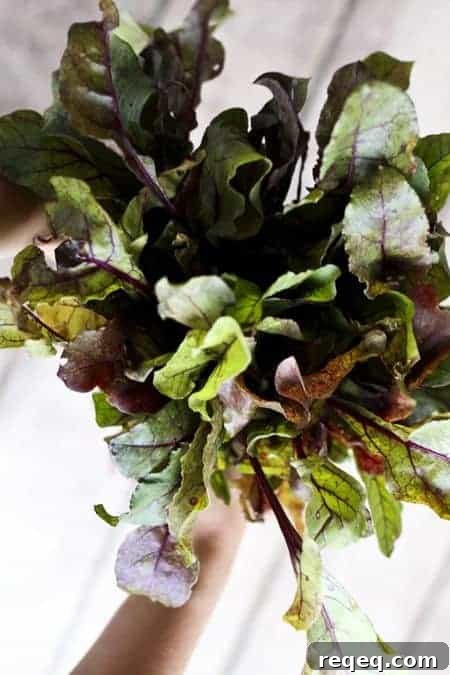
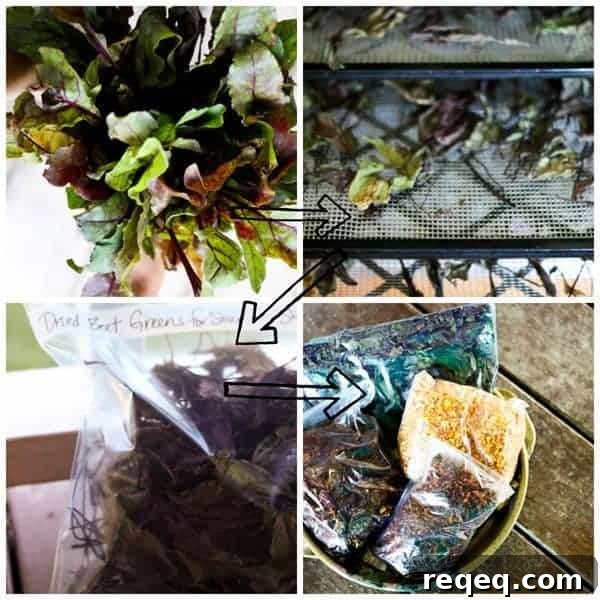
I bought a large bunch of beet greens at the farmers’ market, rinsed them, and dehydrated them until brittle. They crushed into a fine powder and stored well in a sealed bag. I started adding this powder to spice blends for chili, sloppy joes, and even pizza sausage, and dreamed of stirring a tablespoon or two into smoothies. It’s a simple way to boost nutrition in many dishes.
Do I need a dehydrator to dry vegetables and fruits?
A dehydrator is convenient and retains nutrients better because it operates at lower, consistent temperatures. I use a multi-tray dehydrator for large batches, but an oven with a low setting (around 200°F or lower) can also work. Oven-drying usually takes much longer and requires closer attention—sometimes up to 16 hours—while a dehydrator typically needs four to eight hours depending on the vegetable. Lower drying temperatures preserve more nutrients, so a dehydrator is often the preferred choice.
 How do I make dehydrated vegetables?
 How do I make dehydrated vegetables?
In short: remove any inedible parts, slice or chop the vegetables into uniform thickness (about 1/4- to 1/2-inch or thinner), arrange them on dehydrator trays or oven racks, and dry until fully brittle. If you plan to rehydrate larger pieces in dishes, aim for uniform size so they rehydrate evenly. If you’ll pulverize the dried vegetables into powder, the shape is less important.
Are there vegetables or fruits I can’t dehydrate?
Most fruits and vegetables can be dehydrated, but some produce emits strong odors while drying—broccoli, turnip greens, and onions can smell unpleasant. If you dry these, consider placing the dehydrator in an outbuilding, garage, or on a porch. Greens like beet greens, mustard greens, and chard tend to be milder and less offensive.
What gives? Where’s the recipe?
This is more of a method than a single recipe: buy or harvest fresh greens like beet greens, chard, kale, or spinach; dehydrate and crush them; then add the powders to soups, stews, sauces, smoothies, or baked goods. Start with small amounts and increase as you test flavor and texture. Dehydrated vegetables that took longer to dry may take longer to rehydrate, but powdered forms integrate readily into many wet dishes.
How to Add Nutrition to Dishes with Dehydrated Vegetables
- Use fresh produce for best flavor and nutrients. Farmers’ markets are ideal sources.
- Wash and cut vegetables into even pieces (about 1/4-inch or thinner) for consistent drying. Remove peels you wouldn’t eat raw or cooked.
- Dry vegetables until they are brittle. If a piece snaps, they are dry enough to powder.
- Cool dried vegetables completely before storing in sealed bags or jars; keep them in a cool, dark place.
- Use a clean coffee grinder or blender to pulverize dried vegetables for soups, stews, broths, or baked goods.
- Harder dried vegetables (like corn) should be ground more finely before use.
Things to Remember When Using Powdered Dehydrated Vegetables
- Unless ground to a micro-fine powder, dried vegetables may be gritty and need time to rehydrate. Add them at least 10 minutes before a dish finishes cooking so they can bloom. Dried leafy greens crumble and rehydrate more quickly and can often be added near the end of cooking.
- When baking, whisk a tablespoon of powdered vegetables into the dry ingredients before combining with wet ingredients.
- Powdered vegetables retain more nutrients when ground just before use, similar to spices.
- Dehydration concentrates flavor. Start with small amounts and adjust to taste.
- Powders can clump when added to liquids; whisk them into a small amount of broth, water, or milk first, then stir into the pot.
- Some dried vegetables act as thickeners. Dried potatoes and corn, for example, can significantly thicken soups and sauces.
Where to Use Dehydrated Vegetable Powders
- Add spinach, tomato, or beet powder to bread to boost color and nutrients without strong flavor.
- Stir sweet potato powder into biscuit dough for richer flavor and nutrition.
- Add crumbled greens or zucchini powder to black bean soup, taco soup, or chicken noodle soup.
- Mix powdered corn into chili spice blends as a subtle thickener and flavor enhancer.
- Combine powdered vegetables with herbs and plain Greek yogurt or sour cream to make a quick vegetable dip—let it rest in the fridge for an hour.
- Add powdered bell peppers to slow-cooker dishes to provide pepper flavor without texture for picky eaters.
- Stir powdered spinach or other greens into pasta sauce where they blend invisibly.
- Blend a tablespoon or two of dried greens, carrot, or beet powder into smoothies for added color and nutrients.
Do you add vegetables covertly to dishes, or are you lucky enough to feed only non-picky eaters? Do you dehydrate summer produce for later use?