
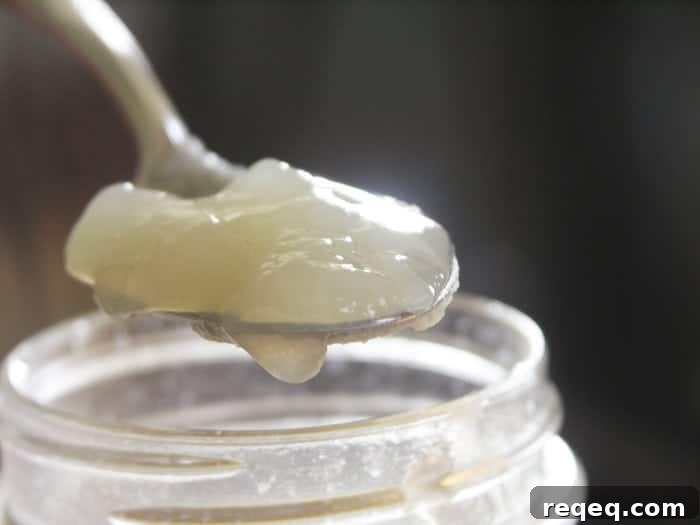
Let’s talk chicken stock.
Do you keep it on hand? Having chicken stock in your kitchen is like owning a little black dress or a favorite pair of shoes: versatile, reliable, and comforting.
The best chicken stock is made at home. Making it yourself gives you control over complexity, flavor, intensity, and salt level because you decide what goes into the pot. But beyond control, there’s another important factor: texture.
Texture may not be the first thing you think of when you consider chicken stock, but it matters. Store-bought cartons are convenient, but they rarely match the depth and mouthfeel of homemade stock.
Well-made homemade stock turns rich and gelatinous when refrigerated. That texture signals concentrated nutrition made accessible through slow simmering: calcium, protein, gelatin, glucosamine, chondroitin, magnesium, and phosphorus. Commercial stocks—even the premium brands—seldom achieve this. Homemade stock gets its body and nutrients by gently simmering bones and trimmings until their flavor and goodness are fully extracted.
I keep a small, lidded pail in the freezer for trimmings: bones from thighs, necks, cleaned feet, and backs from whole chickens I break down. Chicken feet in particular add a remarkable silkiness because of the connective tissues that release gelatin. If you don’t have access to whole chickens with feet and necks, check an ethnic market; often you can find affordable chicken feet. The idea of simmering feet can feel odd at first, but the resulting broth is supremely velvety and deeply flavored.
With or without feet, homemade stock’s nourishment is why it’s traditionally given to people who are sick or recovering: it’s comforting, restorative, and economical. It’s simple, satisfying, and exactly what good food should be.
Below are two favorite stock recipes. They’re guidelines—feel free to adapt them. Keep in mind that flavors concentrate during simmering, and avoid adding too much salt while making stock. Salt is better added later, when you use the stock in soups, sauces, or other dishes.
If the idea of gelatinous stock worries you: don’t worry. The gel forms when the stock is cold. Once heated while cooking, the gel melts into a silky, smooth liquid. Try it and you’ll see the difference.
Basic Chicken Stock
This is a classic all-purpose stock perfect for soups, risotto, plain rice, sauces, and any recipe that calls for a dependable chicken base.
Ingredients:
- 2 pounds chicken trimmings (backs, necks, bones, fat, skin, and cleaned chicken feet if available—prioritize lots of uncooked bones)
- 2 large carrots, scrubbed and broken in half
- 2 stalks celery, scrubbed and broken in half
- 1 large onion, halved and peeled
- a handful of parsley stems (reserve the leaves for other uses)
- 10 black peppercorns
- water
Place the chicken trimmings in a stockpot and cover with cold water by about four inches. Bring to a simmer—when occasional bubbles break the surface but the liquid is not at a rolling boil—and skim off any foam or impurities. After about 30 minutes of skimming and gentle simmering, add the carrots, celery, onion, parsley stems, and peppercorns. Partially cover the pot and simmer for at least 4 hours, up to 10 hours, topping up with boiling water if the liquid level falls below the solids.
When finished, remove from heat and use tongs to lift out as many solids as possible, placing them in a bowl. Strain the stock through a fine mesh strainer or a colander lined with cheesecloth or a clean towel into a large bowl or another pot. Press the solids in the strainer with the back of a spoon to extract as much liquid and flavor as you can. Discard the solids.
Chill the stock until the fat rises and solidifies on the surface, then skim off the fat. (Reserve the fat in the freezer for roasting potatoes or other cooking uses.)
Store the stock in the refrigerator in a tightly covered container for up to 5 days, or portion it into smaller containers and freeze for longer storage.
If you prefer canning, reboil the stock and pour boiling stock into clean canning jars, fit new two-piece lids, and process in a pressure canner at 10 pounds of pressure for 25 minutes.
Asian Chicken Stock
This stock shines in Asian-style noodle soups, dumpling broths, or simply sipped on its own. It also makes an excellent base for jook (congee).
Ingredients:
- 2 pounds chicken trimmings (preferably mostly feet and necks, but any combination of bones, skin, and trimmings works)
- 1 head garlic, whole, with papery skin removed
- 1 (2-inch) piece fresh ginger, sliced or smashed
- optional: 2 fresh chiles (jalapeño, Thai, or other preferred varieties)
- water
Place the chicken trimmings in a stockpot and cover with cold water by about four inches. Bring to a simmer—occasional bubbles breaking the surface—and skim off any foam. After 30 minutes of skimming and gentle simmering, add the garlic, ginger, and chiles if using. Partially cover and simmer for at least 4 hours, up to 10 hours, adding boiling water as needed to keep the solids submerged.
When done, remove from heat and fish out solids with tongs, transferring them to a bowl. Strain the stock through a fine mesh strainer or a cheesecloth-lined colander into a bowl or another pot. Press the solids to extract remaining liquid and flavor, then discard them.
Chill and skim off the fat once it solidifies on the surface. Store refrigerated for up to 5 days or freeze in portions for longer storage. The fat can be frozen and used later for frying rice or dumplings.
If you wish to can this stock, follow the pressure-canning instructions provided with the Basic Chicken Stock recipe.