
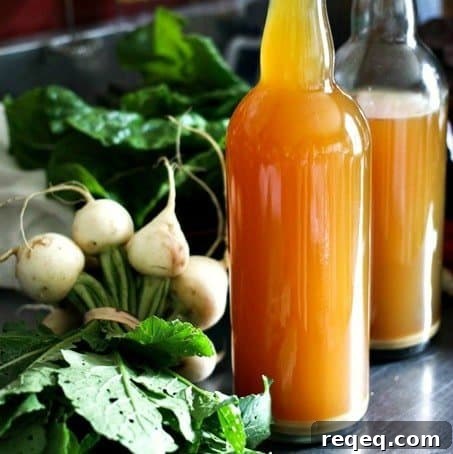
Fire Cider: call it a folk remedy, a health tonic, or a homeopathic-style elixir — one thing is certain: it’s delicious.
Raw apple cider vinegar is infused with ginger, garlic, onion, citrus, horseradish, turmeric, and hot pepper, then sweetened with raw honey to balance the sharp, spicy vinegar.
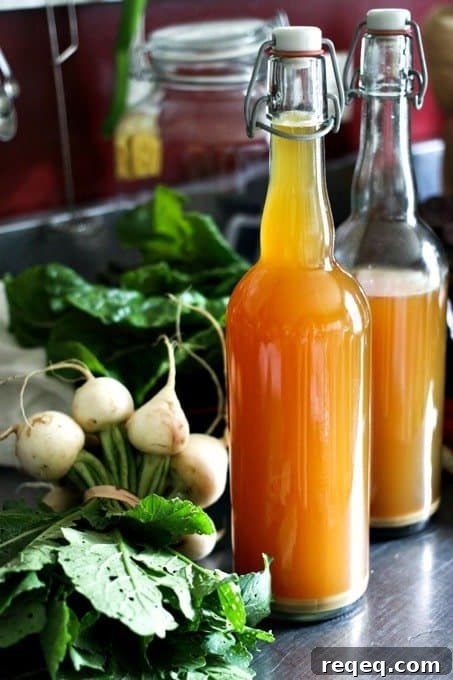
Fire Cider
This Fire Cider health tonic is one of the most requested recipes on the blog. Beyond the powerful ingredients, it simply tastes wonderful.
We mainly drink it because we enjoy it, but its potential health-supporting properties are a welcome bonus.
Important note: This is a traditional folk tonic, not a medical cure. I am sharing a tasty, nutrient-rich recipe and summarizing common claims about the ingredients. This post does not replace professional medical advice—use your own judgment and consult a healthcare provider if needed.
What is fire cider?
A quick story: after a food-filled trip to Portland, Maine, my friends and I sampled a bottle of Fire Cider in a shop. It felt like an instant reset after overeating — sharp, bright, and refreshing. One friend swore it eased her heartburn on the spot. Everyone bought a bottle. I came home eager to make my own.
The version I tasted convinced me to recreate this tangy tonic at home. It can act as a brisk morning shot, a salad booster, or an ingredient in a cocktail — versatile and flavorful.

Fire Cider controversy
Fire Cider has deep roots in herbal and folk traditions and is made by many herbalists. There was a dispute when a company attempted to trademark the name, but that controversy has since been resolved. You can now find many brands in stores, but making your own gives you a larger yield and control over ingredients.
Fire Cider benefits
Why do people value fire cider? The ingredients are rich in vitamins, minerals, and compounds with traditional uses for respiratory support, digestion, and immune health. It’s often used as a non-narcotic cough suppressant and throat soother.
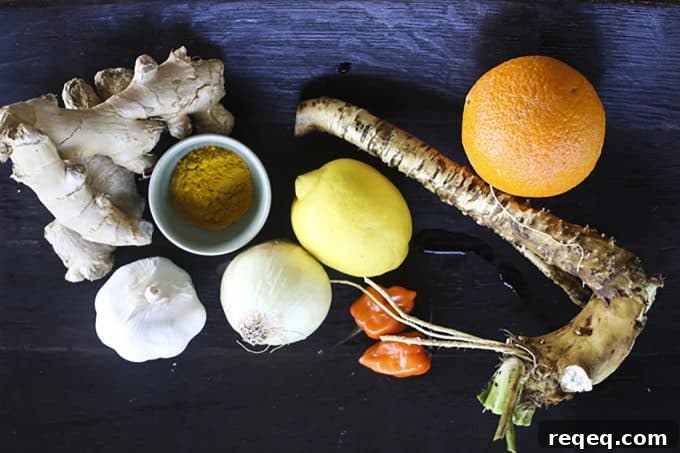
Key ingredients and commonly reported benefits:
- Horseradish: traditionally used for respiratory congestion and as an antimicrobial support.
- Ginger: valued for digestive comfort, anti-inflammatory effects, and relief from nausea.
- Onion: used for cardiovascular support and its anti-inflammatory properties.
- Garlic: widely cited for immune support and potential cardiovascular benefits.
- Hot peppers (such as habanero): can stimulate circulation, boost metabolism, and provide sinus relief.
More about the ingredients
Citrus fruits like oranges and lemons add vitamin C and bright flavor. Oranges support heart health and overall nutrition. Lemons are commonly used for digestion and to support hydration and circulation.
Turmeric is well known for its anti-inflammatory reputation and is often included for its active compound, curcumin, which has a broad range of studied effects. Raw apple cider vinegar contributes acids, trace minerals, and the familiar tang that preserves and extracts the flavors and compounds from the fresh ingredients.
Raw honey both balances flavor and can help soothe the throat; local raw honey is often recommended for those who want a gentle, natural approach to seasonal allergy support because it contains local pollens.
While many of these ingredients have a long history of traditional use and supportive research, fire cider should be seen as a complementary tonic rather than a medical treatment.

Fire Cider recipe
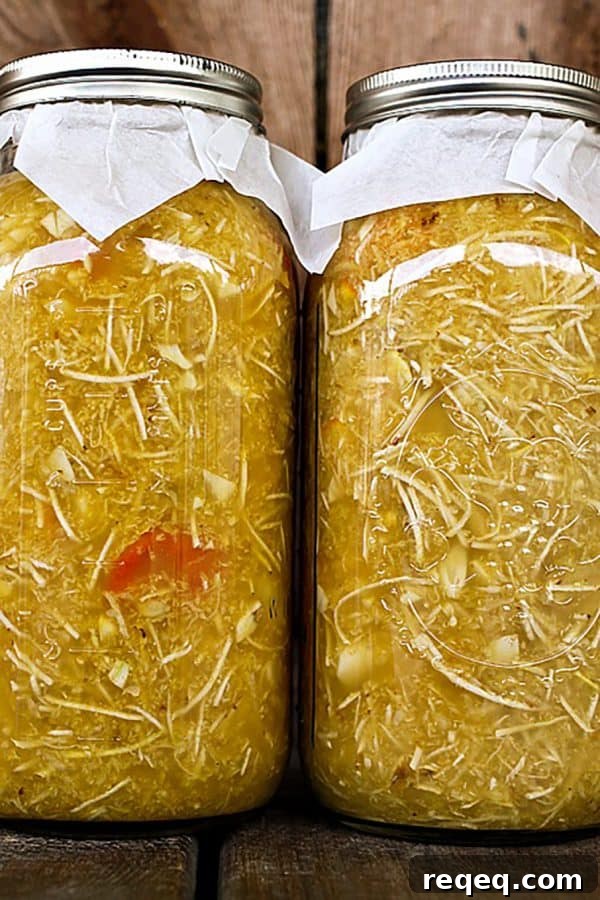
Making fire cider is straightforward: grate or chop the fresh roots and aromatics, pack them into a jar, cover with raw apple cider vinegar, and let the mixture infuse for several weeks. A few practical tips:
- Place a piece of parchment between the jar rim and the lid to prevent acidic vinegar from corroding metal lids; replace the parchment every week or so.
- Use raw, unfiltered apple cider vinegar with the “mother” for the best flavor and nutritional profile.
- Prefer organic produce when possible, and grate horseradish in a well-ventilated area — it releases powerful vapors that clear the sinuses.
- The honey is added to taste. Start small (about 1/4 cup) and adjust in tablespoons until you reach your preferred sweetness.
- After straining, store the finished fire cider in a sterilized bottle or jar in a cool, dark place; it keeps for up to a year. Shake well before each use.
What is fire cider good for?
Fire cider is excellent as a daily health shot, mixed into salad dressings, or drizzled over cooked greens. It adds bright, savory-sweet flavor while delivering concentrated botanical extracts.
It also works surprisingly well in cocktails — a small splash adds complexity and a spicy kick.
How much fire cider to take daily?
A common approach is one tablespoon each morning to support general wellbeing. If you feel under the weather, a slightly larger dose is often taken to boost immune support. Anecdotally, many people also value it as a hangover remedy.
Curious to try it? If you decide to make your own, enjoy experimenting with proportions and flavors to suit your taste.

Fire Cider: Health Tonic and Homeopathic Remedy
Rebecca Lindamood
Raw apple cider vinegar is infused with ginger, garlic, onion, citrus, horseradish, turmeric, and hot pepper, then mixed with raw honey to balance the tart spiciness.
Use it as a daily shot, a salad dressing ingredient, or a flavor boost — versatile and tasty.
Ingredients
- 1 large horseradish root scrubbed very well, about 7 inches long
- 1 large ginger root about 7 inches long
- 1 large onion root and stem end removed and peeled
- 1 large orange do NOT peel. Use the whole fruit.
- 1 lemon do NOT peel. Use the whole fruit.
- 16 cloves of garlic peeled
- 2-4 habanero peppers stems removed
- 1 tablespoon ground turmeric
- raw apple cider vinegar
- raw honey
Instructions
-
Grate the horseradish and ginger. Roughly chop the onion, orange, lemon, garlic, and habanero peppers. Pack everything into a half-gallon jar (or divide between two quart jars) and sprinkle the turmeric evenly over the top. Pour raw apple cider vinegar over the contents until submerged. Place parchment over the rim, screw on the lid, and let the jar sit in a cool, dark place for 4 weeks, shaking daily.
-
After 4 weeks, line a colander with cheesecloth or muslin and strain the mixture into a pot. Let it drain about 30 minutes, then twist and squeeze the cloth to extract remaining liquid. Stir in raw honey to taste, bottle the strained liquid in sterilized jars or bottles, and store in a cool, dark place for up to a year. Shake well before using.
Video
Nutrition
Nutritional information is an estimate; calculate values using the exact ingredients you use if precise nutrition data is required.
did you make this recipe?
Share your results and tag @foodiewithfam on Instagram so the author can see your version.

Originally published August 8, 2014. Updated August 2016 and January 2019.